
The movement toward off-the-shelf immunotherapy is solving the scalability issues that have long limited the reach of personalized autologous cellular treatments in oncology clinics. While chimeric antigen receptor (CAR) T-cell therapies have established a foundational success in treating hematologic malignancies, the logistical burden of manufacturing individual batches for every patient has created a bottleneck in clinical delivery. Natural Killer (NK) cells represent a biological pivot, offering a versatile platform that does not require the patient’s own immune cells as a starting material. These innate immune cells possess a sophisticated surveillance system that functions independently of the engineered receptors, providing a safety net against antigen loss. By integrating these cells into the broader therapeutic repertoire, clinicians are now exploring ways to provide immediate, high-potency treatments that sidestep the weeks-long waiting periods typically associated with earlier generations of cellular therapy, thus fundamentally altering the patient journey.
Advanced Genetic Engineering: Enhancing Precision in Cell Design
The transition from patient-specific manufacturing to standardized, off-the-shelf production has been accelerated by the adoption of induced pluripotent stem cell (iPSC) technology. Unlike traditional methods that rely on donor variability, iPSC lines provide a consistent, renewable source for generating billions of identical CAR NK cells. This industrialization of cellular therapy allows for the creation of master cell banks that can be cryopreserved and shipped globally, ensuring that treatment is available the moment a patient requires it. Furthermore, the use of umbilical cord blood as an alternative source has expanded the library of available cells, providing researchers with diverse biological profiles to optimize for different tumor types. This shift toward a more predictable manufacturing pipeline is not merely a logistical improvement; it represents a qualitative leap in product consistency, reducing the risk of batch failure and ensuring that every patient receives a therapy that meets the most stringent standards.
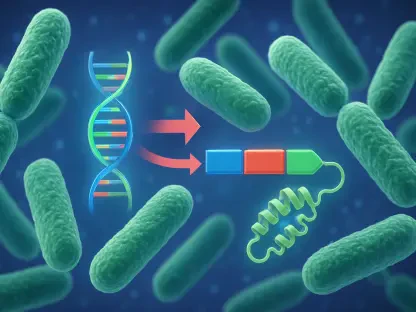
Beyond the logistics of production, advanced genetic engineering is being utilized to equip NK cells with a suite of functional enhancements designed to navigate the immunosuppressive microenvironment of modern tumors. One significant development involves the simultaneous expression of multiple receptors, known as logic-gated or multi-antigen targeting, which allows the cells to identify malignant targets more precisely while sparing healthy tissues. Additionally, researchers are employing CRISPR-mediated gene editing to make these cells “invisible” to the host’s immune system by knocking out human leukocyte antigens. This modification prevents the recipient’s body from rejecting the donor cells, thereby extending the therapeutic window and allowing the NK cells to remain active for longer periods. By combining these edits with the expression of high-affinity CD16 receptors, the cells can also synergize with existing monoclonal antibody treatments, creating a multi-faceted assault on the cancer that is difficult for the tumor to evade.
Safety and Persistence: Balancing Potency With Patient Wellbeing
The clinical safety profile of CAR NK cells remains one of the most compelling reasons for their rapid adoption across oncology centers. Unlike CAR T-cell therapies, which are often associated with severe cytokine release syndrome and neurotoxicity, engineered NK cells typically release a different profile of cytokines that significantly reduces the risk of systemic inflammatory responses. Data from recent clinical cohorts indicate that patients treated with these allogeneic products experience almost no instances of graft-versus-host disease, a major complication of donor-derived T-cell treatments. This inherent safety allows for the potential transition of cellular therapy from intensive care units to outpatient clinics, drastically lowering the overall cost of care and making it accessible to smaller community hospitals. This democratization of high-tier cancer care is a vital step in addressing the disparities that have historically limited the reach of advanced immunotherapies for the global population.
While safety is a hallmark of this modality, the limited biological persistence of NK cells presents a unique challenge that researchers are solving through innovative dosing strategies. Unlike T cells, which can persist as memory cells for years, NK cells naturally cycle out of the body within a matter of weeks. To bridge this “persistence gap,” the medical community has shifted away from the traditional “one-and-done” infusion model in favor of repeated dosing protocols. By delivering multiple infusions over a structured timeline, clinicians can maintain a steady therapeutic concentration of active cells within the patient’s system. This approach ensures that the tumor is subjected to sustained pressure, increasing the likelihood of achieving a deep and durable remission. Moreover, incorporating survival-enhancing cytokines, such as membrane-bound IL-15, directly into the engineered cells has shown promise in extending their functional lifespan without the need for high-dose systemic support from external sources.
Clinical Sequencing: New Frontiers in Myeloid Malignancies
As the use of cellular therapy expands, the strategic sequencing of these treatments has become a primary focus for oncologists managing complex, refractory cases. For patients who have already progressed after receiving CAR T-cell therapy, CAR NK cells offer a distinct biological alternative that can bypass the resistance mechanisms the tumor may have developed. Because NK cells utilize an array of innate receptors to identify stressed cells, they can target tumors that have downregulated the specific antigens targeted by earlier T-cell interventions. This complementary mechanism of action makes NK cells an ideal secondary line of defense, providing a second chance at remission for individuals with limited therapeutic options. The ability to switch from a T-cell-mediated attack to an NK-cell-mediated one introduces a level of flexibility in treatment planning that was previously unavailable, allowing clinicians to rotate various cellular weapons to stay ahead of the tumor’s ability to adapt.
The frontier of myeloid malignancies, specifically Acute Myeloid Leukemia and Myelodysplastic Syndromes, represents a significant area of growth for NK cell applications. While these diseases have historically been difficult to treat with T-cell therapies due to the lack of unique surface antigens, NK cells are naturally predisposed to recognize and kill myeloid blasts. Current clinical strategies are increasingly focused on the eradication of “minimal residual disease” following intensive chemotherapy, using CAR NK cells to target the small populations of malignant cells that typically lead to relapse. By integrating these infusions into the standard post-remission care plan, doctors aim to achieve a “molecular cure” that prevents the disease from returning. Additionally, the role of NK cells in potentiating the graft-versus-leukemia effect in bone marrow transplantation is being refined to enhance the anti-tumor response without increasing the risk of lethal complications during the recovery phase.
Standardized Care: Redefining the Implementation of Immunotherapy
The ongoing integration of CAR NK cells into the standard oncology toolkit is reshaping the logistical framework of modern cancer centers. By moving toward a model of decentralized, “just-in-time” therapy delivery, the industry is overcoming the geographical barriers that once restricted cellular treatments to elite academic institutions. This shift is supported by the development of automated, closed-loop manufacturing systems that ensure high-quality production across diverse settings. As these “off-the-shelf” products become more readily available, the focus of clinical work is shifting from the mechanics of cell production to the optimization of combination therapies. Integrating NK cells with traditional chemotherapies, monoclonal antibodies, and targeted inhibitors is creating a multi-dimensional treatment environment that maximizes patient outcomes. This holistic approach ensures that the technological advancements in cellular engineering are matched by a corresponding evolution in clinical medical practice.
The exploration of CAR NK cells was marked by a commitment to overcoming the inherent biological complexities of innate immunity to provide more accessible cancer care. Researchers successfully demonstrated that standardized manufacturing could replace the arduous process of autologous cell collection, effectively removing the primary barrier to widespread adoption. Clinical trials confirmed that the exceptional safety profile of these cells allowed for broader application across diverse patient populations without the risk of severe toxicity. Moving forward, the focus must transition toward refining the timing of repeated infusions and optimizing the synergy between engineered cells and the existing pharmacological landscape. It became clear that the integration of multi-antigen targeting and immune evasion techniques was essential for sustaining therapeutic efficacy in solid tumors and myeloid diseases. The industry established a blueprint for scalable immunotherapy that prioritizes speed and safety for every individual patient.