
The inaugural Singapore Engineering Biology Week in October 2026 will showcase the nation’s progress in research translation and the bioeconomy. This landmark event serves as the backdrop for the unveiling of the National Centre for Engineering Biology, a specialized facility hosted at the National
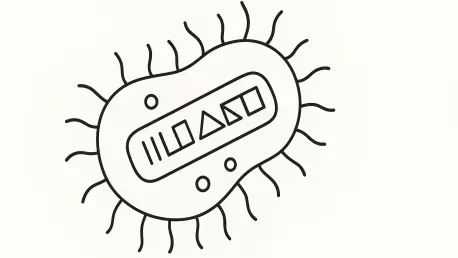
A significant discovery in algal synthetic biology reveals that promoter strength is not an intrinsic property but is heavily influenced by the specific terminator pairing used in the genetic construct. This breakthrough, emerging from intensive research into the marine microalga Nannochloropsis ,
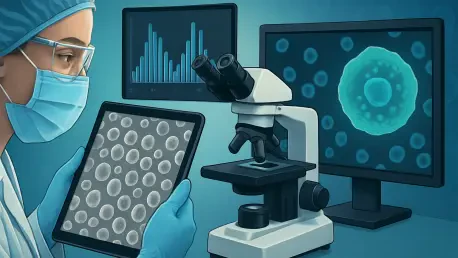
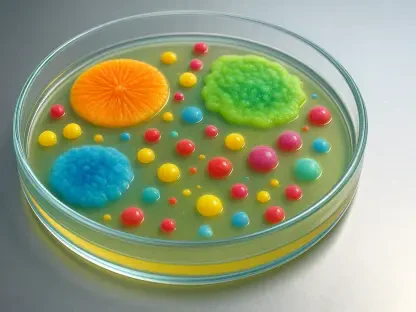
Digital Holographic Microscopy generates quantitative images by measuring how light slows down as it passes through the dense internal structures of a cell. This sophisticated approach to visualization has become a cornerstone of laboratory precision in 2026, marking a definitive departure from the
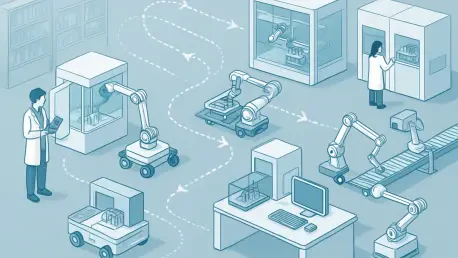
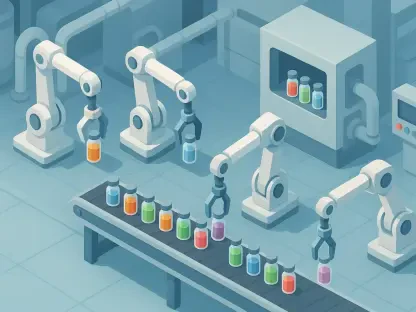
The proposed six-level autonomy framework provides a shared technical vocabulary for engineers and regulators to navigate the gradual handoff of tasks from humans to machines. This strategy, unveiled at the Roche Pharma Day, establishes a rigorous pathway for the integration of robotics and

Regulatory initiatives for standardized organoid modeling emphasize the need for robust methodologies that minimize the impact of the human factor on cell health. While the landscape of modern cell biology has been transformed by sophisticated genetic engineering tools, the fundamental day-to-day

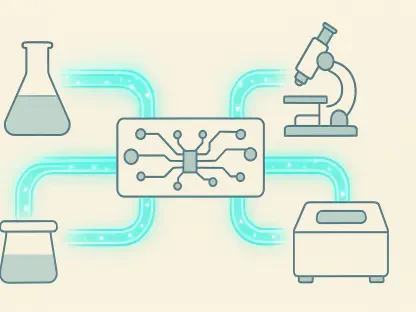
Facility-0 utilizes reverse-engineered software drivers and custom hardware adapters to bridge the functional gap between digital intelligence and physical laboratory equipment. This San Francisco-based initiative marks a definitive transition from generative models that merely process text to