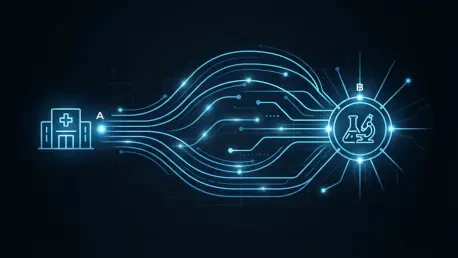

The security of sensitive medical records remains a paramount concern for patients and providers alike, especially as high-volume diagnostic services transition to centralized cloud architectures. Quest Diagnostics, a cornerstone of the American pathology landscape, recently disclosed a sophisticated cybersecurity event involving its Quanum Lab Services Manager platform, a vital digital hub used by healthcare professionals to manage orders and clinical results. This unauthorized intrusion into the digital infrastructure highlights the persistent risks associated with the high-speed transfer of Protected Health Information across nationwide networks. While the company operates as a leader in diagnostic information services, this incident serves as a stark reminder that even the most established health tech systems are susceptible to surgical strikes. The breach did not merely target data storage but focused on the very pipeline that facilitates communication between medical practices and laboratories.
Investigative Response and System Vulnerabilities
Following the identification of unusual activity within the Quanum environment, Quest Diagnostics mobilized a multi-tiered defense strategy involving internal forensic experts and federal investigators. The company adhered to strict transparency protocols by filing a formal notification with the U.S. Securities and Exchange Commission, an essential step for publicly traded entities in the current regulatory climate. This disclosure was accompanied by immediate containment measures designed to isolate compromised servers and prevent the lateral movement of unauthorized actors within the network. Forensic analysis suggests that the breach was exceptionally targeted, focusing on the software layer of the platform rather than attempting a broader disruption of physical laboratory operations or hardware. This surgical approach indicates a high level of sophistication, as the intruders sought to access the data flow without triggering the massive operational alarms that a total system blackout would typically initiate.
The vulnerability of the Quanum LSM platform underscores a significant challenge in securing modern healthcare portals that must remain accessible to thousands of external practitioners while maintaining a rigid security perimeter. Because this platform functions as an intermediary between various medical offices and the centralized laboratory, it creates a massive attack surface that requires constant monitoring of diverse access points. Security teams are currently auditing server logs to determine how the unauthorized third party bypassed existing authentication protocols, focusing on whether compromised credentials or a zero-day exploit in the platform code provided the initial entry point. This investigation is critical not only for remediation but also for understanding how similar hubs within the diagnostic sector might be fortified against future intrusions. By isolating the affected pathways, Quest aims to ensure that the integrity of its data transmission remains intact while the forensic team reconstructs the timeline.
Operational Stability and Future Remediation
Despite the severity of the digital intrusion, Quest Diagnostics maintained a high level of operational continuity, ensuring that diagnostic workflows and specimen processing remained unaffected throughout the response period. This resilience suggested a robust separation between the company’s information management systems and its core laboratory automation, allowing medical services to proceed without endangering patient care timelines. Routine laboratory testing continued nationwide, and healthcare providers were able to continue submitting samples, which prevented a secondary crisis of delayed medical results for critical diagnoses. This operational stability provided a necessary buffer for the company, as it allowed leadership to focus on cybersecurity remediation without the added pressure of a complete service shutdown. However, the disconnect between operational success and data vulnerability highlighted the complexity of managing a modern health tech giant where throughput did not equal security.
The resolution of this security event necessitated a comprehensive overhaul of authentication protocols, emphasizing the mandatory implementation of multi-factor verification across all partner logins and third-party access points. Security experts determined that diagnostic providers needed to transition toward decentralized data storage models to minimize the risk of a single point of failure within a centralized hub like the Quanum platform. Furthermore, the industry acknowledged that medical records were high-value targets because clinical histories could not be reset like traditional passwords or credit card numbers. Strengthening these digital pipelines was identified as a core component of patient safety rather than just a technical requirement. By conducting regular penetration testing and fostering a culture of cybersecurity awareness, the diagnostic sector sought to build more resilient networks. Finally, establishing a robust vendor risk management program was prioritized as a key next step.