
Mayo Clinic researchers have successfully developed an automation pipeline for pelvic radiation therapy that utilizes artificial intelligence to predict patient-specific side effects before treatment begins. This breakthrough serves as a centerpiece for the institution's massive presence at the

Specialized startup incubators and technology translation centers are being built to move breakthrough laboratory research into the commercial clinical market. This initiative represents a fundamental shift in the national healthcare strategy, which is currently transitioning from a reactive

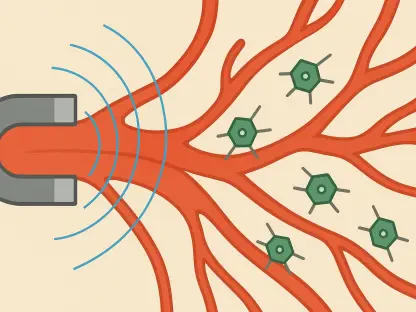
The integration of near-infrared light with gold nanoparticles allows clinicians to thermally destroy cancer cells from the inside out without harming surrounding tissue. This technological breakthrough addresses a critical need in oncology, as colon cancer currently maintains its position as one

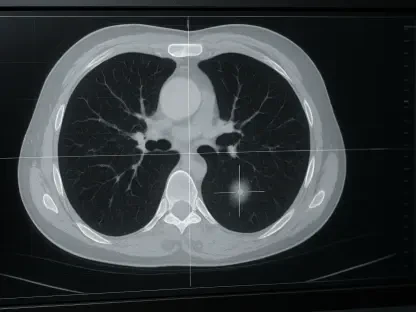
Baseline next-generation sequencing reveals that over 76 percent of lung cancer patients harbor additional genomic alterations that can shorten treatment durability. This statistic underscores the persistent challenge of managing advanced malignancies outside the sterile confines of traditional

Latent Profile Analysis has identified a specific demographic of cancer survivors who log over thirteen hours of stillness, posing a major challenge for long-term health. The transition from active cancer treatment to recovery is a pivotal moment in a patient's life, often referred to by clinicians

The shift by Cellectis to prioritize APOC3 and PCSK9 programs illustrates a broader movement toward genomic modulation for long-lasting treatment of chronic illnesses. This strategic pivot marks a departure from the industry’s early fixation on ultra-rare genetic disorders, signaling a newfound