
The staggering reality that nearly ninety percent of pharmaceutical candidates fail during clinical trials has forced a fundamental reckoning within the global research community. For many decades, the industry relied almost exclusively on animal models to predict the efficacy and safety of new compounds, yet these biological proxies frequently failed to mirror the intricate genetic and physiological nuances of the human body. This persistent disconnect resulted in astronomical research costs and the unfortunate abandonment of potentially beneficial treatments that simply did not translate across species lines. In response to these systemic inefficiencies, a paradigm shift toward “New Approach Methodologies,” or NAMs, has gained significant momentum. This movement is not merely a refinement of existing protocols but a wholesale transition toward human-centric science that leverages human cells, sophisticated tissues, and high-fidelity computational data. By centering the drug discovery process on human biology from the earliest stages, researchers aim to ensure that safety and effectiveness are measured through lenses directly relevant to the patients who will ultimately receive these life-saving interventions.
Technological Foundations: Bio-Engineering and Micro-Physiology
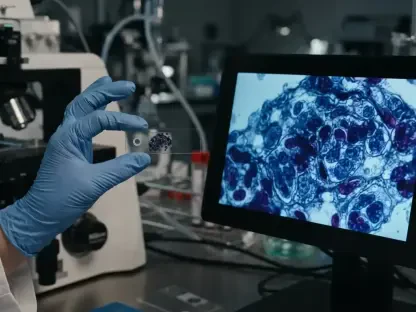
The current era of drug development is characterized by the convergence of advanced bio-engineering and stem cell technology, which together allow for the creation of precise human tissue models. Induced pluripotent stem cells have become a cornerstone of this movement, enabling scientists to generate specific human cell types, such as cardiomyocytes for heart studies or neurons for brain research, directly in the laboratory. These cells are no longer studied in isolation on flat plastic surfaces; instead, they are cultivated into complex, three-dimensional structures known as organoids. These miniature, self-organizing organ models provide a much more accurate representation of human anatomy and functional responses than traditional two-dimensional cultures. By mimicking the actual architecture of human organs, organoids allow researchers to observe how drugs penetrate tissues and interact with various cell types in a setting that closely resembles the internal environment of a living person.
Building upon the success of three-dimensional organoids, the implementation of “organ-on-a-chip” technology has introduced a new level of physical realism to laboratory testing. These microfluidic devices simulate the dynamic conditions of the human body, including the constant flow of blood, the mechanical stretching of lung tissue during breathing, and the complex filtration processes of the kidneys. By placing human tissues within these controlled, flowing environments, scientists can observe the real-time effects of drug compounds on organ function and systemic interaction. This technology is particularly valuable for studying how a drug administered for a specific condition might inadvertently affect other organ systems, such as the liver or the heart. The ability to monitor these interactions under physiologically relevant conditions provides a high-resolution preview of potential clinical outcomes, significantly reducing the likelihood of unexpected toxicities appearing during the later, more expensive stages of human testing.
Computational Synergy: Artificial Intelligence Meets Biological Reality
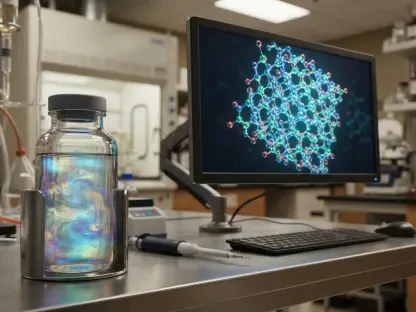
Artificial intelligence and advanced computational modeling have emerged as indispensable partners in the human-centric drug discovery pipeline, acting as powerful filters for the vast universe of chemical compounds. These digital tools possess the capability to analyze millions of molecular structures and predict their biological activity with a speed and accuracy that was previously unimaginable. By utilizing machine learning algorithms trained on massive datasets of human biological responses, researchers can identify the most promising drug candidates before any physical laboratory work even begins. This computational foresight allows for the early identification of potential side effects and the optimization of molecular structures to enhance their therapeutic potential. The role of AI in this context is not to replace biological testing but to streamline it, ensuring that laboratory resources are focused only on the most viable and safe options, thereby drastically cutting down the time required to move from a concept to a viable treatment.
The most profound advancements in this field arise from the seamless integration of digital predictions with empirical validation using human-derived tissues. While AI can simulate how a molecule might interact with a specific receptor, these virtual models must be verified through physical experiments to ensure their accuracy in the face of biological complexity. This synergy creates a continuous feedback loop where data from organ-on-a-chip experiments are fed back into AI models to refine their predictive capabilities. This iterative process ensures that the drug discovery pipeline remains both rapid and scientifically rigorous, providing a level of confidence in drug safety that animal models simply cannot match. By anchoring every stage of the process in human-specific data, the industry is moving toward a future where the transition from the laboratory to the clinic is a well-mapped path rather than a high-stakes gamble, ultimately leading to faster access to innovative therapies for patients worldwide.
Population Diversity: Beyond the Universal Patient Archetype
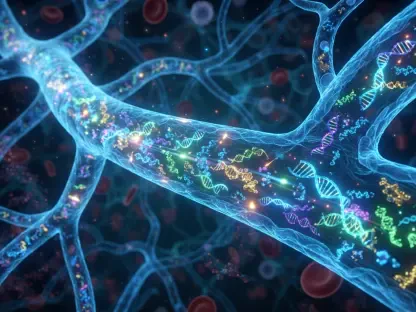
One of the most significant advantages of human-centric models is their inherent ability to account for the vast diversity within the human population, a factor that traditional testing often overlooked. Historically, drug development relied on a “one size fits all” approach that frequently failed to consider differences in age, sex, and genetic background, leading to treatments that were effective for some but ineffective or even harmful for others. New approach methodologies utilize cells from a wide range of donors, allowing researchers to build “cell villages” that represent various demographic groups. These villages function as a “clinical trial in a dish,” enabling scientists to observe how a diverse population might react to a specific drug candidate simultaneously. This capability is crucial for identifying genetic markers that may predispose certain individuals to adverse reactions, allowing for a more nuanced understanding of safety profiles before a drug ever enters a human volunteer’s bloodstream.
This focus on diversity is particularly vital for the development of personalized medicine, where treatments are tailored to the unique biological makeup of individual patients. By using patient-specific stem cells, researchers can create personalized organoid models to test how a specific individual will respond to a particular therapy. This level of precision is especially beneficial for treating complex diseases like cancer or rare genetic disorders, where the response to medication can vary wildly between different people. The ability to simulate these variations in the laboratory ensures that the resulting medicines are not just broadly effective but specifically optimized for the diverse needs of the global population. This movement away from a centralized, generic patient model toward a more inclusive, data-driven approach represents a major milestone in the quest for more equitable and effective healthcare solutions that serve all members of society regardless of their genetic heritage.
Regulatory Evolution: Standards and Validation for a New Era
The adoption of human-centric models is also proving to be a game-changer for identifying specific safety risks, such as cardiotoxicity, which is a leading cause of drug withdrawal from the market. Traditional animal studies often fail to detect subtle but dangerous changes in human heart rhythms because the underlying electrophysiology of a rodent heart differs significantly from that of a human. By using human-derived heart cells and organ-on-a-chip platforms, researchers can monitor these electrical signals with extreme precision, catching potential heart-related side effects in the very early stages of development. This proactive approach prevents dangerous compounds from progressing to clinical trials and ensures that safe, effective drugs are not prematurely discarded due to misleading results from non-human testing. This precision is essential for maintaining the integrity of the drug development process and protecting the health of participants in clinical studies.
Despite the clear scientific benefits, the global transition to human-centric models requires a synchronized effort from regulatory agencies and the scientific community to establish new standards of validation. Organizations like the Food and Drug Administration have begun to update their frameworks to recognize data from non-animal testing methods, but achieving widespread implementation requires transparent and standardized protocols. Scientists must work diligently to prove that these lab-grown models are consistent, reproducible, and capable of matching the complexity of adult human physiology. This involves creating large-scale, open-access databases where researchers can share validation data and best practices, fostering a collaborative environment that accelerates the acceptance of these new technologies. Ensuring that these models are as reliable as, or more reliable than, traditional methods is a critical step in convincing the global regulatory community to fully embrace the human-centric revolution in drug discovery.
Strategic Evolution: Education and Collaborative Infrastructure
The long-term success of human-centric drug discovery hinges on the development of a highly skilled, interdisciplinary workforce capable of navigating the intersection of biology, engineering, and data science. Future researchers must be proficient not only in traditional laboratory techniques but also in advanced computational modeling and the complex legal landscapes of international regulation. Academic institutions and private companies have begun to prioritize these multi-disciplinary skills, creating training programs that prepare the next generation of scientists to manage the sophisticated systems that define modern pharmacology. Furthermore, it is essential to ensure that these advanced technological tools are accessible to researchers globally, preventing a technological divide that could limit the reach of medical innovation. By fostering an environment of continuous learning and resource sharing, the scientific community can maximize the impact of these breakthroughs and ensure they benefit the widest possible range of patients.
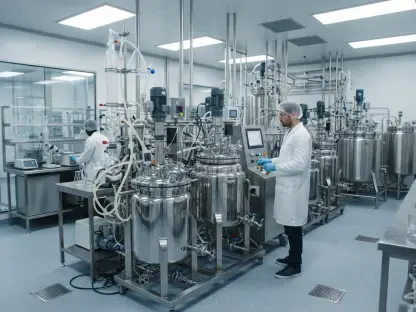
The transition toward human-centric models represented a seismic shift that redefined the boundaries of medical research and patient safety. Stakeholders recognized that the integration of diverse genetic data and micro-physiological systems offered a more reliable pathway than legacy methodologies. This evolution prompted significant investment in digital infrastructure and bio-manufacturing, ensuring that these high-tech platforms became accessible across various research sectors. Regulatory frameworks matured to accommodate these innovations, prioritizing evidence derived directly from human biological systems. As the industry moved forward, the focus remained on refining these models to capture even greater physiological complexity, such as the interaction between the immune system and various organ tissues. This commitment to human-relevant science paved the way for a more efficient, ethical, and successful era of drug discovery that transformed the landscape of modern medicine.