
Ivan Kairatov is a distinguished figure in the biopharmaceutical industry, possessing a wealth of expertise in research, development, and the integration of innovative technologies into clinical practice. With a career dedicated to understanding the complexities of drug development and the nuances of patient care, he offers a unique perspective on how traditional medical frameworks can evolve to meet modern healthcare demands. His deep knowledge of the healthcare landscape allows him to dissect the practical applications of new studies and translate data into actionable insights for the future of medicine.
This conversation explores the transformative potential of a whole health approach to cancer care, specifically focusing on a study conducted at University Hospitals Seidman Cancer Center. We examine the effectiveness of integrative therapies in reducing the physical and psychological toll of oncology treatments, the logistics of implementing a sustainable hybrid billing model, and the significant impact these interventions have on patient-reported outcomes. The discussion also touches upon the systemic barriers to care and how data-driven models can pave the way for a more accessible and comprehensive oncology experience.
Moderate-to-severe symptoms like pain and nausea create significant burdens during cancer treatment. How can we better reconcile the heavy physical toll of conventional oncology with the emerging evidence for integrative supportive therapies?
The reality of modern oncology is that while our curative treatments are more precise than ever, the side effects can still feel like an overwhelming weight on the patient’s daily existence. When we look at the data from the Connor Whole Health Integrative Oncology study, it becomes clear that bridging the gap between conventional medicine and evidence-based supportive therapies is not just a luxury, but a clinical necessity. During the 16-month evaluation of the program, 291 patients received 1,924 treatments, which shows a massive appetite for these interventions. These treatments, which include acupuncture and massage, aren’t just “feel-good” add-ons; they are essential tools that align with guidelines from the American Society of Clinical Oncology. By treating the whole person rather than just the tumor, we can address the crushing burden of symptoms like nausea, which saw a reduction of -3.61 in the study, providing a level of relief that standard pharmaceutical interventions alone might not achieve. This integrative approach allows patients to maintain a higher quality of life, which is often the most important metric for someone undergoing the rigors of chemotherapy or radiation.
What makes the hybrid billing model used in this clinic a potential game-changer for hospital systems struggling with the systemic barriers of reimbursement?
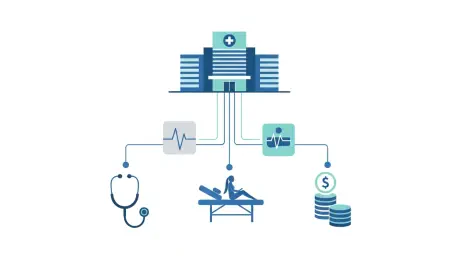
One of the most persistent hurdles in modern medicine is the financial disparity that prevents patients from accessing supportive care. Most integrative oncology programs in the United States are forced to rely heavily on out-of-pocket payments, which naturally creates a divide based on economic status. The model at UH Connor Whole Health is revolutionary because it prioritizes insurance-billable services, such as initial physician consults and massage therapy, to form the backbone of the program. To fill the gaps where insurance falls short, they introduced group acupuncture sessions at a very accessible self-pay rate of $36.85, which is significantly lower than national averages. This hybrid approach, supported by philanthropic efforts like those from the Elisabeth Severance Prentiss Foundation, demonstrates a scalable way to reduce financial barriers. By embedding these services directly into the oncology workflow, the system moves away from a fragmented “pay-to-play” model and toward a more equitable standard of care that can be replicated across larger hospital networks.
When we look at the clinical data showing specific reductions in symptoms, what does this suggest about the reliability of patient-reported outcomes in oncology?
The numbers from this study are quite striking and provide a concrete validation of the patient’s voice in the clinical setting. We saw meaningful reductions across a spectrum of issues: pain decreased by -2.08, stress by -2.70, and anxiety by -2.28. These aren’t just minor fluctuations; they represent a significant shift in how a patient perceives their illness and their recovery process. Even more impressive were the drops in depression at -2.54 and fatigue at -1.42, which are two of the most notoriously difficult symptoms to manage during cancer treatment. When patients report these levels of improvement, it tells us that integrative therapies like acupuncture and reiki are hitting biological and psychological targets that conventional care might miss. The fact that the clinic reached a peak of 57 encounters per week following the introduction of these services proves that when patients feel a tangible difference in their symptoms, they will seek out and stick with the treatment. It reinforces the idea that patient-reported outcomes are a rigorous and essential metric for evaluating the success of any oncology program.
The demand for these services peaked significantly throughout the study; how does this high level of engagement and satisfaction reflect the unmet needs of the current patient population?
The upward trend in demand is a clear signal that we have been underserving the holistic needs of cancer patients for a long time. With 87.1% of patients strongly agreeing that they were satisfied with the services and 85.5% stating they would refer others, the sentiment is overwhelmingly positive. This level of engagement suggests that patients are looking for more than just a prescription; they are looking for a comprehensive support system that acknowledges their stress and anxiety. Throughout the study, from June 2023 to September 2024, the weekly visit volume frequently exceeded 40, which shows that the program wasn’t just a novelty but a staple of their care. When we see that 82.3% of participants felt the services directly supported effective symptom management, it highlights a deep-seated need for autonomy and active participation in their own healing. Patients are tired of feeling like passive recipients of harsh treatments; they want to feel empowered, and these integrative therapies provide that emotional and physical grounding.
What is your forecast for the integration of whole health models into standard oncology care over the next decade?
I anticipate that the “whole health” approach will transition from a specialized niche to an expected standard in every major cancer center across the country. As we see more data-driven results like those from University Hospitals, the pressure on insurance providers to expand coverage for therapies like acupuncture will become undeniable. We will likely see a shift where integrative oncology is no longer seen as an “alternative” but as a primary pillar of supportive care, fully integrated into the electronic health records and daily rounds of oncology teams. The success of the CWHIO model proves that these programs can be both clinically effective and financially sustainable if structured correctly. In the coming years, I expect the focus to move toward refining these hybrid models to reach even more diverse populations, ensuring that a patient’s zip code or insurance plan doesn’t dictate their access to a pain-free or stress-reduced recovery. We are entering an era where the definition of “successful” cancer treatment will finally include the total well-being of the patient, not just the absence of disease.