
The quiet disappearance of radiation oncology facilities across the American heartland is carving out vast healthcare voids that fundamentally threaten the survival prospects of millions of rural residents. While aggregate statistics often suggest that the national healthcare infrastructure remains stable, a closer look reveals a volatile and fracturing reality where regional clinic closures are becoming more frequent. This shift has prompted a critical investigation into whether a patient’s geography has evolved into the primary determinant of their survival and their ability to access standard oncology care.
Examining the Disparities in Rural Cancer Treatment Access
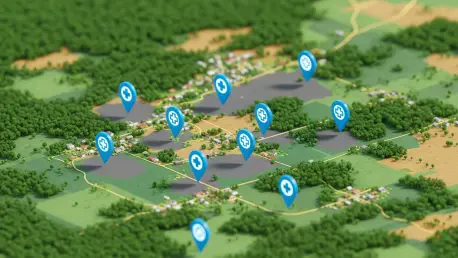
The concept of “radiation deserts” is a sobering reality that exposes structural vulnerabilities within the American healthcare system. Although the total number of treatment centers across the country might appear consistent on paper, this equilibrium masks a cycle of closures and openings that disproportionately affects the most isolated populations. Stable national figures often provide a false sense of security, ignoring the fact that when a local clinic shuts down, the nearest alternative might be several hours away.
As these clinics vanish, the divide between urban medical abundance and rural scarcity grows wider, raising questions about the ethics of a system that permits life-saving technology to retreat from those who lack the means to travel. The problem is not merely about a lack of buildings; it is about the erosion of a safety net that supports vulnerable citizens who cannot easily relocate or afford long-distance travel.
The Critical Role of Proximity in Lifesaving Oncology Care
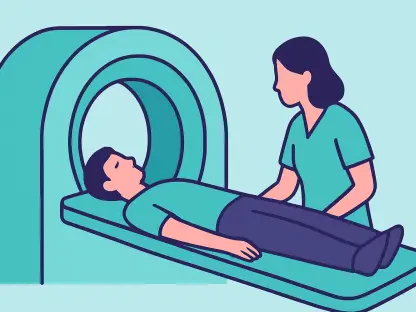
Radiation therapy is a cornerstone of modern cancer treatment, required by more than half of all patients at some point during their illness. Unlike other medical interventions that might require occasional visits, radiation typically demands consistent, daily attendance over a period of several weeks. This high-frequency schedule makes proximity a non-negotiable factor in the success of the treatment plan, as the logistical burden of commuting can quickly become insurmountable.
Ensuring that these services remain localized is an essential component of maintaining equitable health outcomes across the entire national landscape. When specialized medical infrastructure retreats, the burden of care is shifted onto the shoulders of the patients, who must navigate long distances while battling a debilitating disease. This logistical hurdle often dictates whether a patient receives the standard of care or is forced to settle for less effective alternatives.
Research Methodology, Findings, and Implications
Methodology
The research team employed a granular approach by analyzing over 3,000 treatment locations using data from the Centers for Medicare and Medicaid Services between 2026 and 2033. Rather than relying on data from large physician groups, which can obscure the status of individual offices, the researchers tracked specific practice sites to capture an accurate picture of service delivery at the community level. This method allowed for a detailed observation of the “dynamic” nature of clinic survival and closure.
Findings
The results indicated that rural practices and freestanding, independent clinics faced a significantly higher risk of closure compared to those affiliated with large hospital systems. In fact, independent clinics were over 50 percent more likely to close. By the end of the study period, nearly 68.5 percent of U.S. counties lacked any local radiation oncology services, a statistic that affects roughly 50 million people.
Furthermore, the data showed a strong correlation between the absence of clinics and counties characterized by high poverty rates and low insurance coverage. The resulting “deserts” are not random but are concentrated in areas where the need for stable healthcare is arguably the highest. This suggests that the clinics most likely to close are the ones serving the most economically disadvantaged populations.
Implications
The clinical consequences of these closures are profound, often resulting in treatment delays or the total abandonment of care. When forced to choose between a livelihood and a daily four-hour commute for care, many patients skip life-saving sessions. This logistical strain directly translates to lower survival rates and more advanced disease progression in rural regions compared to urban centers.
Societally, the loss of a single clinic can destabilize the health outcomes of an entire region. It creates a ripple effect where the absence of specialized care leads to a heavier burden on primary care physicians and emergency departments, leaving a vacuum that is difficult to fill once the infrastructure is gone. The disappearance of these clinics signifies a broader retreat of specialized medicine from the American rural landscape.
Reflection and Future Directions
Reflection
Shifting the analytical focus from aggregate national numbers to site-specific tracking revealed concerning trends that were previously overlooked. The discovery that new urban clinics mask rural losses corrected the narrative of healthcare stability. It highlighted the reality that lower household incomes and a lack of primary care support make it increasingly difficult to sustain specialized oncology services under the current economic framework.
Future Directions
Future efforts must explore new reimbursement models and financial support systems designed specifically to keep at-risk rural clinics operational. There is a clear opportunity to leverage health policy to incentivize the reopening of facilities in underserved counties. Research into how digital health and remote monitoring might supplement physical clinics could also provide a pathway toward ensuring that geography no longer dictates the quality of a patient’s cancer care.
Ensuring Equitable Healthcare Across the American Landscape
The investigation concluded that the steady disappearance of oncology services in rural America demanded immediate legislative attention and a shift in resource allocation. It was determined that bridging the gap between urban medical centers and rural patients was essential for improving national cancer survival rates. Health officials recognized that without targeted interventions, the divide would continue to widen, leaving millions without the standard care they deserved. This research provided the evidence needed to advocate for a more resilient and geographically balanced healthcare infrastructure that prioritized patient access over mere clinic counts.