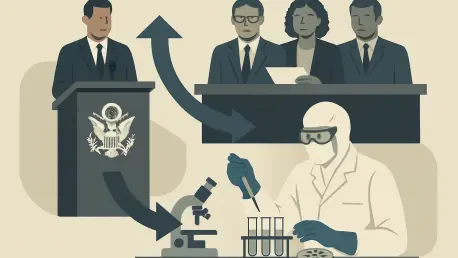
The federal landscape for biological research has undergone a seismic shift as the United States government implements a comprehensive ban on high-risk gain-of-function experiments. This pivotal policy represents a total overhaul of the life sciences sector, aiming to prioritize the safety of the

The landscape of national security has shifted dramatically as the United Kingdom realizes that biological hazards are no longer peripheral concerns but central pillars of sovereign defense. Since the implementation of the 2023 Biological Security Strategy, the nation has moved away from the

The sudden detection of high-pathogenicity avian influenza within a commercial poultry facility in South Australia has sent ripples through the nation’s financial markets, highlighting the precarious nature of agricultural stability. This biological event serves as a stark reminder that biosecurity

Public health departments across the United States are currently reporting a staggering surge in gastrointestinal illnesses linked to microscopic parasites that evade traditional sanitation protocols. These microscopic invaders, specifically Cyclospora cayetanensis and Cryptosporidium, have

The strategic decision to restore operational status to the specialized biosecurity facility in Far North Queensland represents a critical fortification against the rising tide of transboundary pests and diseases threatening the nation’s agricultural integrity. This move comes at a moment when

The landscape of modern virology is currently being reshaped by a fundamental move away from the traditional, laborious study of individual pathogens toward a sophisticated, systems-level understanding of viral behavior. For many years, the scientific community operated under a model that