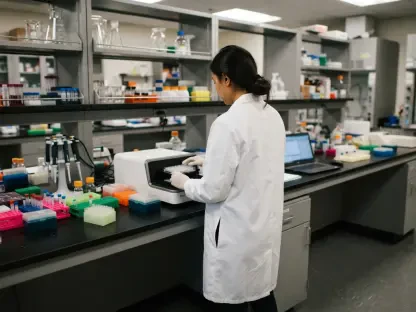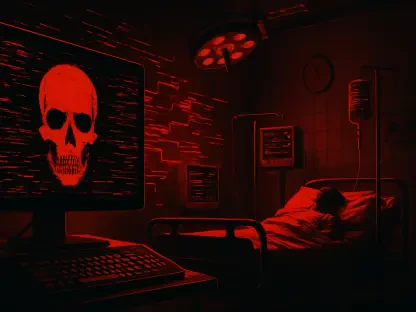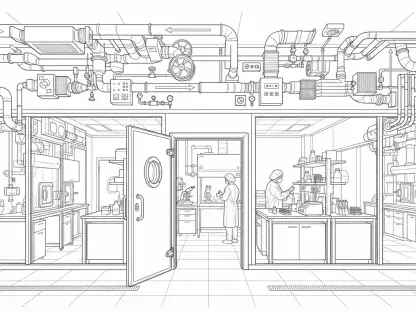
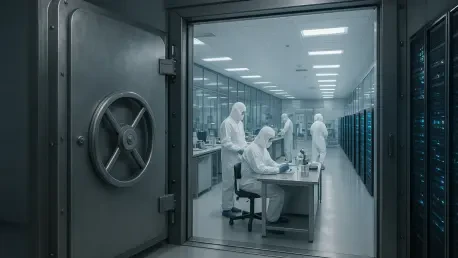
The proliferation of over one thousand high-containment laboratories in the United States since 9/11 has paradoxically increased the mathematical probability of a catastrophic accident. This startling statistic serves as the foundation for Annie Jacobsen’s investigation into the burgeoning threat
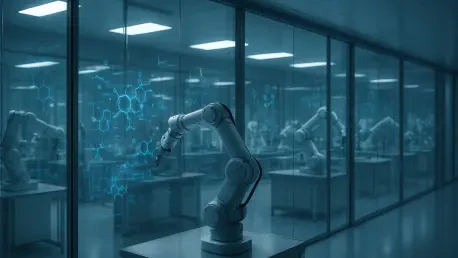
The RAND Corporation warns that current AI capabilities in applied biological sciences could soon enable the creation of catastrophic health threats. Rapid advancements in Large Language Models (LLMs) and Biological Design Tools (BDTs) have fundamentally altered the landscape of biosecurity. These

Laboratories specializing in virology and immunology must now evaluate if their current biosafety margins are sufficient to protect staff from aerosolized H5N1 exposure. The recent isolation of live, infectious H5N1 avian influenza from a commercial batch of fetal bovine serum (FBS) has sparked a
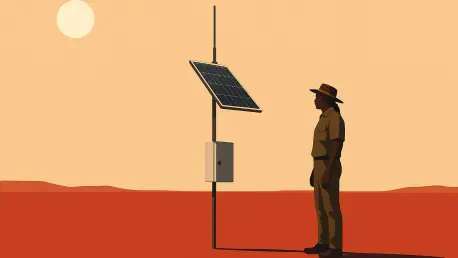
The rapid establishment of the Varroa destructor mite within the honeybee industry serves as a stark reminder of the near-impossible challenge of eradication once a pest bypasses initial border defenses. Australia currently stands at a critical juncture where traditional island isolation is no
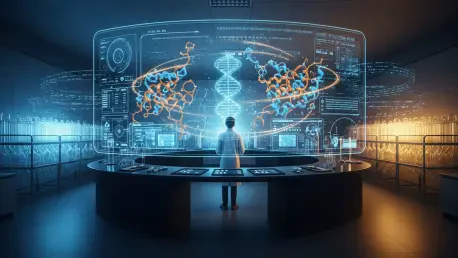
The rapid convergence of advanced computational power and molecular biology has ushered in a transformative era where genetic sequences are no longer just edited but are architected from a digital blank slate. This shift represents a departure from traditional recombinant DNA techniques, moving

The hidden complexity of the bacterial world is finally being unraveled by looking not just at what genes exist within a cell, but precisely where they are located in relation to one another. For decades, the primary method for identifying dangerous microbes involved a simple checklist: if a