
The rapid establishment of the Varroa destructor mite within the honeybee industry serves as a stark reminder of the near-impossible challenge of eradication once a pest bypasses initial border defenses. Australia currently stands at a critical juncture where traditional island isolation is no longer sufficient to protect the continent from sophisticated biological threats. This escalating crisis has evolved into a fundamental national security priority that threatens the long-term stability of the economy and the survival of irreplaceable ecosystems. The modern landscape of global trade and rapid movement necessitates a departure from reactive policies toward a comprehensive biosecurity transformation. By prioritizing pre-border detection and integrating advanced intelligence, the nation aims to establish a resilient shield against the influx of invasive species. This shift is essential to ensure that the natural heritage and economic foundations remain secure against the volatile pressures of the 2030s, reflecting a commitment to safeguarding the future of the entire country.
Economic and Ecological Fragility: The Cost of Incursion
The financial consequences of biosecurity failures are manifesting in staggering figures, with invasive species costing the national economy at least $25 billion annually through lost productivity and management expenses. This figure only represents the tip of the iceberg, as approximately $250 billion in national assets across agriculture, forestry, and fisheries remain highly vulnerable to new pathogens. When these risks are aggregated, they threaten nearly 12 percent of the nation’s total economic output, creating a precarious situation for rural communities and export markets. Protecting these sectors requires more than just border checks; it demands a robust understanding of how global supply chains can inadvertently transport high-risk organisms. If a major disease like foot-and-mouth were to penetrate the livestock sector, the immediate loss of international market access could cause a fiscal shock that would take decades to recover from, making prevention a primary economic and social priority.
Beyond the quantifiable economic data, the environmental degradation caused by invasive species presents a catastrophic challenge to biodiversity. Australia currently experiences the highest rate of mammal extinctions globally, a somber reality driven primarily by the presence of millions of feral cats and other introduced predators that decimate native wildlife. Established pests such as the cane toad have already demonstrated that once a biological agent integrates into the landscape, the cost and logistical complexity of removal become insurmountable for traditional wildlife management agencies. The integrity of the natural environment acts as a priceless asset that supports tourism and clean water, yet it remains under constant siege from exotic weeds and fungi. Protecting these unique biomes requires a dedicated effort to recognize that environmental biosecurity is just as vital as agricultural protection, ensuring that future generations can still experience the continent’s distinct flora and fauna.
A Strategic Roadmap: Building National Biosecurity Defense
A successful strategy for national defense against biological incursions must start with a focus on external surveillance and international cooperation. By identifying and mitigating threats in their countries of origin, authorities can effectively neutralize risks before they ever reach the shoreline. This proactive approach involves working closely with regional partners to monitor the prevalence of emerging pests and sharing intelligence regarding movement patterns in cargo and passenger traffic. The goal is to move the primary line of defense away from local ports and into the global logistics network, where data-driven insights can flag high-risk containers for intensive inspection. Such a transition requires significant investment in overseas partnerships and the deployment of specialist personnel who can work on the ground to provide early warning signals. This strategic shift not only reduces the pressure on domestic border agencies but also provides a necessary buffer against the frequency of global trade interactions.
The unification of fragmented government agencies into a single framework is essential for managing the complex interplay between human, animal, and plant health. This “One Health” approach recognizes that a pathogen affecting one sector can rapidly spill over into others, requiring a coordinated response that breaks down traditional departmental silos. By integrating data and resources into a centralized national team, officials can ensure that information flows freely between researchers, veterinary experts, and environmental scientists. This collaborative model eliminates the inefficiencies of redundant systems and allows for a more agile reaction to unexpected outbreaks. For example, a sudden rise in zoonotic diseases can be tracked more effectively when livestock health data is analyzed alongside human health trends. This level of interdisciplinary cooperation is no longer a luxury but a necessity for maintaining public health and agricultural integrity in an interconnected world where biological threats do not respect bureaucratic boundaries.
Technological Integration: Leading the Change through Innovation
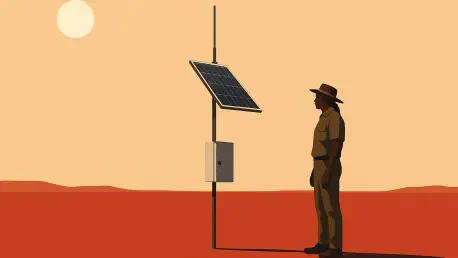
The integration of cutting-edge technology represents a significant leap forward in the fight against invasive species and foreign pathogens. Artificial intelligence and machine learning algorithms are now being utilized to process massive amounts of environmental data, allowing researchers to predict how pests might navigate through changing landscapes. Automated camera networks equipped with real-time recognition software can detect the presence of invasive animals in remote regions, providing instant alerts to management teams. Furthermore, advancements in genetic testing and environmental DNA analysis allow for the rapid identification of microscopic threats in soil or water samples at ports of entry. These high-tech tools provide a level of precision and speed that manual inspections simply cannot match, enabling a more surgical approach to eradication and containment. By leveraging these innovations, the nation can build a sophisticated digital border that operates continuously, identifying potential risks with greater accuracy.
Engaging the entire community through a “whole-of-society” approach is another critical pillar for building long-term biosecurity resilience across the continent. This strategy involves empowering private landowners, industry stakeholders, and Indigenous ranger groups to act as frontline observers in their local environments. Indigenous knowledge, in particular, offers invaluable insights into the health of the land and the early detection of changes that might indicate a new pest incursion. By providing these groups with the necessary training and reporting tools, the government can expand its surveillance capabilities far beyond what official agencies could achieve alone. This collaborative network ensures that biosecurity becomes a shared responsibility rather than a burden placed solely on the public sector. When businesses and private citizens are invested in the protection of their own backyards, the collective response becomes significantly more effective at identifying and reporting suspicious sightings.
The nation’s transition toward a modernized biosecurity framework proved that proactive investment was the only viable path to securing a stable future. Authorities successfully moved beyond the outdated model of passive border defense and established a sophisticated, technology-led system that anticipated threats before they reached domestic soil. The implementation of the “One Health” strategy broke down silos, ensuring that human, animal, and environmental welfare were treated as an interconnected whole. Indigenous rangers and local landowners played a pivotal role by providing on-the-ground intelligence that expanded the reach of formal surveillance networks into remote corners of the continent. Researchers deployed artificial intelligence and genetic sequencing to identify risks with unprecedented speed, effectively neutralizing potential outbreaks that once seemed uncontrollable. Ultimately, the shift toward a collaborative and science-driven approach demonstrated that safeguarding the economy and biodiversity required a relentless commitment to innovation and national unity.