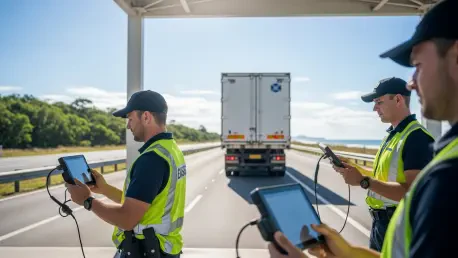

The strategic decision to restore operational status to the specialized biosecurity facility in Far North Queensland represents a critical fortification against the rising tide of transboundary pests and diseases threatening the nation’s agricultural integrity. This move comes at a moment when global supply chains and climate shifts are accelerating the movement of invasive species across the Torres Strait. By reestablishing this frontline defense, authorities aim to provide a comprehensive buffer that monitors both commercial and private transit through one of the most vulnerable ecological corridors in the Southern Hemisphere. The facility functions as a centralized hub for rapid response teams, integrating advanced diagnostic technologies that reduce the time required to identify potential outbreaks from days to mere hours. Protecting the multi-billion-dollar livestock and horticulture industries requires more than just passive surveillance; it demands a permanent, physical presence.
The Strategic Shift: Enhanced Surveillance and Technological Integration
The facility employs a sophisticated array of digital monitoring tools designed to create a “virtual net” across the northern peninsula. High-resolution satellite imagery combined with automated drone patrols allows biosecurity officers to track movements in remote areas that were previously inaccessible or difficult to monitor consistently. These drones are equipped with multispectral cameras capable of detecting physiological stress in vegetation, which often serves as an early indicator of invasive insect activity or fungal pathogens. Furthermore, the center serves as a primary data processing node for the automated sensors installed at major transit points along the developmental roads. These sensors utilize machine learning algorithms to scan vehicles and cargo for organic signatures that might indicate the presence of prohibited soil, plant matter, or animal products. By leveraging this real-time data stream, the center can deploy targeted inspection teams to intercept high-risk shipments before they penetrate the interior.
Beyond hardware, the facility facilitates a crucial partnership with Indigenous Ranger groups who possess unparalleled knowledge of the local landscape and seasonal changes. These traditional custodians participate in coordinated “bioscans,” where traditional tracking methods are augmented by handheld DNA sequencing devices. This synergy allows for the rapid identification of exotic species like the Asian honeybee or the red imported fire ant, which pose significant threats to local biodiversity and commercial apiaries. The center provides these teams with a permanent base of operations, offering specialized training in sample collection and digital reporting via secure mobile platforms. This collaborative framework ensures that the vast, rugged coastline is not left to technological solutions alone but is guarded by a human network deeply invested in the health of the country. Such an integrated approach ensures that even the most subtle changes in the ecosystem are flagged for investigation, creating a resilient defense.
Economic Fortification: Strengthening Resilience Through Early Detection
The economic stakes of this reopening are substantial, as the primary production sector in the region contributes billions of dollars to the state’s annual revenue. Foot and Mouth Disease remains a primary concern for the livestock industry, and a single undetected case could lead to a total shutdown of international export markets for Australian beef. The center’s laboratory capabilities allow for on-site testing of suspect samples, bypassing the logistical delays associated with transporting materials to metropolitan centers. This localized diagnostic power is complemented by rigorous inspection regimes for cattle trucks moving southward, ensuring that any localized infestation or infection is contained at the source. Horticulture also benefits from these protections, as the prevention of exotic fruit fly establishment saves farmers from the prohibitive costs of chemical treatments and quarantine restrictions. By maintaining a clean status, the region preserves its competitive advantage in global markets.
Strategic investments in regional biosecurity infrastructure successfully shifted the paradigm from reactive management to proactive prevention during the initial phases of the center’s operation. Stakeholders prioritized the integration of cross-border intelligence sharing and standardized reporting protocols to ensure that no gaps remained in the northern defense shield. Moving forward, the most effective strategy involved the continuous refinement of molecular diagnostic tools and the expansion of community-led monitoring programs. Governments and industry leaders found that the cost of maintaining permanent surveillance facilities was significantly lower than the projected losses from a major biological breach. To sustain this momentum, authorities focused on establishing permanent training pipelines for biosecurity professionals and investing in decentralized laboratory networks across all northern territories. These actions ensured that the facility remained a dynamic asset, capable of adapting to emerging threats.