
Clinical data from Phase I trials indicate that patients receiving XS411 experienced an average increase of five hours of daily functional time within six months of treatment. This significant therapeutic achievement represents a transformative shift for individuals living with Parkinson’s disease, a condition characterized by the progressive loss of dopamine-producing neurons. Unlike traditional pharmacological interventions that merely manage symptoms with diminishing returns over time, XS411 aims to address the underlying cellular deficiency. Developed by XellSmart Biopharmaceutical, this therapy utilizes induced pluripotent stem cells to create high-purity neural progenitor cells. These cells are specifically engineered to integrate into the brain’s existing circuitry, effectively replacing the biological machinery that has failed. As clinical validation continues through 2026 and toward 2028, the focus remains on ensuring that this regenerative approach provides a durable alternative to current medications.
Mechanism of Action: Restoring Dopaminergic Function
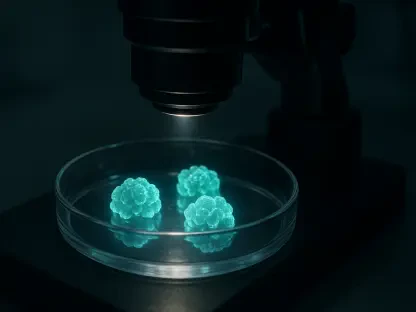
The core innovation of XS411 lies in its use of allogeneic, induced pluripotent stem cell-derived dopaminergic neural progenitor cells. By moving away from patient-specific autologous treatments, XellSmart has developed an “off-the-shelf” solution that bypasses the complex and costly manufacturing processes typically associated with personalized medicine. This advancement is made possible through a sophisticated differentiation protocol that ensures the resulting cells are predisposed to become mature dopamine-producing neurons once implanted. Furthermore, the therapy is designed to be HLA-independent, which means it does not require a genetic match between the donor material and the recipient. This independence is a critical factor for scalability, allowing for a standardized treatment protocol that can be deployed across a diverse global population. By simplifying the logistical chain, the therapy becomes more accessible to healthcare systems that are managing the rising prevalence of neurodegenerative disorders.
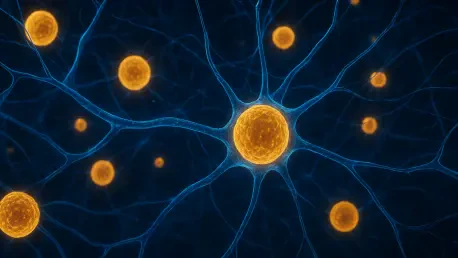
Implementation of the therapy involves a precise surgical procedure where the progenitor cells are transplanted directly into the putamen, the region of the brain most affected by the depletion of dopamine. Once situated, these cells are expected to mature and form new synaptic connections, effectively re-establishing the neural pathways necessary for smooth motor control. Objective verification of this biological integration has been achieved using advanced imaging techniques. Specifically, 18F-DOPA PET scans have demonstrated a marked increase in tracer uptake at the site of transplantation, which serves as a definitive biomarker for the survival and functional activity of the grafted cells. This evidence suggests that the therapy is not merely a temporary fix but a structural intervention that restores the biological environment of the brain. As the grafted cells continue to thrive, they reduce the patient’s reliance on synthetic supplements, minimizing side effects like dyskinesia.
Clinical Milestones: From Phase I to Fast Track Designation
Recent clinical evaluations have solidified the safety and efficacy profile of XS411, with Phase I trials involving nine participants reporting no serious adverse events. This safety record is bolstered by a standardized immunosuppression regimen that prevents the body from rejecting the foreign neural tissue. Building on this success, the program transitioned into a multicenter Phase II trial in China, which successfully completed the enrollment of 30 participants by July 2026. This specific study utilizes a PROBE framework, which stands for a prospective randomized open-label blinded endpoint design. This methodology is particularly effective for evaluating surgical interventions where a double-blind setup might be impractical. By utilizing independent and blinded evaluators to assess clinical outcomes, the trial maintains a high level of scientific rigor and minimizes observer bias. This structural approach provides the high-quality data necessary for regulatory submissions and upcoming Phase III trials.
International regulatory bodies recognized the potential of this therapy as the FDA granted XS411 Fast Track Designation in late July 2026, following the initial approval of its Investigational New Drug application earlier in the year. This designation accelerated the development timeline, allowing for more frequent interactions with regulatory experts and a streamlined review process intended for therapies that address significant unmet medical needs. The global landscape for regenerative medicine shifted toward broader acceptance as similar iPSC-derived treatments began receiving conditional approvals in other major markets. Researchers and clinicians focused on finalizing the Phase II data readouts to confirm the consistency of the therapeutic effect across larger and more diverse patient cohorts. Future considerations moved toward optimizing the large-scale manufacturing of these high-purity cells to meet anticipated demand as the therapy progressed toward commercialization.