
Recent clinical data suggests that the precision of AKIR001 in targeting CD44v6 could revolutionize treatment protocols for patients with advanced thyroid malignancies. This development arrives at a critical juncture for oncology, where traditional therapies often fall short against the sheer

By mimicking the bioelectric environment of living bone, this new composite material encourages the body to repair itself using internal biomechanical forces. Orthopedic surgeons have long encountered severe difficulties when treating large segmental bone defects, which are substantial gaps in

Nanoscale carriers act as protective transportation for biologics and vaccines, ensuring the therapeutic message reaches its destination without being degraded by the body's immune response. This fundamental breakthrough represents a monumental shift in how the University of Waterloo’s Faculty of

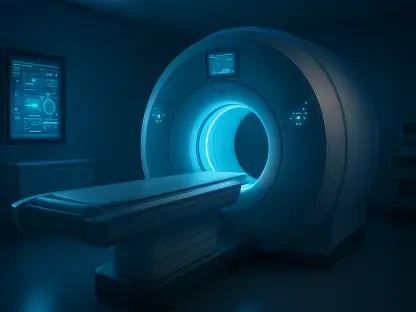
The move toward a single quantitative pipeline aims to synchronize data acquisition, AI reconstruction, and human analysis into a calibrated system. Medical diagnostics is witnessing a fundamental shift as magnetic resonance imaging transcends its traditional limits, finally resolving the
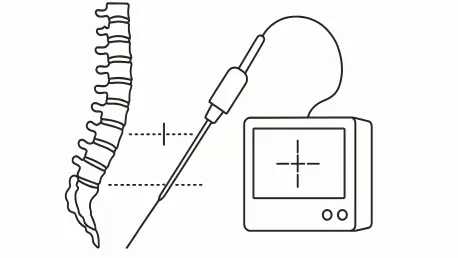
Pedicle screw placement requires sub-millimeter accuracy because a deviation of only two millimeters can cause permanent nerve damage or severe vascular injury. In the modern surgical suite, the challenge is not just the operation itself but balancing the necessity of precise visualization with the

Hyaluronic acid-decorated carriers target the CD44 receptor, which is frequently overexpressed in bladder tumors, to improve the specificity of localized therapy. The staggering incidence of urologic malignancies, which currently accounts for more than 2.6 million new cases and 700,000 deaths