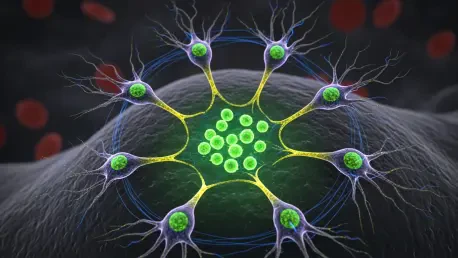

The scientific pursuit of restoring motor and sensory function to patients suffering from traumatic spinal cord injuries has recently transitioned from a purely exploratory endeavor into a rigorous exercise in clinical trial strategy and logistical precision. While the biological potential of induced pluripotent stem cell-derived neural progenitor cells remains the cornerstone of regenerative medicine, the success of these interventions now depends almost entirely on the operational reality of trial execution. Recent Phase 1 trials have underscored that even the most sophisticated cellular products can fail if the surrounding clinical architecture is not meticulously aligned with the volatile biological environment of a fresh injury. Developers of these therapies must navigate a labyrinth of narrow biological windows, complex manufacturing timelines, and stringent regulatory demands that prioritize mechanistic clarity over broad observational data. The shift toward a strategy-first approach reflects a growing realization that treating the cervical spinal cord requires more than just high-quality cells; it requires a perfectly synchronized deployment system that addresses the unique pathophysiology of the injury site before the window of opportunity closes permanently.
The Biological Imperative: Managing the Subacute Phase Window
Success in regenerative neurology hinges on a brief and unforgiving temporal window known as the subacute phase, which typically occurs between the second and fourteenth day following a traumatic event. During this specific period, the body initiates an inflammatory cascade that, while destructive in some respects, also creates a temporary environment characterized by a permeable blood-brain barrier and the active clearance of cellular debris. This unique biological state is the only time when the spinal cord is truly receptive to the integration of transplanted neural progenitor cells and the various axonal growth signals they emit. If a therapeutic intervention is delivered within this narrow timeframe, the transplanted cells have a significantly higher probability of engrafting and forming the functional relays necessary to bridge damaged neural pathways. The biological reality is that this window represents a Goldilocks zone where the acute trauma has sufficiently settled but the permanent secondary damage has not yet fully calcified the internal structures of the spinal column.
However, the environment becomes increasingly hostile to cellular therapy as the body moves past this fourteen-day threshold and begins the transition into the chronic phase of injury. Reactive astrocytes start to change their behavior, shifting from an edematous state to a permanent structural role by forming a dense and hardened glial scar at the site of the lesion. This scar serves as a formidable physical and chemical barrier that prevents any new axonal growth from penetrating the damaged tissue, effectively locking the spinal cord into its impaired state. For trial sponsors, this means that hitting the subacute window is not merely a clinical preference but a biological necessity that dictates the entire protocol design. If a patient is enrolled or treated even a few days too late, the cellular product is likely to be wasted as it encounters a biological wall that no amount of regenerative signaling can currently overcome. Consequently, trial protocols must be designed with the speed of an emergency response system to ensure that every candidate is screened, processed, and treated before the glial scar begins its irreversible formation.
Manufacturing Excellence: Navigating Logistics and Regulatory Hurdles
The necessity of treating patients within a two-week window creates immense pressure on the manufacturing and supply chain logistics that support modern cell therapy. Because the process of differentiating induced pluripotent stem cells into neural progenitor cells is a lengthy and delicate biological procedure, it is impossible to manufacture a bespoke product for an individual patient once an injury has occurred. Instead, sponsors have been forced to master allogeneic banking, where massive quantities of standardized cells are pre-manufactured and cryopreserved in high-tech facilities to be ready for immediate dispatch. This shift toward off-the-shelf readiness requires a level of logistical synchronization that rivals the most advanced aerospace industries, as the product must move from deep-freeze storage to the surgical theater without losing its viability or potency. The logistics chain must also account for the geographical distribution of specialized trauma centers, ensuring that the time between a patient’s arrival at the hospital and the delivery of the cells is minimized to protect the integrity of the subacute window.
Regulatory agencies like the Food and Drug Administration have responded to these complexities by maintaining a high evidentiary bar that focuses on a deep, mechanistic understanding of the therapeutic product. Beyond general safety metrics, regulators now demand that sponsors demonstrate an ability to detect and mitigate long-term risks such as the formation of a syrinx at the injection site or the potential for late-onset tumor formation from residual undifferentiated cells. Safety data is considered meaningful only if the sponsor can prove that the therapy was delivered within the intended biological timeframe, as deviations from the protocol can muddy the safety profile and obscure the true risks associated with the cells themselves. To meet these requirements, companies are increasingly investing in sophisticated monitoring tools and rigorous quality control measures that track the cellular product from the moment of cryopreservation to the final injection. This regulatory environment rewards those who can provide a transparent and data-driven account of how their product interacts with the human central nervous system under the strict pressures of a live clinical trial.
Data Architecture: Leveraging Long-Term Evidence for Efficacy Signaling
In the landscape of spinal cord injury research, long-term follow-up has evolved from a simple safety monitor into a vital tool for characterization and efficacy signaling. By committing to track patients for periods of up to five years, researchers are now able to differentiate between the natural, spontaneous recovery that often occurs in the first months after an injury and the sustained improvements caused by cell therapy. This long-term temporal lens allows sponsors to build a robust data architecture that captures the durability of functional gains, providing the evidence needed to negotiate complex clinical endpoints with payers and regulators. Without this multi-year perspective, it would be nearly impossible to prove that a patient’s regained hand function or sensory perception was a direct result of the transplanted cells rather than a statistical outlier in the body’s inherent healing process. The focus has therefore shifted toward capturing durable shifts that prove the therapy has fundamentally altered the patient’s neurological trajectory over a significant period.
A successful trial must go beyond general observations and capture quantifiable, categorical shifts in the American Spinal Injury Association Impairment Scale, or the AIS. Moving a patient from a state of complete functional loss to one of sensory or motor preservation represents a massive biological event that serves as a powerful signal of therapeutic efficacy. These categorical changes are the primary metrics used to demonstrate that a therapy offers a meaningful benefit over the standard of care, which often results in very limited spontaneous improvement for severe cervical injuries. By utilizing advanced neuroimaging and precise electrophysiological measurements, sponsors can document the exact moment when the therapy begins to influence the neural circuitry of the spinal cord. This level of data granularity is essential for proving that a cellular product is not just safe, but active and effective in a way that translates into tangible quality-of-life improvements for the patient. The ability to show a sustained upward trend in function over several years remains the most persuasive argument for the widespread adoption of these therapies.
Modern Infrastructure: Designing Registrational Phase 1 Trials
A significant trend has emerged in the industry toward the use of registrational Phase 1 trials, which move away from traditional safety-only designs toward integrated, high-stakes studies. These modern trials are designed to combine manufacturing consistency, precise biological timing, and long-term efficacy signaling into a single, cohesive regulatory conversation from the very beginning. By treating the trial design as a direct extension of the biological product, sponsors are able to demonstrate a cohesive logic that connects the laboratory science to the clinical outcome. This approach signals a departure from the fragmented trial structures of the past and rewards companies that can manage the four load-bearing elements of trial architecture: mechanistically specific timing, integrated supply chains, advanced imaging, and powered signal detection. This shift is essential for bridging the gap between innovative laboratory breakthroughs and the approved treatments that patients desperately need to regain their independence and mobility after a catastrophic injury.
The industry finalized its commitment to these integrated protocols by adopting a unified approach to manufacturing and neuroimaging, which ensured that subsequent trials avoided the pitfalls of earlier, less coordinated attempts. Leaders in the field established new benchmarks for allogeneic cell banking and decentralized logistics, allowing for a more rapid response to traumatic injuries across diverse geographical regions. These strategic adjustments provided a clear roadmap for sponsors to follow, emphasizing the importance of aligning clinical operations with the specific cellular requirements of the spinal cord. By prioritizing a mechanistic understanding of how cells integrated into the host tissue, researchers moved closer to achieving predictable and reproducible functional outcomes. This evolution in trial strategy successfully transformed the way neurological interventions were developed, setting a higher standard for the entire field of regenerative medicine. The focus on operational excellence ultimately proved to be the deciding factor in whether a therapy could transition from a promising experimental phase to a viable clinical solution for the millions of individuals living with paralysis.