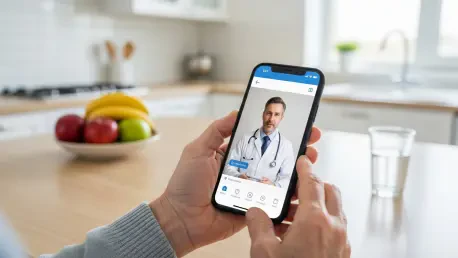

Navigating the complexities of modern healthcare management often presents a significant challenge for the senior population, particularly for those facing mobility issues or living in remote rural areas with limited access to specialists. As medical technology continues to advance, a profound shift in how Medicare facilitates these interactions has occurred, moving away from the traditional office-based model toward a more flexible, home-centric approach. This transition represents more than just a convenience; it is a fundamental restructuring of patient-provider dynamics that prioritizes safety and continuous monitoring over intermittent, high-stress travel to clinical facilities. Recent data indicates that the utilization of virtual care platforms has stabilized at rates far higher than historical norms, suggesting that both physicians and patients have embraced this medium as a permanent fixture of modern medicine. By removing the physical barriers to entry, Medicare ensures that preventative care and routine check-ups are no longer skipped.
Evolution of Telehealth and Remote Monitoring
Bridging the Distance with Virtual Consultations
Medicare Part B currently provides extensive coverage for a variety of telehealth services that allow seniors to consult with their healthcare providers using real-time audio and video communication. These services encompass not only routine office visits but also mental health counseling, specialized consultations for chronic conditions, and even emergency evaluations that do not require physical intervention. The reimbursement rates for these virtual appointments have been adjusted to match those of in-person visits, incentivizing practitioners to offer digital alternatives without facing financial penalties. Furthermore, the previous geographical restrictions that limited telehealth primarily to rural residents have been permanently lifted, allowing beneficiaries in any location—including major urban centers—to connect with their doctors from the safety and comfort of their own living rooms. This policy change ensures that specialized expertise is accessible regardless of where a patient resides, fostering a more equitable healthcare environment.
Monitoring Health Through Connected Technology
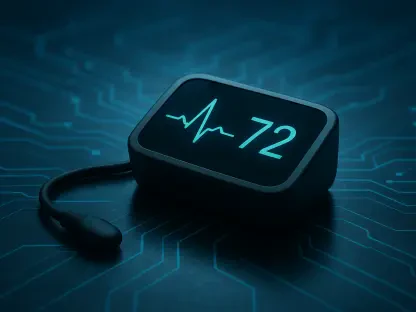
Beyond simple video calls, the integration of Remote Patient Monitoring (RPM) tools has revolutionized how Medicare-eligible individuals manage chronic diseases like hypertension, diabetes, and congestive heart failure. These technological implementations involve the use of connected devices, such as wireless blood pressure monitors, digital scales, and continuous glucose monitors, which transmit vital health data directly to a clinical team for real-time analysis. When a patient’s readings deviate from their established baseline, the software alerts the provider, often triggering a proactive intervention before a minor health issue escalates into a crisis requiring hospitalization. Medicare’s inclusion of these monitoring services under its coverage umbrella reflects an understanding that health happens between doctor visits, not just during them. This continuous flow of information allows for highly personalized treatment adjustments, as physicians can see how a patient reacts to new medications.
Physical Care Beyond the Digital Screen
Integrating Physical Home Visits with Modern Tools
While digital solutions address many needs, Medicare has also expanded its support for home-based primary care models that bring the doctor’s office directly to the patient’s front door for physical examinations and diagnostic testing. Mobile medical units and home-visiting physicians are becoming more common as the program recognizes the cost-effectiveness of treating complex, homebound patients in their own residences. These visits are often supplemented by portable diagnostic tools, such as handheld ultrasound machines and mobile laboratory kits, which allow for immediate results without requiring a trip to an external imaging center. This hybrid model combines the intimacy of a traditional house call with the sophistication of modern clinical technology, ensuring that seniors with complex physical needs receive the highest standard of care without the trauma of frequent transportation. Consequently, the reliance on emergency room visits for non-emergent issues has declined, as patients can now receive comprehensive diagnostic workups.
Steps Toward Proactive Healthcare Management
To maximize the benefits of these expanded Medicare options, beneficiaries and their caregivers took proactive steps to verify that their specific healthcare providers were enrolled in the relevant telehealth and home-visit programs. Families coordinated with primary care physicians to determine which connected health devices were most appropriate for their specific medical profiles, ensuring that the necessary technical infrastructure was in place at home. They also reviewed the latest Medicare and You handbook revisions to understand the nuanced differences between “check-in” calls and full-scale virtual visits. As the healthcare landscape evolved, the focus shifted toward a collaborative model where patients used these tools to maintain a continuous dialogue with their medical teams. These actions paved the way for a more resilient and responsive healthcare system that prioritized the well-being of the elderly. Moving forward, the emphasis remained on the seamless integration of these technologies into daily life, making healthcare a proactive part of aging.