
The traditional image of healthcare as a paper-heavy, bureaucratic machine has been dismantled by a wave of digital tools that prioritize efficiency and patient outcomes above all else. As providers navigate an environment defined by high patient expectations and tightening regulatory requirements, custom software has transitioned from a luxury to a fundamental necessity for survival. This shift involves moving away from rigid, one-size-fits-all platforms toward dynamic digital ecosystems that adapt to specific clinical workflows and patient needs. The primary drivers behind this evolution are the pursuit of extreme diagnostic precision, the absolute protection of sensitive health data, and the creation of a seamless care continuum that bridges the gap between home and hospital. By focusing on these priorities, medical organizations are managing to reduce operational bottlenecks while simultaneously enhancing the quality of direct patient interactions, ensuring that technology serves as a bridge rather than a barrier to medicine.
Intelligence Integration: Streamlining Clinical and Administrative Workflows
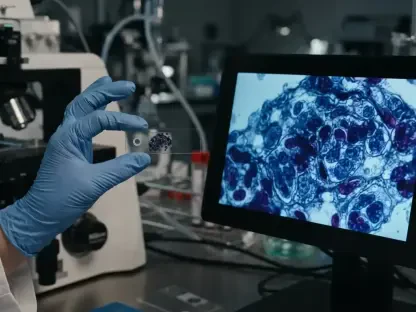
Modern clinical environments now leverage artificial intelligence as a primary partner in the diagnostic process, moving beyond simple automation to sophisticated predictive modeling. By utilizing machine learning algorithms, custom software platforms can scan thousands of high-resolution medical images or pathology slides in seconds, flagging anomalies that might escape the human eye during a long shift. This technological intervention does not replace the physician but rather acts as a highly specialized filter that organizes information according to clinical urgency. Furthermore, AI has proven indispensable in tackling the administrative burden that has historically plagued the sector. Natural language processing tools now automatically transcribe patient encounters and populate electronic health records with structured data, effectively eliminating hours of manual typing. This allows nurses and doctors to redirect their attention toward complex problem-solving and empathetic care, fostering a more sustainable work environment.
The transition to cloud-native infrastructure has fundamentally altered how medical data is stored, shared, and protected across the global healthcare landscape. Traditional on-site servers, once considered the gold standard for security, are being replaced by secure cloud environments that offer superior redundancy and real-time synchronization. These custom cloud solutions allow a specialist in a major urban medical center to view the exact same diagnostic reports as a rural primary care physician without the delays associated with physical file transfers. Beyond accessibility, the cloud provides a critical safety net through automated, geographically distributed backups that protect against local hardware failures or environmental disasters. This architecture also supports the rapid deployment of updates, ensuring that every facility within a network has immediate access to the latest security patches and clinical tools. As a result, the healthcare system has become more resilient, with information flowing securely between stakeholders.
Continuous Care: Redefining Patient Monitoring through Connectivity
The expansion of the Internet of Medical Things has turned ordinary wearable devices into sophisticated clinical instruments capable of providing a constant stream of physiological data. Instead of relying on the static snapshots of health provided during annual checkups, clinicians can now monitor trends in heart rate, glucose levels, and sleep patterns over long periods. Custom software platforms aggregate this incoming data from a variety of connected devices, using complex algorithms to identify deviations from a patient’s unique baseline. When a potential health crisis is detected, such as a sudden drop in oxygen saturation or an irregular cardiac rhythm, these systems trigger automated alerts that notify the appropriate medical teams immediately. This level of connectivity transforms the medical response from a reactive model to a proactive one, where interventions occur before a minor issue escalates. This continuous oversight provides patients with a newfound sense of security while they go about their daily lives.
Remote patient monitoring has expanded the walls of the clinic, allowing sophisticated healthcare services to be delivered directly within the home environment. For individuals managing chronic conditions like hypertension or diabetes, custom remote monitoring software serves as a vital link to their care providers, facilitating the regular transmission of vital signs through easy-to-use home kits. These systems empower patients to participate actively in their own treatment plans by providing real-time feedback on how lifestyle choices affect their health metrics. Simultaneously, the data gathered through these platforms allows doctors to adjust medication dosages or treatment protocols remotely, reducing the need for frequent and often burdensome office visits. This model has significantly lowered the strain on emergency departments by identifying and managing complications early, leading to improved long-term outcomes and a higher quality of life for those with limited mobility. The integration of these tools represents a shift toward personalized medicine.
Data Integrity: Securing Records and Enhancing Interoperability
As the value of medical data continues to rise, the implementation of blockchain technology has emerged as a powerful defense against unauthorized access and record tampering. By creating a decentralized and immutable ledger of every interaction with a patient’s file, blockchain ensures that medical histories remain accurate and fully auditable at all times. This technology gives patients greater sovereignty over their own information, as they can grant or revoke access to specific providers through secure digital keys. In parallel, the adoption of standardized application programming interfaces has solved the long-standing problem of fragmented data silos. Custom APIs built on modern standards like FHIR allow different software systems to communicate seamlessly, ensuring that a patient’s medical records, laboratory results, and prescription history are always available at the point of care. This interoperability eliminates the risk of redundant testing and medication errors, creating a more cohesive and efficient experience for all.
The architectural design of medical software has shifted away from massive, monolithic structures toward modular microservices that offer unparalleled flexibility and scalability. In this framework, different functional components of a hospital’s software system, such as billing, pharmacy management, and appointment scheduling, operate as independent services that communicate with each other. This modularity allows developers to update or repair a specific tool without risking the stability of the entire hospital network, ensuring that critical patient-facing services remain online at all times. Furthermore, the microservices approach enables healthcare facilities to integrate new diagnostic tools or emerging technologies as they become available, rather than waiting for a full system overhaul. This adaptability is crucial in a fast-moving technological landscape, where the ability to scale resources up or down based on patient volume can determine the operational success of a medical center. It provides a future-proof foundation for digital health.
Operational Efficiency: Prioritizing the Human Element in Design
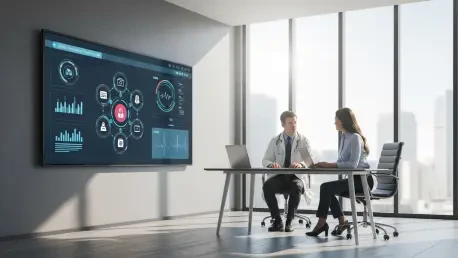
The success of any medical software ultimately depends on its usability for the clinicians who rely on it during high-pressure situations. Historically, poorly designed interfaces have contributed to physician burnout and increased the likelihood of data entry errors, but modern custom software focuses heavily on user experience. By streamlining navigation and reducing the number of clicks required for routine tasks, developers are creating intuitive tools that feel like natural extensions of the clinical workflow. These human-centric designs incorporate visual cues and simplified dashboards that highlight the most critical information, helping staff make faster and more informed decisions. Reducing the cognitive load on healthcare professionals not only improves their job satisfaction but also directly translates to better patient safety. When technology is easy to use, it fades into the background, allowing the focus to remain on the human relationship between the patient and the provider.
The strategic adoption of these custom software trends provided a clear pathway for organizations to navigate the complexities of a modern digital healthcare environment. Leaders who prioritized the integration of modular architectures and secure data exchange protocols successfully avoided the pitfalls of system fragmentation and security vulnerabilities. It was observed that the most effective implementations focused on bridging the gap between advanced technical capabilities and the practical, daily needs of both medical staff and their patients. Moving forward, the emphasis shifted toward maintaining a continuous cycle of feedback and iteration, ensuring that digital tools evolved alongside clinical protocols. Decision-makers invested heavily in training and user-centric design to maximize the return on their technological investments, while patients benefited from more personalized and accessible care delivery. This era of transformation proved that software was not about upgrading hardware but about reimagining the nature of healing.