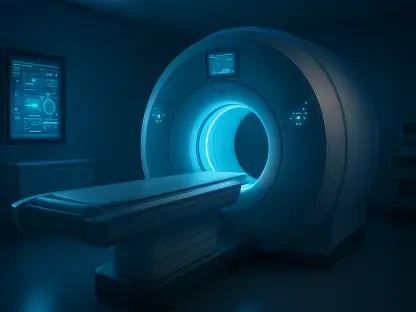
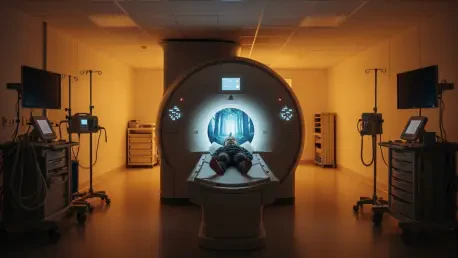
For a child, the cavernous bore of an MRI machine, coupled with its rhythmic thumping and the necessity for absolute stillness, can be a terrifying experience that often results in failed scans or the need for general anesthesia. This fundamental challenge in pediatric radiology has prompted a

The insidious nature of glaucoma often means that permanent vision loss occurs long before a patient even realizes that their ocular health is in significant and immediate danger. For decades, the medical community has struggled with the reality that although this condition is the leading cause of

The ability to monitor the precise journey of therapeutic cells within the human body has remained an elusive goal for decades, often forcing clinicians to rely on indirect markers to guess whether a treatment has reached its intended target. This lack of visibility represents a significant hurdle

Medical practitioners have historically struggled to distinguish aggressive clear cell renal cell carcinoma from benign tissue using conventional scanning techniques that often rely on nonspecific metabolic uptake. The emergence of 68Ga-RCC78 PET imaging represents a definitive leap forward,
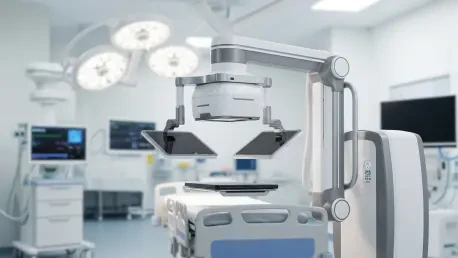
The possibility of a critically ill patient in the intensive care unit no longer needing to risk a dangerous transport to the radiology wing for life-saving metabolic imaging represents a profound shift in modern clinical practice. This transformation is currently spearheaded by a new portable

The ability to peer into the biological future of a patient by predicting how a radioactive drug will distribute through their unique anatomy represents a monumental leap in the fight against advanced prostate cancer. The field of oncology is currently navigating a fundamental shift where treatment