
The transition from pharmacological stabilization to genuine neurological restoration represents the most significant shift in clinical neurobiology witnessed over the last several decades of medical history. For more than half a century, the primary approach to managing Parkinson’s disease involved the use of levodopa and other dopamine agonists to compensate for the death of essential neurons, yet these methods never addressed the root cause of the decline. Recent breakthroughs in cell therapy have demonstrated that regenerative medicine is moving beyond laboratory experiments into practical clinical environments where it provides hope for permanent recovery. These advancements allow surgeons to implant fresh, functional cells into the specific regions of the brain where natural dopamine production has ceased. By moving toward a model of cellular replacement, the medical community is finally challenging the long-held assumption that brain damage from aging or disease is an irreversible process.
Restoring Brain Function Through Cellular Replacement
The Mechanics of Replacing Damaged Neurons
Parkinson’s disease is characterized by the progressive loss of dopaminergic neurons in the substantia nigra, a critical area responsible for coordinating movement and balance through complex signaling. When these cells die off, the resulting lack of dopamine triggers the signature tremors and muscular rigidity that define the condition for millions of patients globally. Traditional pharmacological interventions attempt to chemically bridge this gap, but they often lead to fluctuating effectiveness and significant side effects over time as the underlying neurodegeneration continues unabated. The emerging cellular strategy utilizes specialized stem cells that are carefully differentiated into mature, dopamine-producing neurons before being introduced into the putamen. This targeted delivery aims to create a biological reservoir of dopamine that responds to the natural cues of the brain, potentially eliminating the need for high-dose oral medications and restoring the fluidity of physical motion.
Integrating these new cells into the existing neural circuitry requires a high level of precision and an understanding of how the brain accepts foreign biological material without triggering rejection. Scientists have developed sophisticated scaffolding and delivery mechanisms that protect the delicate neurons during the transplantation process and encourage them to form synaptic connections with neighboring host cells. Once these connections are established, the transplanted neurons begin to function as part of the overall motor control network, effectively re-wiring the damaged architecture of the brain. This structural repair is fundamentally different from drug therapy because it builds a living, breathing solution that adapts to the physiological needs of the individual patient. As these neural grafts mature, they show the potential to provide a stable and long-lasting source of dopamine, which could theoretically halt the most debilitating symptoms of the disease indefinitely.
Evidence From Successful Global Clinical Trials
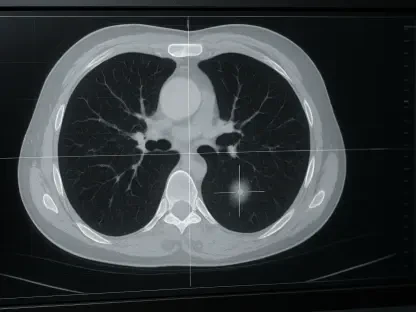
Groundbreaking research in North America has provided some of the most compelling evidence to date that embryonic stem cells can be successfully repurposed to treat chronic neurological deficits. Clinical trials conducted at major research hospitals involved the surgical implantation of stem-cell-derived dopamine progenitors into the brains of patients with advanced Parkinson’s disease. Post-operative monitoring through high-resolution PET scans revealed that these cells not only survived the initial procedure but thrived in their new environment, showing signs of metabolic activity and dopamine release. Patients reported significant improvements in their “off-time,” which is the period when standard medications fail to control symptoms, and demonstrated enhanced motor coordination during standardized physical assessments. These results suggest that the human brain possesses a remarkable capacity to integrate donor cells, provided they are prepared and delivered using these modern techniques.
Parallel to these developments, researchers in Japan have pioneered the use of induced pluripotent stem cells (iPSCs), which are created by reprogramming adult skin or blood cells back into an embryonic-like state. This technique is particularly revolutionary because it allows for autologous transplantation, where the patient’s own tissue serves as the source for their new neurons, minimizing the risk of immune system rejection. The Japanese clinical trials have focused on the safety and efficacy of these reprogrammed cells, showing that they can effectively mimic the behavior of natural dopaminergic neurons once they are placed in the brain. The success of both embryonic and induced pluripotent cell methodologies provides the medical industry with a versatile toolkit to address the diverse needs of the global population. This dual-track progress ensures that ethical considerations and biological compatibility are no longer insurmountable barriers to the widespread adoption of regenerative medicine.
Historical Validation and the Path to Global Implementation
From Long-Term Research to Phase 3 Clinical Trials
The current surge in clinical success is the culmination of more than twenty-five years of exhaustive laboratory research and technical refinement across several continents. In the decades leading up to 2026, the scientific community faced numerous setbacks, including challenges in ensuring that stem cells would differentiate correctly and not form unwanted growths after transplantation. Researchers spent countless hours perfecting the chemical cocktails and environmental conditions required to guide stem cells toward a specific dopaminergic fate with high purity and consistency. This period of rigorous inquiry was essential for establishing the safety protocols and manufacturing standards that are now used in modern clinics. By systematically addressing the variables of cell survival and integration, the field moved from speculative science into a phase of reliable, reproducible medical intervention that honors the long-term commitment of the pioneers who first proposed the cell replacement theory.
The progression of these therapies into Phase 3 clinical trials represents the final and most significant regulatory milestone before widespread commercial availability becomes a reality. These large-scale studies are designed to confirm the efficacy observed in earlier stages across a much broader and more diverse patient demographic, ensuring the results are statistically robust and safe for general use. Reaching this stage validates a vision that has been pursued for nearly forty years, signaling to the healthcare industry that cell therapy is prepared to move from niche experimental centers to mainstream hospitals. As regulatory bodies review the accumulating data, the focus is shifting toward the logistical requirements of distributing these complex biological products to a global market. This transition is a clear indicator that the era of regenerative neurology has arrived, providing a standardized path for a treatment modality that was once considered impossible by the broader medical establishment.
Addressing Demographic Trends and Broader Medical Applications
The urgency of implementing these advanced treatments is underscored by data suggesting that Parkinson’s cases will increase dramatically across major global economies by 2033. This projected surge in the patient population represents a looming public health crisis that could overwhelm existing care systems if they remain reliant on older, less effective pharmacological strategies. Consequently, the push for scalable regenerative solutions has become a priority for governments and healthcare providers who recognize the long-term economic benefits of a one-time cellular repair versus decades of chronic medication. While the costs associated with manufacturing and surgical delivery remain high, the shift toward standardized production techniques is expected to make these therapies more accessible over time. Addressing these demographic challenges requires a forward-thinking approach that prioritizes the development of infrastructure capable of supporting advanced biological manufacturing and specialized neurosurgical care.
The success of these Parkinson’s protocols established a foundational blueprint for applying cellular regeneration to other complex conditions like Alzheimer’s disease and amyotrophic lateral sclerosis. Stakeholders across the healthcare spectrum recognized the need to invest in large-scale bio-manufacturing facilities to reduce the logistical hurdles that previously slowed the distribution of these therapies. Clinical leaders emphasized the importance of early intervention, noting that the best outcomes occurred when cellular grafts were introduced before extensive neural damage took place. Future strategies focused on refining gene-editing tools to enhance the resilience of transplanted cells against the underlying causes of neurodegeneration. By integrating these regenerative methods into standard practice, the medical community moved closer to a model where the repair of human tissue became as routine as surgical intervention for physical injury. These advancements ensured that the focus of modern medicine remained firmly on the restoration of human health and independence.