
The digital infrastructure underpinning clinical diagnostics in the West Midlands is undergoing a radical overhaul as hospitals move toward a unified imaging ecosystem that bridges geographic and technical divides. For years, the National Health Service struggled with fragmented data silos that forced clinicians to wait hours or even days for critical patient scans to be transferred between different regional trusts. This inefficiency often delayed life-saving treatments, especially in complex cases involving oncology or trauma where time is of the essence. By 2026, the West Midlands Imaging Network has emerged as a central pillar of healthcare modernization, linking fifteen distinct hospital trusts into a single, cohesive framework. This transition is not merely about upgrading hardware; it represents a fundamental shift in how diagnostic data is curated and analyzed across a population of millions. The implementation has set a new benchmark for digital health in the region.
Regional Collaboration: Seamless Integration Through Shared Systems
Data Architecture: The Foundation of Unified Patient Records
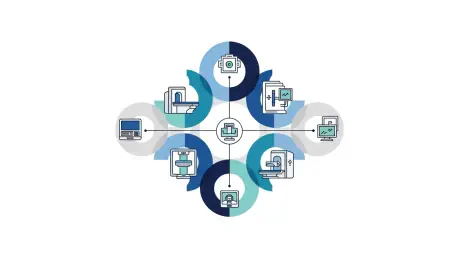
Central to this technological leap is the deployment of a sophisticated Shared Imaging Platform that utilizes vendor-neutral archive technology to harmonize disparate data formats from various equipment manufacturers. This architecture allows for the seamless aggregation of X-rays, MRIs, and CT scans into a centralized repository accessible by any authorized clinician regardless of their physical location. Historically, a patient moving from a primary care facility in Birmingham to a specialist center in Coventry would have their diagnostic history fragmented across multiple local servers. Now, the integration of cloud-native storage solutions ensures that a patient’s entire longitudinal imaging record is available at the point of care within seconds. This technical consolidation has eliminated the redundant costs associated with legacy systems, while simultaneously enhancing cybersecurity through centralized monitoring and standardized encryption protocols that protect sensitive medical data.
Workforce Synergy: Breaking Down Geographical Barriers for Clinicians
Beyond the backend technical specifications, the unified platform has fundamentally transformed the operational workflows of the regional workforce, fostering a culture of collaborative reporting. Radiologists and clinical scientists are no longer tethered to a single hospital site, as the remote-access capabilities of the new system allow for the creation of regional reporting pools. This means that an overstretched radiology department in a rural district can receive immediate assistance from colleagues in a metropolitan teaching hospital, effectively balancing the diagnostic workload across the entire West Midlands. Moreover, the standardization of imaging protocols across the network ensures that every scan produced meets the highest quality requirements, regardless of which trust performed the original procedure. This level of synchronization has drastically reduced the need for repeat scans, saving valuable clinical time and reducing unnecessary radiation exposure for all patients.
Future Diagnostics: Leveraging Intelligence for Faster Outcomes
Algorithmic Assistance: Artificial Intelligence in Medical Imaging
The integration of artificial intelligence into the regional diagnostic pathway represents the next phase of this transformation, providing clinicians with powerful tools to prioritize urgent cases. By embedding AI-driven algorithms directly into the imaging workflow, the West Midlands Imaging Network has enabled the automated detection of life-threatening conditions such as intracranial hemorrhages or pulmonary embolisms. These intelligent systems analyze incoming scans in real-time, flagging high-risk findings for immediate review by a specialist before the report even reaches the traditional queue. This proactive approach ensures that patients requiring emergency intervention are identified much faster than traditional manual triaging would allow. Furthermore, AI tools are being utilized to assist in the longitudinal tracking of chronic diseases, offering measurements of tumor growth that might be imperceptible to the human eye during routine reviews, thereby refining patient care.
System Evolution: Actionable Results and Strategic Growth
The successful rollout of the regional imaging strategy provided a clear blueprint for how large-scale digital transformations should be executed within complex healthcare environments. Stakeholders prioritized the establishment of clear governance structures and data-sharing agreements before the technical implementation commenced, which mitigated many of the legal hurdles that previously stalled similar initiatives. Medical leadership focused on training clinical staff to embrace the new AI-augmented tools, ensuring that technology served as a partner rather than a replacement for human expertise. By 2026, the network achieved significant reductions in diagnostic backlogs and established a sustainable model for continuous technical reinvestment. Regional authorities recommended that other health systems adopt a similar cloud-first approach to infrastructure while maintaining a strong focus on interoperability. This transition ensured that the West Midlands remained at the forefront of the digital health revolution.