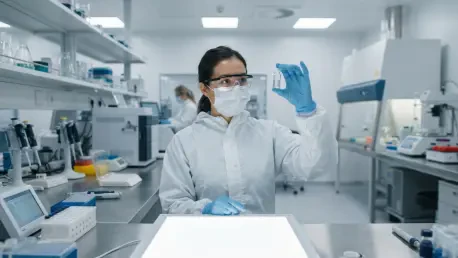

Ethiopia's strategy reflects a broader continental trend toward health security, where local production is viewed as the only viable path to effective public health response. By 2030, the nation intends to transition from a major importer of medical goods to a self-reliant manufacturing powerhouse,

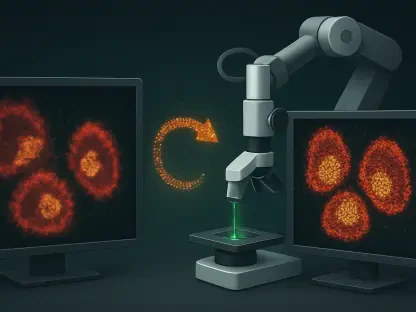
Ensuring the mathematical perfection of image reconstruction is vital in clinical environments where even minor pixel alterations can lead to misinterpretation of diagnostic results. As telemedicine continues to expand throughout 2026, the volume of high-resolution Digital Imaging and
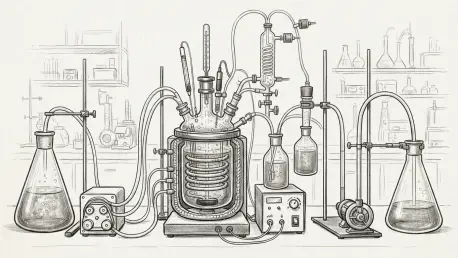
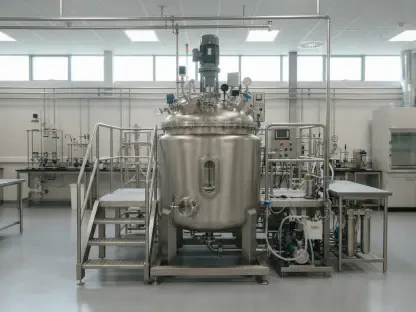
Faster-growing yeast cells in continuous culture produce enzymes with higher specific activity, suggesting that growth rate directly influences the quality of the final protein product. This discovery marks a pivotal shift in how bioengineers approach the metabolic trade-off between cellular growth

Phytochemicals like polyphenols and flavonoids found in jamun leaves serve as natural capping agents that prevent nanoparticle aggregation without the need for toxic stabilizers. This biological approach to nanotechnology has gained significant momentum in 2026 as industries move away from

The current practice of requiring separate scientific assessments for the same product in fifty-four different countries discourages investment and increases the cost of doing business in Africa. This structural inefficiency has long kept the continent in a state of dependency, forcing it to import
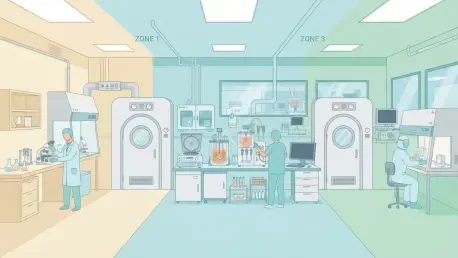
The rapid evolution of biotechnological capabilities has brought humanity to a critical juncture where the potential for life-saving discoveries is matched by the escalating complexity of biological threats. Effective biorisk governance requires a structured institutional architecture that moves