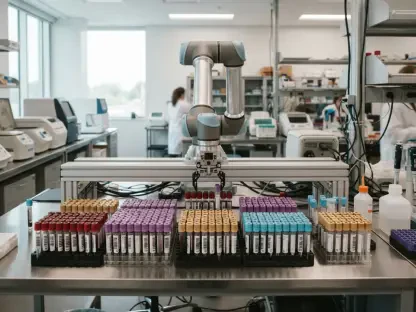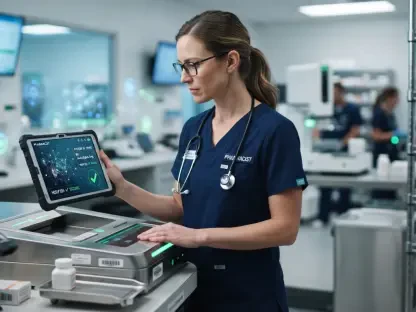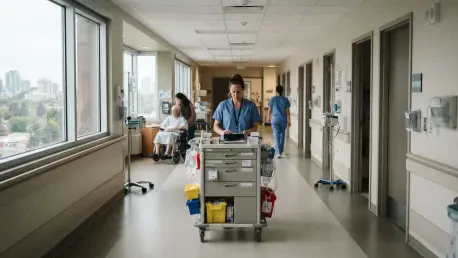

Hospitalized cancer patients benefit from a digital safety net that ensures their emotional support and medication needs are met without being overlooked. In the fast-paced environment of a modern oncology unit, the sheer volume of tasks can become overwhelming for even the most experienced practitioners. Nurses often find themselves juggling complex chemotherapy administration, managing acute side effects, and providing the psychological presence that defines quality nursing care. However, the phenomenon of missed care—where essential interventions are delayed or entirely omitted due to high workloads—presents a persistent challenge to clinical outcomes. Addressing this issue requires more than just increased staffing; it demands innovative tools that integrate seamlessly into existing workflows. By utilizing electronic prompts, hospitals can provide a backup system that alerts staff to specific patient needs in real-time. This approach does not replace clinical judgment but rather supports it, ensuring that the fundamental rights of patients to receive safe and timely care are consistently upheld across every shift.
Utilizing Digital Interventions for Clinical Excellence
Research Methodology: Evaluating Mobile Reminders
The implementation of this digital intervention began with a rigorous randomized controlled trial designed to evaluate how mobile notifications influence nursing behavior in high-stakes environments. Researchers at Afzalipour Hospital recognized that even minor lapses in attention could lead to significant health risks for oncology patients, whose conditions often require minute-to-minute monitoring and strictly timed pharmaceutical interventions. To address this, a group of oncology nurses was systematically divided into experimental and control cohorts to compare the effects of structured digital “nudges.” Over a nineteen-day period, the intervention group received tailored reminders through widely used mobile messaging applications, focusing on the specific tasks that were most likely to be missed during a standard shift. This method allowed the research team to observe real-world changes in clinical practices without introducing intrusive hardware or complicated software that might otherwise disrupt the already taxing environment of the oncology unit.
To ensure the reliability of the collected data, the study utilized standardized assessment tools such as the MISSCARE survey and the Quality Patient Care Scale, better known as QUALPACS. These instruments provided a dual perspective on the problem, measuring both the frequency of omitted tasks and the overall qualitative standard of the care delivered by the nursing staff. Data collection occurred at three distinct stages: at the start of the study to establish baseline performance, immediately following the nineteen-day intervention, and again at a one-month follow-up to check for behavioral longevity. This structured approach revealed that before the digital prompts were introduced, both groups of nurses performed at comparable levels, often struggling with the same systemic challenges. The subsequent divergence in performance metrics underscored the potential of simple, message-based interventions to fundamentally alter the accuracy of nursing care, moving beyond theoretical benefits into quantifiable improvements in daily clinical operations and patient safety.
Quantifiable Improvements: Enhancing Nursing Performance
The statistical analysis of the intervention results indicated a sharp decline in missed care occurrences among those who received the electronic notifications. While the control group showed little to no change in their task completion rates, the nurses utilizing the digital reminders experienced a substantial improvement in their MISSCARE scores, which rose significantly and remained elevated even after the formal trial period ended. This improvement suggests that the electronic prompts did more than just alert nurses to immediate tasks; they helped reshape the cognitive priorities of the staff. By consistently highlighting critical care elements like symptom management and medication schedules, the messaging system reinforced a higher standard of vigilance. The quality of care scores mirrored this trend, as patients in the intervention group reported receiving more comprehensive and attentive treatment. These results demonstrate that when nurses are supported by technology, the overall caliber of the hospital experience improves, reducing the risk of human error during complex treatments.
Beyond merely preventing forgotten tasks, the study demonstrates that digital reminders actively enhance the overall caliber of patient interactions. By integrating prompts into tools nurses already use daily, the intervention bypassed the need for expensive hardware or disruptive training. This approach suggests that low-cost technology can bridge the gap between high-pressure hospital realities and the fundamental right of every oncology patient to receive comprehensive, timely care. One of the most promising findings of this research is the sustainability of the results, indicating that digital reminders can lead to lasting behavioral shifts. In specialized units where understaffing is common, these notifications act as a persistent support system that helps maintain high standards even during peak hours. This lasting impact highlights the potential for electronic messaging to transform nursing workflows from reactive to proactive, ensuring that no element of patient recovery is overlooked. The success of this program provides a scalable blueprint for other oncology departments.
The successful implementation of these protocols at Afzalipour Hospital proved that simple technology could solve long-standing issues in clinical settings. Healthcare administrators observed that the permanent integration of electronic notification systems fostered a lasting culture of safety and excellence. This research advocated for adopting digital tools as a modern solution, which secured a safer environment for those undergoing cancer treatment. By 2026, medical facilities that utilized these systems noted significant reductions in medication errors and higher patient satisfaction. The transition to digitally-assisted nursing care demonstrated a highly effective strategy for ensuring that the human element of oncology treatment remained the top priority. Ultimately, these actions supported nurses in managing their complex responsibilities and ensured that patients received the accurate care necessary for their recovery. The study bridged the gap between hospital operations and patient requirements, leaving a blueprint for future nursing standards.