
Phytochemicals like polyphenols and flavonoids found in jamun leaves serve as natural capping agents that prevent nanoparticle aggregation without the need for toxic stabilizers. This biological approach to nanotechnology has gained significant momentum in 2026 as industries move away from conventional chemical synthesis methods that rely on harsh reducing agents. The jamun tree, known scientifically as Syzygium cumini, offers a rich profile of bioactive molecules that facilitate the controlled growth of metallic oxides at the molecular level. Researchers have recognized that these botanical extracts do more than just act as a medium; they actively shape the electronic and physical characteristics of the resulting nanoparticles. By utilizing these natural stabilizers, the synthesis process becomes inherently more sustainable, reducing the overall carbon footprint of nanoparticle production. This methodology is particularly relevant in the context of precision agriculture, where the demand for targeted, eco-friendly antimicrobial agents is at an all-time high to ensure crop resilience against evolving bacterial and fungal threats.
1. Preparation: Extracting Bioactive Compounds From Jamun Leaves
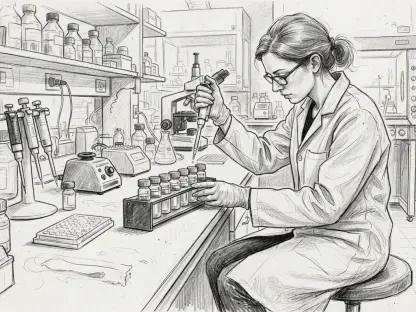
The initial phase of this green synthesis protocol involves the careful preparation of the jamun foliage to ensure the highest concentration of beneficial phytochemicals is available for the reaction. Fresh leaves from the Syzygium cumini tree are first thoroughly rinsed with distilled water to remove any environmental pollutants or surface dust that could interfere with the purity of the final product. Following the cleaning process, the material is subjected to a dehydration phase where the washed leaves are left to dry in a shaded area for a duration of one week. This controlled drying is essential to prevent the degradation of heat-sensitive compounds that are vital for the reduction process. Once the leaves are completely dry and brittle, they are pulverized into a fine powder using a mechanical grinder. This pulverization increases the surface area of the botanical material, allowing for a more efficient transfer of secondary metabolites into the aqueous medium during the subsequent extraction phase.
After obtaining the leaf powder, the focus shifts to extracting the essential phytochemicals that will drive the nanoparticle synthesis. The powder is mixed with distilled water and heated at precise temperatures between 45 and 60 degrees Celsius for a period of 45 to 60 minutes. This moderate heating range is carefully maintained to optimize the solubility of polyphenols and flavonoids while preventing their thermal decomposition. The resulting mixture is then filtered through specialized paper to remove any remaining solid particulates, yielding a clear, bioactive-rich liquid extract. This refined liquid is immediately stored at a constant 4 degrees Celsius to maintain its chemical stability and prevent microbial contamination prior to its use in the synthesis reactions. By standardizing this botanical extraction, the researchers ensure a consistent concentration of capping and reducing agents, which is paramount for achieving uniform particle sizes and predictable antimicrobial properties in the final copper-doped zinc oxide materials.
2. Synthesis: Creating Pure and Copper-Doped Nanoparticles
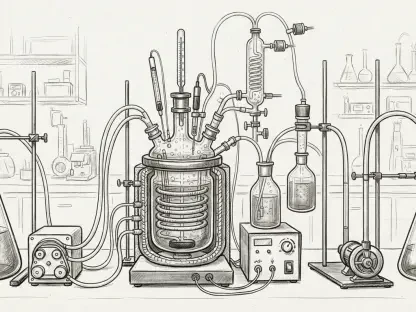
The synthesis of pure zinc oxide nanoparticles begins with the preparation of a stable precursor solution, a critical step that dictates the initial nucleation of the particles. A 0.1 M zinc acetate dihydrate solution is prepared and placed under continuous stirring while being heated to a consistent 70 degrees Celsius. Once the solution reaches the target temperature, the previously prepared jamun leaf extract is added drop by drop. This gradual addition is necessary to control the rate of chemical reduction, ensuring that the phytochemicals can effectively surround the emerging zinc nuclei. The interaction between the zinc ions and the botanical ligands initiates the transformation from a simple salt solution into a complex colloidal system. The presence of organic compounds from the extract ensures that the particles do not grow unchecked, as the polyphenols act as a physical barrier that limits the expansion of the crystal lattice during these early stages of the co-precipitation procedure.
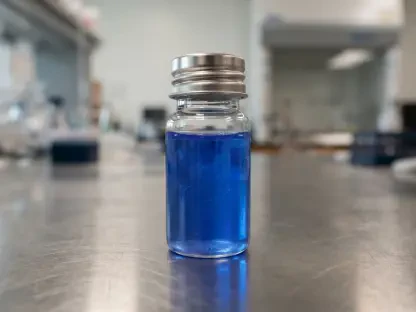
To further drive the formation of the particles, the chemical environment must be precisely altered to induce the necessary reaction. The pH level of the mixture is adjusted to remain between 9 and 11, a basic range that triggers a distinct visual transformation. The liquid changes from its original green hue to a deep brown color, signaling the successful birth of the nanoparticles. Following this transition, the mixture is isolated through high-speed centrifugation, where it is spun at 12,000 revolutions per minute for 20 minutes to separate the solid precipitate from the liquid phase. The resulting sediment is then thoroughly rinsed with deionized water to remove any unreacted precursors. After purification, the material is dried in an oven at 90 degrees Celsius to eliminate residual moisture. Finally, the substance is calcined at 600 degrees Celsius for two hours, a high-heat treatment that removes organic residues and finalizes the crystalline structure of the pure zinc oxide nanoparticles.
3. Modification: Integrating Copper Into the Oxide Lattice
The process of creating copper-doped zinc oxide nanoparticles builds directly upon the established green co-precipitation framework, introducing a secondary metallic element to enhance the material’s functional properties. The researchers repeat the initial synthesis steps used for the pure oxide, ensuring that the jamun leaf extract is effectively utilized as the primary stabilizing medium. During the reaction phase, a 5 percent weight-per-volume copper sulfate solution is introduced into the mixture dropwise. This introduction of copper ions into the zinc oxide precursor environment causes a dramatic visual shift, as the solution transitions to a dark chocolate brown color. This change in appearance is a clear macroscopic indicator of successful doping, suggesting that the copper ions are being integrated into the developing oxide framework. The specific concentration of the copper dopant is carefully managed to ensure that it alters the electronic structure of the particles without compromising the host geometry.
Once the doping process is complete, the researchers proceed to isolate the modified particles through a rigorous separation and purification sequence. The mixture is placed back into the centrifuge to collect the solid particles, which now contain the copper dopant within their structure. These particles are washed multiple times to ensure that any excess copper sulfate or non-bonded organic components are eliminated. Following the cleaning stage, the wet product is moved to a drying oven set at 90 degrees Celsius to evaporate all remaining moisture, leaving behind a fine, dry powder. To finalize the crystal structure and activate the dopant, the material undergoes a calcination process at 600 degrees Celsius for two hours. This high-temperature environment is identical to the conditions used for the pure particles, ensuring that any comparisons made between the two materials are based on the effects of the copper doping rather than variations in thermal history. This final step yields a robust, stable antimicrobial agent ready for testing.
4. Characterization: Analyzing Structural and Optical Properties
Characterization of the synthesized materials confirmed that the copper-doped particles possessed unique optical and chemical signatures compared to their pure counterparts. Ultraviolet-visible spectroscopy revealed a sharp absorption peak at 378 nanometers for the pure zinc oxide, while the copper-doped material exhibited a slightly red-shifted peak at 383 nanometers. This shift is attributed to the modification of the electronic structure caused by the incorporation of copper, which introduces impurity levels near the band edges. Furthermore, Fourier transform infrared spectroscopy identified specific phytochemical signatures from the jamun extract, such as the broad O-H stretching bands and C=O vibrations associated with terpenoids and flavonoids. These results proved that the organic compounds were actively involved in the capping process. The spectroscopy data provided a clear picture of how the copper dopant and the botanical extract worked in tandem to alter the light-harvesting and bonding characteristics of the nanoparticles.
X-ray diffraction analysis was utilized to index the diffraction peaks, which matched the hexagonal wurtzite structure typical of zinc oxide. The researchers observed that while the pure sample showed characteristic peaks at specific angles, the copper-doped sample exhibited slightly shifted peaks, indicating a successful but subtle lattice distortion due to the copper atoms. Using the Debye-Scherrer equation, the team determined that the average crystallite size decreased from 18.67 nanometers to 16.25 nanometers after doping. This reduction suggests that the presence of copper inhibits the growth of larger crystals, leading to a more refined nanostructure. Atomic force microscopy further supported these findings, showing that the surface roughness dropped from 2.093 nanometers to 1.824 nanometers in the doped material. The combined data from these analytical techniques confirmed that the green synthesis method produced highly uniform and structurally sound nanoparticles where the copper was successfully integrated into the host lattice.
5. Performance: Evaluating Antimicrobial Power and Biological Mechanisms
The antimicrobial evaluation of the nanoparticles targeted significant bacterial and fungal phytopathogens, such as Xanthomonas campestris and Aspergillus niger, which cause devastating crop losses. Using the agar well diffusion method, the researchers found that the copper-doped nanoparticles outperformed the pure botanical extract and pure zinc oxide in every test. At the maximum tested concentration, the doped particles produced an inhibition zone of approximately 19.99 millimeters against Xanthomonas campestris and 28.37 millimeters against Clavibacter michiganensis. Against fungi, the doped material achieved substantial inhibition zones of 30.14 millimeters for Aspergillus niger and 28.12 millimeters for Alternaria alternata. The statistically significant results indicated that the synergistic effect of the copper dopant and the zinc oxide base created a potent barrier against microorganisms. These engineered nanoparticles served as a highly effective alternative to traditional treatments, providing a targeted defense.
The investigation into jamun-mediated nanoparticle synthesis established a clear pathway for the development of sustainable agrochemicals. By successfully integrating copper into the zinc oxide lattice using botanical extracts, the researchers provided a proof-of-concept for high-performance materials that did not require toxic stabilizers. This study underscored the importance of leveraging regional biodiversity to address global agricultural challenges in 2026. Moving forward, the focus shifted toward large-scale field trials to determine how these nanoparticles interact with complex soil ecosystems and various crop species under real-world conditions. Future efforts also prioritized the standardization of leaf collection and extraction processes to ensure consistent particle quality across different seasons and geographic locations. The successful characterization of these materials served as a foundation for designing the next generation of smart fertilizers and pesticides. Ultimately, this research paved the way for a more integrated approach where green chemistry became a standard pillar.