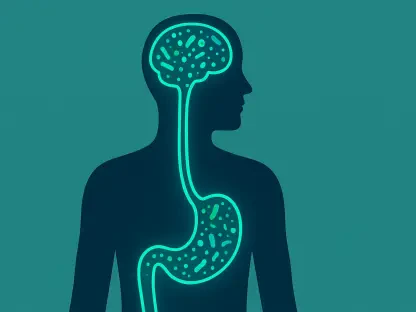

The realization that trillions of microorganisms residing within the human digestive tract exert a profound influence on the systemic distribution of synthetic nanocarriers has completely revolutionized modern oncological strategies. Researchers have shifted their focus from merely optimizing the chemical composition of nanoparticles to understanding the complex biological landscape through which these tiny vehicles must travel. Traditionally, the failure of a nanomedicine to reach its target was attributed to vascular leaks or poor cellular uptake, yet current findings suggest that the gut microbiome acts as a primary regulator of systemic bioavailability. This paradigm shift requires a re-evaluation of how therapeutic agents are tested in preclinical models, as the microbial composition of the host can dictate whether a treatment succeeds or fails. By acknowledging the role of these symbiotic organisms, scientists are now developing sophisticated models that integrate metagenomic data into pharmacokinetic predictions for better patient outcomes.
The Mechanism: Microbial Influence on Systemic Transport
Short-chain fatty acids produced by the fermentation of dietary fibers serve as critical signaling molecules that maintain the integrity of the intestinal epithelial barrier. When the gut microbiome is in a state of dysbiosis, the resulting imbalance in metabolite production can lead to increased systemic inflammation, which significantly alters the permeability of blood vessels near tumor sites. This phenomenon, often referred to as the “leaky gut” effect, paradoxically complicates the delivery of nanomedicines because it triggers a premature extravasation of nanoparticles into non-target tissues. Instead of concentrating within the tumor microenvironment through the enhanced permeability and retention effect, these therapeutic agents become sequestered in the liver or spleen due to altered vascular signaling. Consequently, the efficacy of lipid-based or metallic nanoparticles is often hampered by the very physiological environment they were designed to exploit for targeted delivery in oncology.
Beyond vascular permeability, the gut microbiome modulates the activity of the mononuclear phagocyte system, which is responsible for clearing foreign substances from the bloodstream. Specific bacterial species, such as those within the Bacteroides and Lactobacillus genera, have been shown to prime macrophages and neutrophils to be more or less aggressive in their response to synthetic materials. In patients with a highly reactive immune system driven by certain gut microbes, nanoparticles are often engulfed and destroyed before they can even reach the tumor site. This immune-mediated clearance is a significant hurdle for long-circulating formulations that rely on extended time in the blood to maximize accumulation at the site of malignancy. By manipulating the microbiome through targeted antibiotic use or specific probiotic interventions, clinicians can potentially “shield” nanomedicines from these immune cells, thereby extending their half-life and improving the therapeutic index.
Strategic Implementation: Enhancing Therapeutic Efficacy via Microbial Modulation
The significant variability in treatment outcomes among cancer patients receiving identical nanomedicine doses has long been a source of frustration for oncologists and pharmacologists alike. Recent data indicates that up to forty percent of this variation can be attributed to the unique composition of an individual’s gut microbiome, which dictates how the body processes and distributes various nanomaterials. This discovery has led to the development of “microbiome-informed dosing,” where a patient’s stool sample is analyzed prior to the initiation of chemotherapy to predict the likely behavior of the nanocarriers. Such a personalized approach ensures that the concentration of the drug at the tumor site remains within the therapeutic window, avoiding both sub-therapeutic levels and toxic over-accumulation. As these diagnostic tools become more sophisticated, they are being integrated into standard clinical workflows, allowing for a level of precision that was previously unattainable when focusing solely on the tumor.
Ultimately, the discovery that intestinal bacteria regulate the transport and efficacy of nanomedicine necessitated a fundamental change in the collaborative structure of research teams. Oncologists, microbiologists, and engineers began working in tighter unison to address the biological barriers that previously limited the success of nanotechnology in clinical settings. The industry moved toward a strategy that prioritized the stabilization of the gut environment before initiating complex drug delivery protocols, often incorporating dietary interventions or fecal microbiota transplants as preparatory phases. These actions demonstrated that the effectiveness of high-tech solutions remained deeply rooted in the host’s fundamental biology. For professionals, the next step involved the standardization of microbiome-responsive nanoparticle designs that adjusted their release profiles based on real-time metabolic feedback. This integrative methodology ensured that the potential of nanomedicine was fully realized.