

Current medical protocols often leave patients with complex brain malformations in a state of uncertainty while waiting for potential vessel ruptures. This reactive stance stems from the inherent risks associated with invasive surgery and the limitations of traditional imaging, which frequently

The convergence of big data and clinical medicine is finally enabling the creation of a system where every patient encounter contributes to collective medical knowledge. As healthcare providers grapple with the sheer volume of information generated within their networks, the ability to synthesize
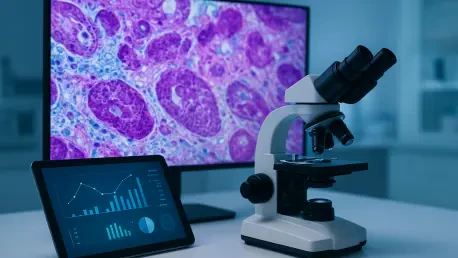
Advanced algorithms are now capable of correlating visual cellular patterns on pathology slides with specific gene-expression profiles linked to aggressive disease. This breakthrough in digital pathology allows clinicians to look beyond the surface level of tissue samples to understand the

Sponsors of CNS-directed gene therapies are now being urged to embed independent imaging review boards directly into their trial protocols to avoid similar regulatory failures. This directive follows the U.S. Food and Drug Administration's decision to issue a second clinical hold on Regenxbio’s

International researchers have identified a five-week chemoradiotherapy protocol that allows four out of five patients to avoid major surgery while maintaining their quality of life. This paradigm shift in oncology marks a departure from the traditional approach, where radical excision was

The scalability of NGSE-Corr suggests that the method becomes increasingly powerful and reliable when applied to large-scale clinical datasets and patient populations. This innovative approach addresses a fundamental limitation in modern medical diagnostics where the push for quantitative data