
Suki's new Ask feature integrates Wolters Kluwer’s UpToDate Expert AI to provide clinicians with real-time access to medical knowledge and patient data via conversational prompts. This development follows a massive $90 million Series E funding round, signaling a significant shift in how artificial

Seventy-five percent of physicians reported that reviewing a concise clinical summary generated by the AI helped them prepare for patient visits more effectively than traditional methods. This striking statistic emerges from a recent clinical trial conducted by researchers at Harvard Medical School
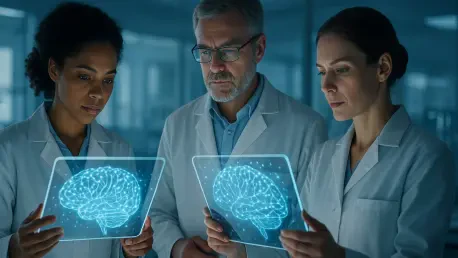
Nineteen leading scientists from Europe and the United States have launched a three-year initiative to map regulatory deficiencies in the application of machine learning for drug discovery. This strategic movement, officially unveiled at the prestigious ECNP Congress in Munich, marks the inception
The primary value of integrating artificial intelligence into biological research is the dramatic reduction in time required to identify viable therapeutic targets. This acceleration represents a seismic shift in how the financial markets value biotechnology, moving it from a speculative sector

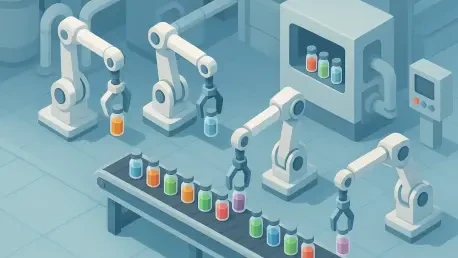
The initiative led by Professor Mo Maniruzzaman focuses on connecting disparate technological tools into a singular automated production ecosystem. This groundbreaking shift at the University of Mississippi represents a direct response to the stagnant timelines that have historically defined the

While multi-terabyte raw sequencing files are theoretically accessible to the public, the specialized knowledge required to align and analyze them creates a persistent data reuse gap. This bottleneck has long prevented the scientific community from fully leveraging the trillions of dollars invested