
The rhythmic twitch of a scorpion’s tail has long signaled a lethal threat to the unwary, but today that same biological weaponry is being repurposed into a sophisticated pharmaceutical instrument for mending the human liver. While these arachnids have survived for hundreds of millions of years by refining their toxic sting, modern medical science is beginning to harness the very proteins that once caused paralysis and pain. This transition from a feared predator’s defense to a healer’s scalpel marks a new chapter in molecular pharmacology, where the focus shifts from the danger of the sting to the precision of the molecules within it. As chronic liver diseases reach critical levels across the globe, the timing for such an innovative biological solution could not be more appropriate. These specialized peptides offer a level of specificity that traditional synthetic drugs often lack, targeting only the cells that drive disease while leaving healthy tissues untouched.
Nature’s Ancient Defense Becomes a Modern Molecular Scalpel
While scorpions have long been feared as venomous predators, their complex chemical arsenal is being reconsidered as a blueprint for the next generation of life-saving medicine. A single sting contains a cocktail of hundreds of bioactive molecules, many of which have evolved over millions of years to interact with biological systems with surgical precision. Researchers are now decoding these toxic secrets to solve a modern health crisis: the global rise of chronic liver disease. By stripping away the danger and isolating specific peptides, scientists are uncovering potent tools capable of calming inflammation and halting the progression of organ failure. This evolution from toxin to therapeutic demonstrates the power of bioprospecting in the natural world.
The structural diversity found in these venoms is the result of an evolutionary arms race that has optimized molecules for stability and potency. Unlike many synthetic compounds that degrade quickly in the body, venom peptides are built to last, often possessing unique scaffolds that protect them from enzymatic attack. Consequently, the pharmaceutical industry is moving away from broad-spectrum drugs and toward these highly specialized natural templates. By utilizing the biological “intelligence” of the scorpion, medicine can now address complex cellular pathways that were previously considered unreachable. This approach does not just treat symptoms; it engages with the molecular machinery of the body to restore balance.
The Global Burden of Hepatic and Inflammatory Disorders
Chronic liver conditions, ranging from Metabolic Dysfunction-Associated Steatohepatitis (MASH) to viral hepatitis, represent an escalating threat to global public health in 2026. Currently, the medical community faces a significant gap in targeted therapies; many existing treatments offer only broad suppression of the immune system or fail to stop the transition from simple inflammation to irreversible scarring, known as cirrhosis. The economic and social costs of these diseases are staggering, as they often lead to long-term disability and the need for organ transplantation. This discovery of scorpion-derived peptides comes at a critical time, offering a specialized approach to cellular signaling that traditional pharmaceuticals have struggled to achieve.
The rise in metabolic disorders has fueled a surge in liver-related complications, making the search for effective antifibrotic agents a top priority. In many cases, by the time a patient is diagnosed with significant hepatic damage, the window for effective intervention is closing rapidly. Traditional anti-inflammatory drugs often carry a heavy burden of side effects, including increased susceptibility to infection and metabolic disturbances. Scorpion peptides, however, offer a way to modulate the immune response with high selectivity. This intersection of evolutionary biology and molecular pharmacology provides a much-needed path forward for patients with few remaining options, marking a shift toward more personalized and precise intervention strategies.
A Structural Deep Dive into Venom Composition
The efficacy of these treatments is rooted in the unique structure of disulfide-bridged peptides, or DBPs. These molecules act as the heavy hitters of the venom world, characterized by internal bonds that act like molecular rebar to provide extraordinary stability. This structure allows them to survive the harsh environment of the human body long enough to reach their intended targets, such as the Kv1.3 potassium channels on overactive immune cells. By blocking these specific channels, DBPs can effectively turn down the volume on the body’s inflammatory response without shutting it down entirely. This nuance is critical for maintaining the body’s ability to fight off other pathogens while simultaneously healing the liver.
In addition to these bridged structures, non-disulfide-bridged peptides (NDBPs) offer a different set of tactical advantages. These shorter, linear molecules are typically amphipathic, meaning they can interact directly with cell membranes to influence signaling pathways like Toll-like receptor 4. This receptor acts as the body’s primary alarm system for injury; by intercepting these signals, NDBPs can prevent the initial spark of inflammation before it spreads into a systemic fire. The transition from raw venom to refined drug candidates has been accelerated by technological catalysts such as high-performance liquid chromatography and transcriptome sequencing. When combined with X-ray crystallography, scientists can engage in structure-based drug design, tweaking these peptides to be more effective and significantly less toxic for human use.
Strategic Mechanisms for Healing the Liver
A primary challenge in treating chronic liver illness is interrupting the cycle of fibrosis, which involves a destructive crosstalk between resident macrophages and hepatic stellate cells. Scorpion peptides like BmKK2 are designed to interrupt this conversation by targeting specific ion channels. When these channels are blocked, the release of TGF-beta1—the primary signal that tells the liver to produce scar tissue—is significantly reduced. This intervention can effectively halt the progression from a fatty liver to dangerous cirrhosis, potentially saving the organ before irreversible damage occurs. The ability to target these specific cell-to-cell interactions represents a major leap over current therapies that lack such cellular precision.
Furthermore, these peptides are proving to be formidable enemies of viral threats like Hepatitis B and C. Molecules such as Smp76 and BmKDfsin4 employ a dual-action strategy: they physically disrupt the outer shell of viral particles to prevent entry into healthy cells while simultaneously boosting the host’s production of interferon-beta. This one-two punch limits viral replication and lowers the presence of viral DNA in the bloodstream, offering a supplement to current antiviral regimens that face increasing drug resistance. By re-tuning the immune master switch known as the NF-kappaB pathway, these venom-derived tools prevent the release of pro-inflammatory cytokines, addressing the root cause of tissue damage without causing widespread immunosuppression.
Practical Pathways to Clinical Implementation
For these peptides to become viable prescriptions, they must overcome the harsh environment of the human digestive system, which naturally tends to break down protein-based medicines. Researchers are currently developing strategies to prevent enzymatic degradation, including the use of chemical modifications that mask the peptide from the body’s natural breakdown processes. Addressing the short half-life of these molecules is the first step toward moving from intravenous hospital treatments to more accessible patient options. The development of advanced oral delivery systems or long-acting injectables is a major focus for the research cycle spanning from 2026 to 2028.
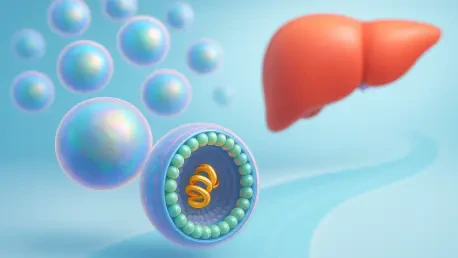
The future of liver treatment lies in the integration of nanotechnology and lipid nanoparticles to achieve precision targeting. By encapsulating scorpion peptides within these microscopic carriers, scientists can shield the medicine until it reaches the hepatic tissue. These nanoparticles can be engineered to be liver-tropic, maximizing the concentration of the drug exactly where it is needed and reducing the risk of off-target effects in other organs. Additionally, Artificial Intelligence is now being used to scan vast databases of venom sequences to predict which peptides will interact most effectively with human proteins. This digital shortcut reduces the need for physical venom extraction, solving the problem of scalability and paving the way for cost-effective, large-scale manufacturing of venom-based therapeutics.
The scientific community recognized the necessity of these venom-derived platforms as traditional methods reached their limits in treating complex organ failure. Researchers discovered that the high specificity of these ancient molecules provided a unique solution to the problem of hepatic inflammation and viral persistence. This realization spurred a new wave of investment in biotechnological infrastructure that favored natural molecular templates over traditional synthetic chemistry. The resulting data established a clear evidence-based path for the use of modified peptides in clinical settings, proving that the most lethal substances in nature could be transformed into the most life-saving. Moving forward, the emphasis shifted toward global collaboration and the expansion of clinical trials from 2026 to 2029 to ensure these breakthroughs reached the most vulnerable populations. This progress underscored the importance of preserving biodiversity, as the next great medical breakthrough was found to be hidden within the very creatures humanity once sought to avoid.