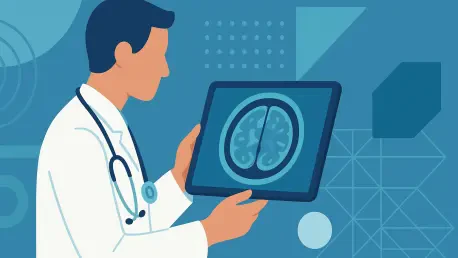
The move toward a single quantitative pipeline aims to synchronize data acquisition, AI reconstruction, and human analysis into a calibrated system. Medical diagnostics is witnessing a fundamental shift as magnetic resonance imaging transcends its traditional limits, finally resolving the
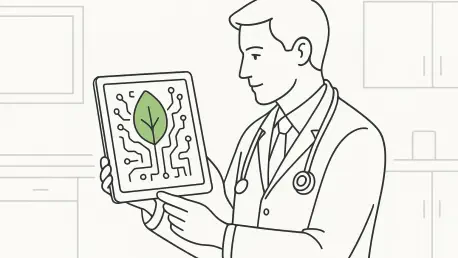
Professor Alok Mishra of the Norwegian University of Science and Technology argues that a narrow focus on computational efficiency ignores the ecological damage caused by AI infrastructure. This perspective is vital as artificial intelligence transitions from an experimental novelty to the primary

The ability of new medical services to launch in a matter of days rather than months is a direct result of regulatory frameworks being pre-integrated into software platforms. This radical acceleration has completely redefined the healthcare landscape, turning what was once a multi-year bureaucratic

The pharmaceutical industry stands at a crossroads where the sheer volume of data threatens to outpace human cognitive capacity. Approximately 30 percent of mandatory clinical results are not submitted within their required timelines, signaling a significant breakdown in traditional evidence

Implementation of standardized safety evaluations is becoming a necessity for healthcare organizations before any artificial intelligence tool enters a live clinical workflow. A landmark study from the Icahn School of Medicine at Mount Sinai has shed light on the precarious intersection of
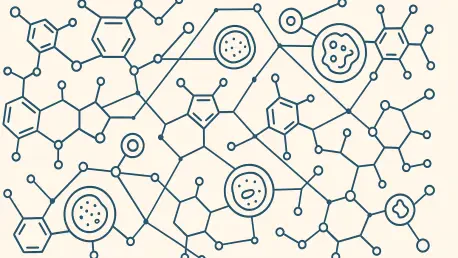
With a focus on advanced machine learning, Isomorphic Labs is attempting to cut years off the timeline required to bring life-saving drugs from the lab to patients. This ambitious goal is currently being met with unprecedented investor enthusiasm, as reports indicate the Alphabet spinoff is seeking