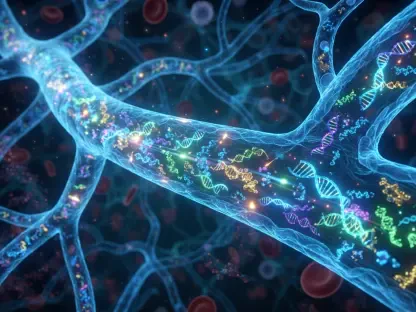

The integration of artificial intelligence into biological research enables the analysis of vast datasets to accelerate both life-saving cures and the potential engineering of biological weapons. This dual nature of modern science has transformed the way governments perceive national safety and sovereign protection. Historically, the primary concerns for intelligence agencies were nuclear missile counts and border skirmishes, but the current decade has revealed that a single microscopic entity can freeze global commerce and claim millions of lives more effectively than conventional weaponry. Biosecurity is no longer just about wearing gloves and goggles in a lab; it is an intricate shield protecting against the deliberate manipulation of life itself. As the technical expertise required to modify genetic sequences spreads across the globe, the possibility of non-state actors accessing these capabilities becomes a tangible threat. Consequently, the focus has shifted toward a comprehensive defensive posture that integrates advanced epidemiology with intelligence and cybersecurity.
Delineating Laboratory Safety and Malicious Intent
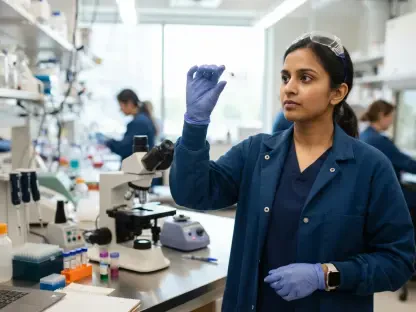
To navigate the complexities of the modern threat landscape, a fundamental distinction between biosafety and biosecurity must be established and maintained. Biosafety refers to the rigorous implementation of laboratory protocols and containment levels designed to prevent the accidental exposure of researchers or the unintentional release of hazardous pathogens into the environment. It is a discipline rooted in occupational health and engineering controls, such as high-efficiency particulate air filtration and specialized waste management. However, as 2026 progresses, the global focus has expanded to encompass the far more sinister challenges of biosecurity. Unlike biosafety, biosecurity is specifically concerned with the malicious element of biological risk, focusing on the protection of sensitive research and biological materials from theft, diversion, or intentional exploitation by hostile actors seeking to cause widespread harm.
The shift toward prioritizing biosecurity reflects the reality that pathogens are now viewed as potential strategic assets in unconventional warfare. National defense strategies now include the protection of digital biological data and the screening of synthetic DNA orders to ensure that no entity can covertly reconstruct dangerous viruses from scratch. This requires a level of oversight that goes far beyond traditional laboratory inspections. Security agencies are working closely with scientific institutions to identify “dual-use” research of concern, where legitimate studies on virus transmissibility could inadvertently provide a roadmap for creating a more lethal biological agent. By focusing on the intent of the actor rather than just the safety of the process, biosecurity has become a critical pillar of modern national security, demanding a sophisticated fusion of scientific knowledge, physical security, and digital surveillance to protect the public from deliberate biological catastrophes.
Technological Catalysts and the Democratization of Risk
The rapid evolution of biotechnological tools like CRISPR gene editing and synthetic biology has provided humanity with unprecedented power to reshape the natural world. These innovations allow scientists to target specific genetic sequences with surgical precision, offering the promise of curing hereditary diseases and developing crops that can thrive in extreme conditions. However, the democratization of these technologies means that the specialized knowledge and equipment once confined to high-security state laboratories are now available to a much broader range of actors. Small startups, independent researchers, and even community laboratories can now access sophisticated genetic sequencing and synthesis tools. This decentralized landscape creates a “dual-use” dilemma where the same breakthroughs that drive medical progress can be repurposed to enhance the virulence of pathogens or bypass existing human immunity.
The integration of artificial intelligence into the life sciences further complicates this security landscape by serving as a powerful force multiplier for biological design. In the progress from 2026 to 2028, AI-driven platforms are expected to significantly shorten the time required for molecular modeling and research planning. While these systems help researchers discover new antibiotics at record speeds, they also provide a low-cost mechanism for designing pathogens with specific, harmful traits. Policy leaders are currently grappling with the difficult task of fostering scientific freedom and economic innovation while establishing safeguards robust enough to prevent the catastrophic misuse of these powerful tools. Implementing international standards for DNA synthesis screening and establishing ethical guidelines for the use of AI in biology are no longer elective measures but essential components of a modern strategy to mitigate the risks associated with the rapid democratization of high-tech biology.
Economic Sovereignty and the Fragility of Global Trade
Modern biological events have demonstrated that the stability of a nation is intimately tied to the resilience of its “just-in-time” supply chains and pharmaceutical manufacturing capacities. When a biological threat emerges, the resulting disruptions to the flow of goods and services can be as damaging as the pathogen itself. During the height of previous global health crises, many nations experienced severe shortages of essential medicines, diagnostic tools, and personal protective equipment, leading to intense diplomatic friction and aggressive export restrictions. This reality has forced a fundamental shift in how biosecurity is conceptualized, moving it from the domain of public health into the sphere of economic and trade security. A country that cannot secure the medical supplies necessary to protect its workforce is vulnerable to domestic instability and external coercion, making medical self-sufficiency a top priority for defense departments.
As governments re-evaluate their strategic reserves and industrial bases, the focus has turned toward building domestic manufacturing hubs capable of pivoting quickly to produce vaccines and therapeutics. The fragility of hyper-globalized supply chains means that a single bottleneck in the production of raw materials can paralyze an entire nation’s response to a biological event. To address this, strategic investments are being directed toward modular manufacturing technologies and the diversification of sourcing for critical ingredients. Protecting the integrity of these supply chains is now recognized as a vital interest, requiring the same level of security and oversight as energy grids or financial systems. By treating biosecurity as a core component of economic sovereignty, nations are working to ensure that their societies can remain functional and resilient even when faced with the most severe biological disruptions or international trade interruptions.
Structural Gaps in International Health Governance
Biological threats do not respect national borders or political boundaries, yet the institutions responsible for managing them remain largely constrained by national jurisdictions and limited mandates. This governance gap creates a significant vulnerability, as the world’s collective safety is often only as strong as the weakest link in the global surveillance chain. International organizations, such as the World Health Organization, provide vital coordination and data sharing, but they frequently lack the enforcement mechanisms and sustained funding required to ensure that all nations adhere to high standards of laboratory safety and disease reporting. Inadequate surveillance or poor biosecurity protocols in one region can allow a localized outbreak to escalate into a global catastrophe before it is even detected. Strengthening international cooperation is therefore not an act of charity, but a strategic necessity for global survival.
The challenge is particularly acute in developing nations where high population density and limited healthcare infrastructure increase the risk of rapid disease transmission. To mitigate these risks, the “One Health” approach has gained prominence, recognizing that the health of humans is inextricably linked to the health of animals and the environment. By investing in the diagnostic laboratories and veterinary monitoring systems of high-risk regions, the international community can better detect zoonotic spillovers at their source. This proactive strategy requires a departure from the traditional model of providing aid only after a crisis has begun. Instead, it involves building long-term local capacity and establishing transparent reporting protocols that transcend geopolitical tensions. Without a unified and well-funded global framework, the risks posed by emerging infectious diseases and laboratory accidents will continue to threaten the stability of the entire interconnected world.
Public Trust: A Strategic Asset for National Defense
One of the most critical yet frequently overlooked components of an effective biosecurity strategy is the level of trust the general population has in its governing institutions. The efficacy of any medical intervention, whether it is a vaccination campaign or a social distancing mandate, depends entirely on whether citizens believe the information they are receiving from official sources. In recent years, the rise of misinformation and the fragmentation of the media landscape have created deep social divisions that can be exploited by hostile actors to undermine public health responses. When a society is polarized, the government’s ability to manage a biological crisis is severely compromised, as public non-compliance and social unrest can accelerate the spread of a pathogen. Therefore, maintaining social cohesion and public trust must be treated as a primary objective of national biosecurity policy.
Addressing these social vulnerabilities required a shift toward proactive investment in transparent communication and the rejection of the reactive policies that defined previous decades. Leaders recognized that sustainable biosecurity was built on the foundation of the One Health framework, which unified human, animal, and environmental monitoring systems into a single predictive network. This transition included the establishment of international data-sharing protocols that functioned even during periods of intense geopolitical friction. By prioritizing the decentralization of vaccine production and investing in diagnostic infrastructure within developing regions, the global community reduced the likelihood of local outbreaks turning into pandemics. Moving forward, the emphasis remained on the ethical oversight of emerging technologies and the cultivation of a scientifically literate public. These actions collectively ensured that the world moved away from a cycle of panic and neglect toward a state of constant, well-funded readiness that prioritized human life over political expediency.