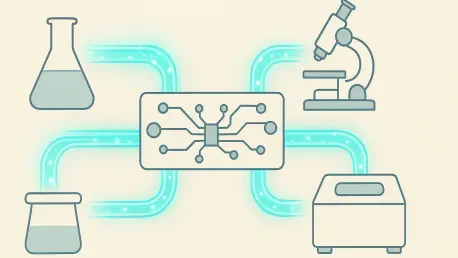
The integration of NVIDIA computing into Danaher's diagnostic portfolio addresses the growing gap between rapid AI hypothesis generation and the slower pace of physical experimentation. As biological research scales in complexity, the traditional manual approach to laboratory work has become a

BullFrog AI is analyzing neuropsychiatric multi-omic data to identify novel targets for major depressive disorder with future plans to expand into schizophrenia and bipolar disorder. This initiative characterizes a broader shift where the traditional boundary between computational technology and

Research indicates that high-value algorithms developed in academic settings often fail to diffuse to other hospitals due to the absence of a clear regulatory pathway for cross-institutional use. This bottleneck has created a landscape where groundbreaking tools remain siloed within the

A key innovation in the recent PET study involves using learnable positional encoding to ground transformer blocks in the physical reality of scanner acquisition. This development marks a significant departure from traditional medical imaging techniques that often struggle with the inherent noise
The pursuit of a definitive cure for solid tumors has long been hindered by a biological paradox where the very therapies designed to annihilate malignant cells often end up inflicting severe damage on healthy tissues. This persistent struggle with toxicity has left many promising immunotherapies

The landscape of oncological research is currently undergoing a seismic shift as major institutions recognize that medical breakthroughs are only as effective as the systems designed to deliver them to the diverse populations they serve. This realization sits at the heart of a significant new