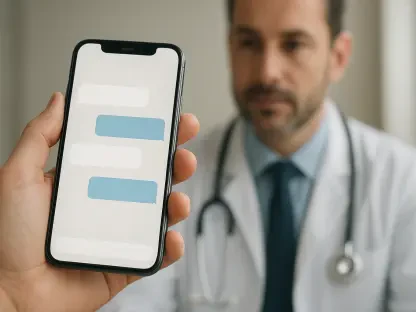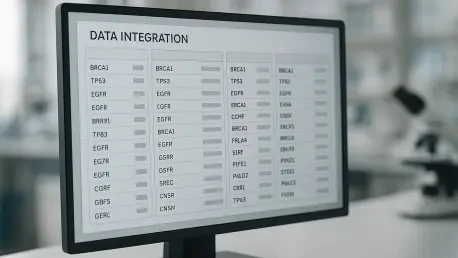

Criminals are leveraging the trust associated with digital medical platforms to execute sophisticated identity theft and financial fraud against the elderly. In recent months, Ohio has seen a sharp increase in fraudulent activity specifically targeting patients using the MyChart application, which

The relentless pursuit of precision medicine has hit a persistent bottleneck in the delicate task of ferrying genetic instructions into the dense, protective environment of the human cell. While the therapeutic potential of RNA—a biological blueprint capable of teaching cells to manufacture their
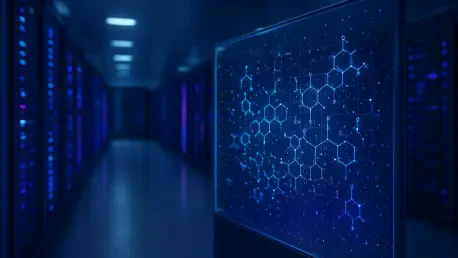
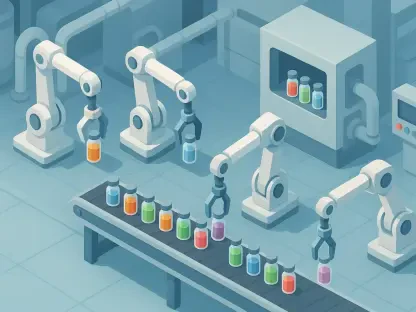
Most high-performance computing software suffers from diminishing returns as more processors are added, but this new architecture scales perfectly across millions of units. The pharmaceutical landscape is currently witnessing a seismic shift with the introduction of AdaptiveFlow, an open-source,
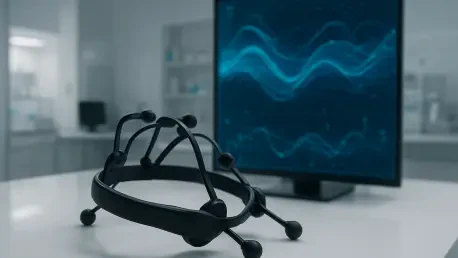
Major depressive disorder treatment currently relies on a monthslong trial-and-error process that leaves patients vulnerable while clinicians wait for signs of chemical efficacy. For decades, the standard procedure involved prescribing a medication and waiting several weeks to see if the patient
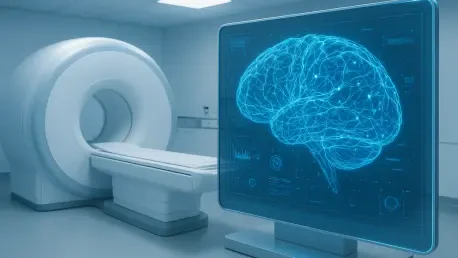
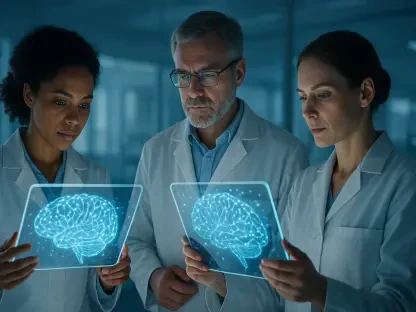
By moving beyond simple volume measurements, neurologists can now utilize network topology to categorize patients based on their specific clinical symptoms and the severity of their condition. For decades, the standard approach to diagnosing and monitoring Multiple Sclerosis concentrated on

The disruption specifically impacted the Cardiac Rhythm Management portfolio, leaving newly implanted monitors unable to transmit data via mobile platforms. This unexpected failure in connectivity raised immediate alarms across the healthcare sector as thousands of patients rely on real-time