The convergence of big data and clinical medicine is finally enabling the creation of a system where every patient encounter contributes to collective medical knowledge. As healthcare providers grapple with the sheer volume of information generated within their networks, the ability to synthesize

Early-stage venture capital is increasingly tied to operational readiness, where a startup's ability to automate research serves as a primary signal of its maturity and future potential. This paradigm shift occurs at a time when the historical trajectory of hard-tech startups has long been defined

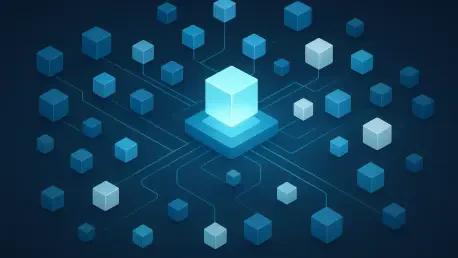
A robust infrastructure that integrates tissue samples with deep molecular information is essential for dismantling the silos between different medical disciplines. The launch of Network Bio, a Palo Alto-based firm, marks a pivotal shift in the intersection of artificial intelligence and medicine.

Healthcare providers in Indianapolis and Fort Wayne are now engaging in peer-to-peer knowledge sharing to master the nuances of the new electronic health record system in real-time clinical settings. This rollout marks a defining moment for the Department of Veterans Affairs as it integrates the

The RAND Corporation warns that current AI capabilities in applied biological sciences could soon enable the creation of catastrophic health threats. Rapid advancements in Large Language Models (LLMs) and Biological Design Tools (BDTs) have fundamentally altered the landscape of biosecurity. These

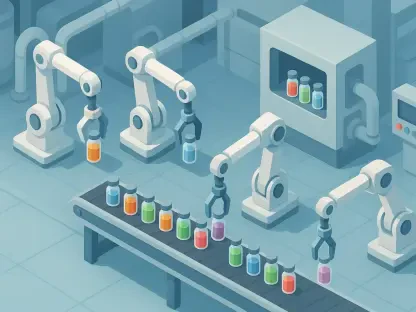
The convergence of legacy manufacturing expertise and cutting-edge molecular platforms is fundamentally transforming the current biopharmaceutical landscape. This paradigm shift marks the end of an era defined by slow, incremental improvements and the beginning of a highly synchronized digital age.