
The move to categorize cardiovascular machine learning software under regulation 21 CFR 870.2380 creates a new benchmark for medical technology safety. This initiative by the U.S. Food and Drug Administration clarifies the expectations for how digital tools are developed, validated, and brought to

As the healthcare system becomes more integrated, the increasing number of stakeholders with network access makes maintaining a secure digital perimeter significantly more difficult. Recent data from Biofile, analyzed alongside IBM’s X-Force Index, reveals a disturbing trend where 60% of all
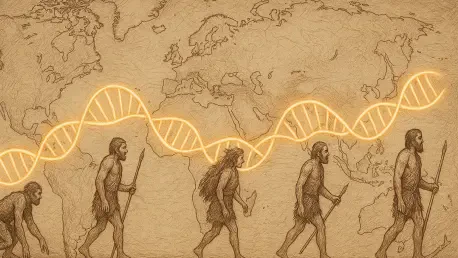
The ability to reconstruct the history of our species using ancestral recombination graphs has exposed genetic depths that were previously invisible to traditional fossil analysis. This methodology allows researchers to look beyond the physical remains of our ancestors, revealing a complex tapestry

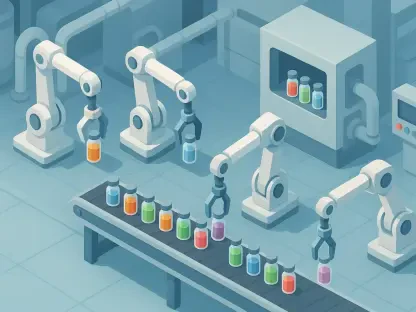
Strategic use of digital shadows allows engineers to run what-if simulations without risking the integrity of a physical production batch during development. This capability marks a dramatic departure from the era when biological manufacturing was as much an art form as it was a science. In the

Healthcare advertisers often utilize National Provider Identifier numbers to target clinicians professionally, thereby bypassing the strict patient privacy restrictions tied to protected health information. This strategic shift has become a defining characteristic of the 2026 digital landscape, as

The politicization of daily life during biological emergencies makes the governance of information as critical to safety as the distribution of essential medical supplies. In the contemporary landscape of 2026, the success of any public health intervention is no longer measured solely by laboratory