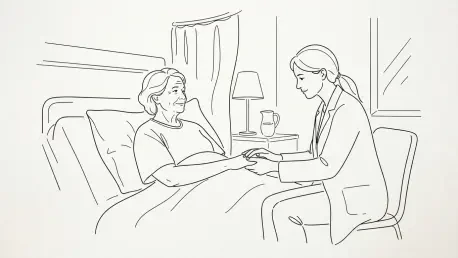

Ambient listening technology allows physicians to focus entirely on the person in front of them rather than a computer screen during sensitive medical exams. This shift marks a significant departure from the recent era where digital interfaces often felt like a barrier in the examination room. As medical records transitioned to complex digital systems, the time spent clicking through menus and typing clinical notes began to eclipse the actual time spent with patients. Modern healthcare facilities are now witnessing a fundamental change through the deployment of generative artificial intelligence designed to capture clinical conversations in real time. This innovation addresses the growing tension between meticulous record-keeping and the human necessity of eye contact and active listening. By automating the capture of clinical dialogue, these tools help restore the traditional doctor-patient bond that was strained by the demands of health informatics platforms while ensuring that every detail is recorded.
The Evolution of Digital Documentation Demands
The transition to comprehensive electronic health records was originally intended to streamline information sharing across various regional healthcare organizations. While systems like the Lumeo platform successfully improved the accessibility of patient histories and diagnostic results, they also introduced an unintended documentation burden that grew exponentially. Physicians frequently find themselves trapped in a cycle of clerical tasks that extend long after the final patient has left the clinic for the day. This administrative strain is not merely a matter of inconvenience; it has become a primary driver of professional burnout and psychological fatigue among medical staff. The requirement to document every detail of an encounter for billing and compliance purposes creates a “pajama time” phenomenon, where clinicians spend their evenings finishing charts. This persistent demand for digital data entry detracts from the quality of life for providers and often limits the number of patients that can be seen effectively during a standard workday.
Building on the necessity for a more sustainable approach, healthcare leaders are identifying the “unseen side” of medicine as a critical area for structural reform. Clinical informatics experts emphasize that the current documentation requirements often force a compromise between data accuracy and patient engagement. When a physician is required to maintain eye contact with a monitor to navigate complex software, the subtle non-verbal cues of a patient can easily be missed. This environment prioritizes the machine over the human being, leading to a sense of disconnect that undermines the therapeutic relationship. The challenge lies in maintaining the high standards of information integrity required by modern medicine without sacrificing the empathy and presence that define effective care. Consequently, the search for a technological solution that works in the background has become a top priority for health systems aiming to improve both provider satisfaction and patient safety metrics throughout the network.
Integrating Generative Intelligence Into Clinical Workflows
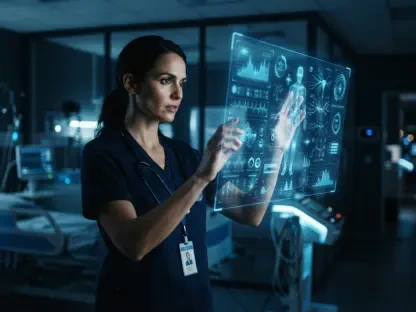
To address these systemic challenges, institutions like the Kingston Health Sciences Centre have initiated pilot programs utilizing generative artificial intelligence to act as medical scribes. Supported by strategic funding from initiatives like the Health Care Unburdened Grant, these projects integrate ambient listening devices into the exam room workflow. These sophisticated microphones capture the natural conversation between the clinician and the patient, using advanced natural language processing to distinguish between medical symptoms, history, and social small talk. Unlike older voice-to-text tools that required rigid dictation of specific commands, GenAI systems understand the context of a medical visit. They are capable of organizing fragmented dialogue into a structured clinical note that follows standard medical formatting. This capability allows the physician to speak naturally to the person in the room while the background system handles the complex heavy lifting of drafting a medical record for review.
Reflecting on the successful integration of these tools, health systems discovered that the most effective AI implementations prioritized human connection above all else. The pilot programs demonstrated that reducing clerical friction directly translated into higher levels of diagnostic precision and provider retention. To build on this success, healthcare organizations identified that establishing robust governance frameworks to ensure data privacy was the next logical step. It became clear that investing in physician-led informatics training helped staff transition from traditional typing to the oversight of automated drafts. In terms of future considerations, the focus shifted toward refining the accuracy of these systems in multi-speaker environments and ensuring equitable access for rural clinics. By moving away from manual data entry, the industry began a necessary evolution toward a more humane healthcare model that emphasized physician wellness and the restoration of patient-centered care for everyone.