
Bypassing traditional bureaucratic bodies like the World Health Organization may allow for more agile and direct coordination between the U.S. and China on biosecurity. As we navigate the complex landscape of 2026, the intersection of advanced large language models and synthetic biology has
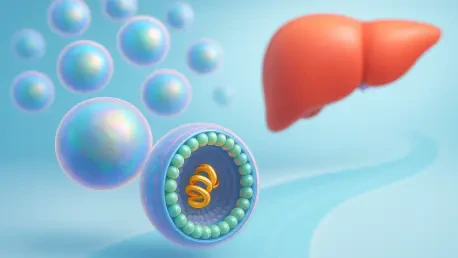
The rhythmic twitch of a scorpion’s tail has long signaled a lethal threat to the unwary, but today that same biological weaponry is being repurposed into a sophisticated pharmaceutical instrument for mending the human liver. While these arachnids have survived for hundreds of millions of years by

Existing natural microbial solutions have historically struggled to bridge the performance gap between environmental stewardship and the high yields required for commercial viability. This tension has forced the global agricultural industry into a state of chemical dependency, where approximately
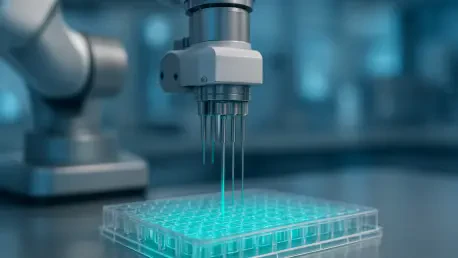
Data filtering initiatives, such as excluding eukaryotic viruses from training sets, represent the first steps in preventing AI models from learning how to design human pathogens. This protective measure is increasingly vital as the intersection of artificial intelligence and the life sciences
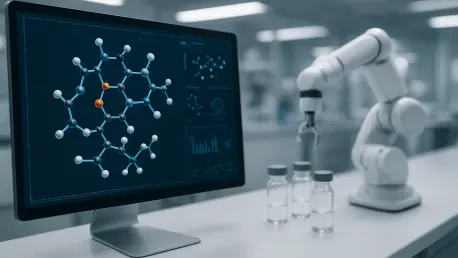
The technological ability to decode the complex molecular signatures of human aging and intervene with precision-engineered molecules has shifted from theoretical biology toward a measurable clinical reality. This evolution is driven by the sophisticated integration of generative artificial

While complex genetic clusters were once thought to be the key to precision medicine, new analysis suggests that routine clinical data may be just as effective for drug selection. For decades, the management of Type 2 diabetes has relied on a rigid, standardized protocol where patients are moved