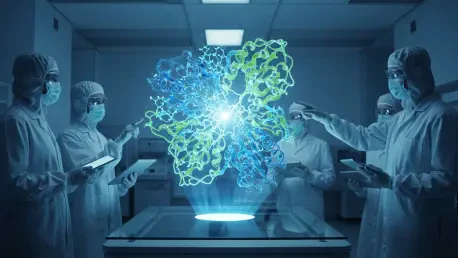
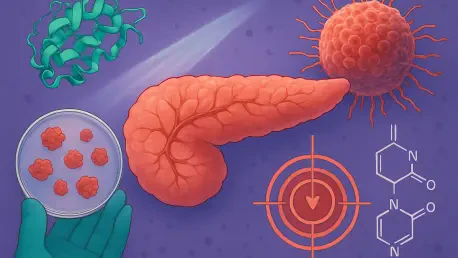
The persistent challenge of treating pancreatic ductal adenocarcinoma has long been defined by the aggressive nature of the disease and its remarkable resistance to traditional therapeutic interventions. For decades, the pharmaceutical industry viewed the RAS family of proteins as an undruggable

The high-pressure environment of a cardiac intensive care unit often forces surgeons to make life-altering decisions within a fleeting 30-minute window that determines whether a donor heart is accepted or discarded. While thousands of patients currently languish on waitlists, nearly two-thirds of
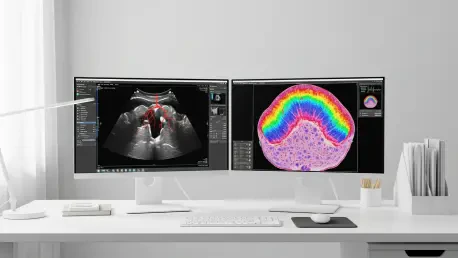
The historical reliance on computed tomography to merely map the structural integrity of coronary arteries has finally been superseded by a methodology capable of identifying cellular-level degradation. For decades, the primary objective of a cardiac CT scan was to identify stenoses or
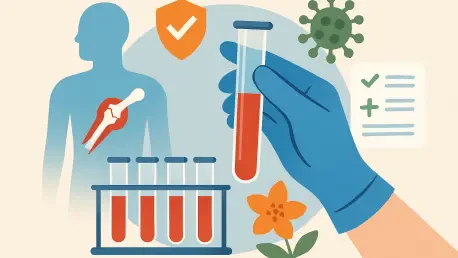
The diagnostic landscape for immune-mediated conditions currently faces an unprecedented surge in demand that challenges the traditional boundaries of clinical laboratory operations and patient management. Unlike infectious diseases where a single pathogen often points to a definitive cause,

The geographic reach of early-stage lung cancer research is undergoing a fundamental transformation that threatens to disconnect millions of patients from the latest breakthroughs in oncology. The landscape of early-phase oncology research is undergoing a seismic shift, moving away from a broad
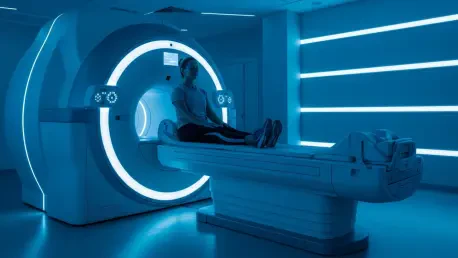
The crushing sensation of physical exhaustion that lingers long after a patient has been declared cancer-free remains one of the most enigmatic challenges in modern oncology, often described by survivors as a profound, "hollowed-out" feeling that defies the restorative power of sleep. While