
The biological clock ticking inside every human cell does not always align with the candles on a birthday cake, creating a gap that traditional medicine has struggled to measure or bridge. For decades, clinicians relied on basic markers like blood pressure or cholesterol to estimate health decline. However, the emergence of the Multi-Omics Aging Signatures framework has revolutionized this approach, moving from vague estimates to high-resolution molecular fingerprints. This technology decodes the hidden signals of aging by integrating vast layers of biological data, offering a level of precision that was previously unimaginable in geriatric care.
Introduction to Multi-Omics Aging Signatures
The evolution of biological age modeling has shifted dramatically from single-variable clinical markers toward complex molecular profiling. Earlier models often failed because they viewed aging as a linear process governed by a few visible factors. In contrast, modern signatures leverage discovery-driven omics to look at the body as a whole system. This transition is crucial because it moves away from Western-centric datasets, which historically dominated the field, toward more diverse global populations.
By focusing on a wider range of genetic and environmental backgrounds, researchers can now identify how different lifestyles impact the rate of decay. This multi-modal data integration allows for a deeper understanding of the interplay between a person’s genetic blueprint and their daily environment. In the broader landscape of personalized health, these signatures serve as the foundation for preventative strategies that can be tailored to an individual’s specific biological needs.
Core Components: The Multi-Modal Framework
High-Resolution Omics Profiling
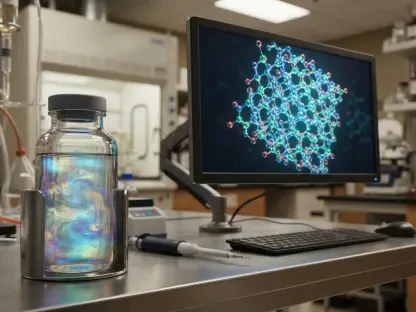
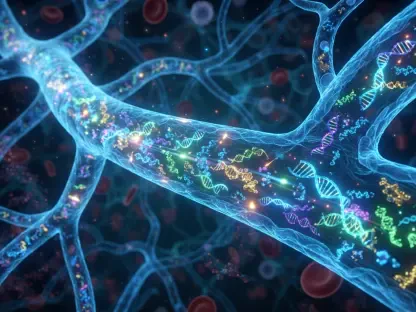
The technical backbone of this framework lies in its ability to synchronize epigenomics, proteomics, and metabolomics into a single narrative. While traditional tests might only look at one aspect of health, this approach examines the chemical modifications of DNA and the thousands of proteins circulating in the blood. Furthermore, the inclusion of metagenomics allows for an analysis of the gut microbiome, which is increasingly recognized as a primary driver of systemic resilience or frailty.
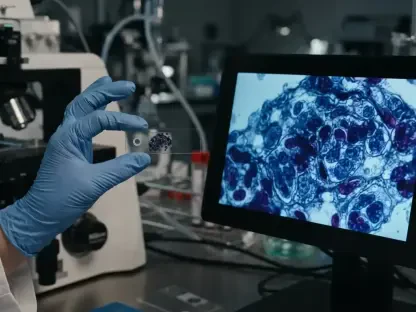
This depth is what separates untargeted discovery methods from traditional assessments. Rather than searching for known markers, researchers use these tools to uncover entirely new biological pathways involved in aging. By analyzing lipidomics and immune phenotyping alongside standard metrics, the framework captures the nuanced shifts in cellular health that occur long before a disease manifests.
AI-Driven Computational Integration
Processing the massive, heterogeneous datasets generated by omics research requires more than just human oversight; it demands sophisticated machine learning. The “hub-and-spoke” model, exemplified by the IISc, creates a centralized system where biobanking and data synthesis happen in tandem. This structure ensures that information from rural and urban settings is unified, allowing AI to identify patterns that would be invisible to localized studies.
These computational models are used to build “biological clocks” that recalibrate a person’s chronological age. By comparing molecular signatures against vast databases, the AI can determine if an individual is aging faster or slower than average. This quantitative approach turns subjective feelings of health into objective data points that can be tracked and managed.
Latest Developments: Innovations in Longevity Science
A significant shift is currently occurring toward longitudinal infrastructure, where aging trajectories are tracked over years rather than through a single snapshot. This allows scientists to see how specific interventions, such as diet or medication, actually alter the molecular signature of an individual over time. Moreover, the emergence of population-specific benchmarks is correcting long-standing geographic and ethnic biases, making longevity science applicable to everyone, not just specific demographics.
Innovation has also reached the sampling phase, with a move toward non-invasive techniques. Instead of requiring frequent, painful blood draws, new models are integrating data from cheek swabs and hair analysis. These methods make it easier to conduct large-scale monitoring without disrupting the daily lives of participants, significantly increasing the volume of data available for refining these aging models.
Real-World Applications: Industry Impact
In the realm of precision medicine, these signatures enable doctors to move beyond “one-size-fits-all” treatments. By predicting risk factors early, healthcare providers can implement personalized intervention strategies that target the specific biological weaknesses of a patient. This proactive stance shift the focus from treating the elderly to maintaining health throughout the entire lifespan, potentially reducing the burden on global healthcare systems.
The pharmaceutical industry is also leveraging this technology to identify novel drug targets. By understanding which molecular pathways are most associated with rapid decline, companies can develop therapies that specifically slow down the aging process. Furthermore, public health officials are using these insights to identify how socioeconomic stressors, such as pollution or poor nutrition, accelerate biological aging in specific communities, leading to more informed policy decisions.
Challenges: Technical and Ethical Hurdles
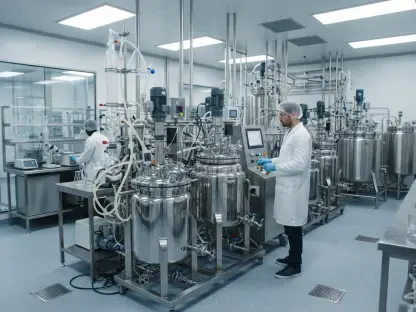
Despite the promise, significant obstacles remain in data standardization. Collecting samples like blood, urine, and stool involves different protocols, and merging this data into a cohesive model is computationally expensive. There is also the persistent issue of data privacy. As biobanking efforts scale up, ensuring the anonymity and security of genetic information becomes a primary concern for regulators and participants alike.
The complexity of modeling the interplay between nutrition, infection, and molecular aging cannot be understated. Every individual’s history of illness and their unique diet adds a layer of noise to the data. Untangling these variables to find a “pure” aging signature requires immense processing power and refined algorithms, which may limit the accessibility of these tools in less-developed regions.
Future Outlook: The Long-Term Trajectory
The next frontier for this technology involves real-time biological age monitoring through wearable devices. Imagine a future where a smartwatch doesn’t just track steps, but also provides a live update on cellular stress levels via rapid-omics sensors. This shift from reactive healthcare to a resilience-based model could fundamentally change how society views aging, making it something to be managed rather than feared.
Inclusive global datasets will play a vital role in ensuring that future anti-aging therapeutics are effective for all of humanity. As the technology matures, the focus will likely shift from merely extending life to maximizing “healthspan”—the period of life spent in good health. By identifying the signatures of resilience, science may finally unlock the secrets to a high quality of life well into the centenarian years.
Summary and Conclusion
The transition toward multi-modal aging signatures represented a departure from static clinical snapshots toward a dynamic, discovery-based understanding of human biology. This review explored how the integration of diverse omics data and artificial intelligence created a more inclusive and accurate picture of the aging process. Researchers moved beyond traditional metrics to develop tools that account for environmental and genetic diversity, effectively dismantling the Western-centric limitations of previous models.
The path forward required a sustained commitment to data standardization and the ethical management of biobanking. As these technologies integrated into daily health monitoring, they provided the necessary framework for a proactive healthcare revolution. Ultimately, the insights gained from these molecular signatures paved the way for universal longevity strategies, ensuring that the benefits of precision medicine reached global populations regardless of their geographic or socioeconomic status.