
In the rapidly evolving landscape of cardiovascular epidemiology, the long-standing mantra of "lower is better" regarding cholesterol is facing a significant scientific re-evaluation. Recent large-scale longitudinal data involving nearly half a million participants has revealed that the
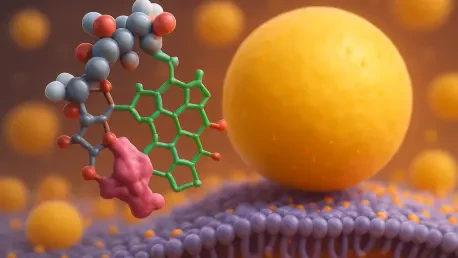
Scientists have finally pioneered a way to smuggle potent metabolic medicine directly into cells, effectively bypassing the dangerous systemic side effects that have historically stalled pharmaceutical progress. This breakthrough centers on a sophisticated "Trojan horse" delivery system that

Every year on April 25, the global scientific community pauses to recognize DNA Day, a date that marks the monumental publication of the double-helix structure in 1953 and the triumphant completion of the Human Genome Project in 2003. For the researchers at The Institute of Cancer Research (ICR),
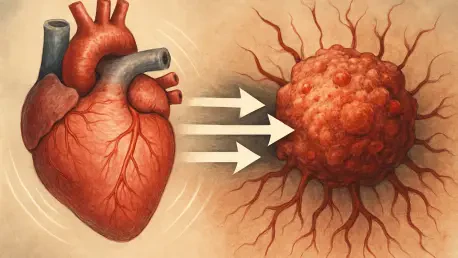
While cancer aggressively invades almost every organ within the human anatomy, the human heart possesses a unique and formidable resistance that has baffled the scientific community for decades. Despite its constant exposure to the entire blood supply and its high metabolic activity, primary
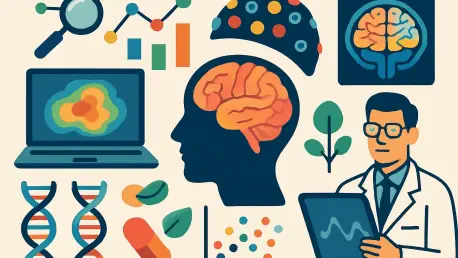
Psychiatry’s most stubborn blind spot—objective tests that match the precision of cardiology or oncology—met a serious contender that stitched brain imaging, electrical rhythms, gut microbes, blood chemistry, and lived behavior into one accountable operating system for care. The technology under

For a disease that quietly affects nearly half a million Americans each year, a precision antibiotic that erases Borrelia burgdorferi while leaving the microbiome intact would shift Lyme treatment from blunt-force regimens to targeted, durable care that preserves health far beyond the infection