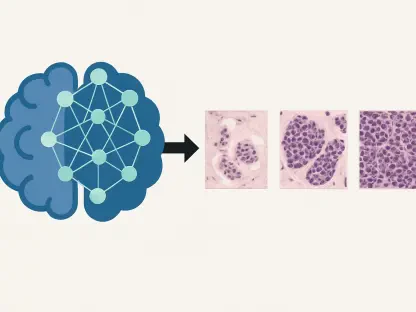

Monitoring the skewed B-cell repertoires of patients with Systemic Lupus Erythematosus offers a non-invasive way to track disease flares and the efficacy of immunosuppressive treatments, representing a critical part of a larger movement in 2026 toward precision immunogenomics. The medical community is moving away from generic treatments in favor of strategies tailored to an individual’s unique immune signature. For years, the gold standard for understanding immune activity was bulk RNA sequencing, which provided a helpful but ultimately limited view of gene expression across mixed cell populations. While these snapshots offered clues about inflammation or infection, they lacked the resolution required to see the specific T-cell and B-cell receptors driving those responses. By utilizing next-generation sequencing to profile the immune repertoire, researchers can now reconstruct the vast diversity of receptors that the body uses to recognize an almost infinite array of threats. This evolution has turned routine transcriptomic data into a dynamic map of an individual’s immunological history, allowing clinicians to observe how immune clones expand, evolve, and sometimes malfunction. As these high-resolution tools become more integrated into clinical workflows, they are fundamentally changing our ability to diagnose complex conditions, monitor vaccine responses, and manage chronic diseases with a level of accuracy that was previously unattainable.
Structural Complexity: The Genetic Drivers of Adaptive Immunity
The foundational strength of the adaptive immune system lies in the structural diversity of T-cell receptors (TCRs) and B-cell receptors (BCRs). These proteins are generated through a specialized process known as somatic recombination, where variable, diversity, and joining gene segments are shuffled to create a unique receptor for each cell. T-cell receptors are primarily responsible for identifying intracellular threats, such as viruses or mutated cancer proteins, by recognizing small peptide fragments presented on the surface of other cells via the major histocompatibility complex. The most critical part of this interaction occurs at the complementarity-determining region 3 (CDR3), which is the most hypervariable loop of the receptor. By sequencing the CDR3, scientists can identify specific “clonotypes” that have expanded to fight a particular disease. This high level of specificity allows for the detection of rare immune cells that might be missed by traditional diagnostic methods, providing a clear window into the cellular arm of the immune response and its ability to distinguish between self and non-self.
In contrast, B-cell receptors function as membrane-bound antibodies that can bind directly to a wide variety of native antigens, including proteins, lipids, and sugars. Unlike T-cells, B-cells undergo an additional layer of diversification known as somatic hypermutation, which occurs after the cell has been activated by an antigen. This process allows the B-cell to refine its receptor through iterative mutations, effectively “tuning” the antibody to bind more tightly to its target over time. Profiling the BCR repertoire is therefore essential for tracking the maturation of the antibody response, whether in the context of a natural infection or the response to a new vaccine candidate. Understanding these structural nuances is the first step in using repertoire data to design more effective therapies. For instance, by observing the mutation patterns in B-cells, researchers can identify the most potent neutralizing antibodies and use them as templates for synthetic monoclonal antibody treatments, bridging the gap between natural immunity and pharmaceutical innovation.
Nucleic Acid Selection: Stability Versus Functional Insight
A pivotal technical decision in any repertoire study is the selection of the starting genetic material, as the choice between genomic DNA (gDNA) and messenger RNA (mRNA) dictates the type of information that can be extracted. Genomic DNA is often the preferred choice for researchers who require biochemical stability and quantitative precision. Because every T or B cell contains a fixed number of rearranged receptor genes, sequencing gDNA provides a direct one-to-one correlation between the number of sequence reads and the number of physical cells in a sample. This makes gDNA the ideal substrate for measuring the absolute abundance of different clones or calculating the total diversity of an individual’s immune system. It is particularly useful in oncology for detecting minimal residual disease, where finding even a single cancerous clone among millions of healthy cells is critical. However, gDNA provides a static view; it shows which cells are present in the body but cannot reveal whether those cells are actively fighting a pathogen or are in a dormant, non-functional state.
To capture the active state of the immune system, clinicians and researchers increasingly utilize mRNA or its reverse-transcribed counterpart, complementary DNA (cDNA). When an immune cell is actively responding to a stimulus, such as a viral infection or a tumor, it significantly increases the transcription of its receptor genes. Sequencing these transcripts provides a functional snapshot of the immune system’s current priorities, highlighting the clones that are actually performing the defense. This approach is highly effective in acute clinical settings where understanding the immediate immune response is more important than knowing the total historical diversity. While RNA is inherently more fragile and prone to degradation compared to DNA, advancements in single-cell technology and sample preservation in 2026 have largely mitigated these concerns. The primary challenge with RNA-based sequencing is expression bias, as a few hyperactive cells might produce a disproportionate amount of genetic material. Nevertheless, with sophisticated normalization techniques, transcriptomic profiling remains the most powerful way to assess the functional vigor of a patient’s adaptive immunity.
Sequencing Resolution: The Trade-Off Between Depth and Detail
The depth and breadth of a sequencing strategy are determined by specific clinical or research goals, often forcing a choice between targeting the hypervariable CDR3 region or sequencing the full-length receptor chain. Focusing exclusively on the CDR3 is a highly efficient and cost-effective method for identifying unique clones and tracking their frequency over time across a large population. This “fingerprinting” approach is sufficient for many diagnostic purposes, such as identifying a dominant leukemia clone or monitoring the diversity of a patient’s T-cell pool during a routine health check. However, full-length sequencing is becoming increasingly important for the functional characterization of receptors. To understand how a receptor truly interacts with its target, researchers need the full sequence, including the CDR1 and CDR2 regions, which contribute to binding stability. This complete genetic information is essential for therapeutic applications, such as the development of chimeric antigen receptor (CAR) T-cells, where the entire receptor must be synthesized and inserted into a patient’s cells to treat specific cancers.
The resolution of immune data is further defined by the choice between bulk and single-cell sequencing methodologies. Bulk sequencing involves pooling the genetic material from millions of cells, which allows for immense depth and the ability to detect extremely rare clones at an affordable cost. However, because the material is mixed, the natural pairing of receptor chains—such as the alpha and beta chains in a T-cell—is lost, making it difficult to determine the exact target of a receptor. Single-cell sequencing has solved this problem by isolating individual cells, allowing researchers to sequence both chains of a receptor simultaneously while also recording the cell’s overall gene expression profile. This provides a holistic view of each cell, revealing not only what it is programmed to recognize but also its functional state, such as whether it is actively killing a target or has become exhausted. While single-cell methods currently have a higher cost and lower throughput than bulk sequencing, their ability to provide the “ground truth” of immune interaction makes them the gold standard for deep mechanistic studies and personalized therapy design.
Computational Architectures: Converting Raw Sequences into Clinical Data
Processing the massive amounts of data generated by next-generation sequencing requires advanced bioinformatics pipelines that can accurately align, assemble, and quantify millions of genetic reads. In 2026, tools like MiXCR and TRUST4 have become the industry standard, allowing researchers to extract detailed immune profiles even from standard RNA-seq data that was not originally intended for repertoire analysis. These platforms compare raw sequence reads against international databases of germline genes, identifying the specific genetic components used by each immune cell. This computational step is vital because it converts a list of millions of A, T, C, and G nucleotides into a structured report of an individual’s immune clones. The speed and accuracy of these tools have improved significantly, enabling the rapid turnaround of results in clinical settings where time is of the essence. By automating the identification of receptor sequences, these pipelines have made it possible for hospitals and diagnostic labs to integrate immune profiling into their standard diagnostic toolkits.
Once the sequences are identified, researchers use ecological and mathematical metrics to interpret the health of the immune system. Metrics such as Shannon Entropy and the Simpson Index are employed to measure the diversity and evenness of the repertoire. A healthy, resilient immune system typically displays high diversity, meaning it has a wide variety of different clones ready to tackle any potential threat. Conversely, a loss of diversity or the sudden dominance of a few specific clones—a state known as oligoclonality—is often a red flag for medical professionals. This pattern can indicate an ongoing autoimmune attack, a chronic viral infection, or the early stages of a blood cancer. By translating complex genetic data into these intuitive metrics, clinicians can objectively monitor a patient’s immune status over time. This quantitative approach allows for more precise tracking of disease progression and provides a clear, data-driven way to evaluate how well a patient is responding to treatments that target or modulate the immune system.
Clinical Integration: Personalized Care and Next Steps
The integration of immune repertoire profiling into clinical oncology has already redefined the management of patients undergoing immunotherapy. Checkpoint inhibitors, which work by releasing the brakes on the immune system to allow T-cells to attack tumors, have shown remarkable success, but they do not work for everyone. Repertoire profiling provides a vital biomarker for predicting who will benefit from these treatments. Patients with a more diverse T-cell repertoire before therapy often have better outcomes, as their immune systems possess a broader library of cells that might recognize tumor mutations. Furthermore, by utilizing liquid biopsies to sequence immune receptors from a simple blood draw, doctors can monitor the expansion of tumor-reactive clones in real time. If the expected immune response does not materialize shortly after treatment begins, clinicians can pivot to alternative therapies much earlier than was possible with traditional imaging techniques. This shift toward proactive, data-informed decision-making is significantly improving survival rates and reducing the time patients spend on ineffective treatments.
In the past, the high cost of sequencing and the complexity of data analysis limited immune profiling to specialized research centers, but the rapid advancements in 2026 have moved these tools into the clinical mainstream. Actionable next steps for the medical community include the development of standardized global databases to share immune signatures, which will enhance the ability to identify public clones effective against emerging pathogens or common cancers. There is also a growing emphasis on multi-omic integration, where repertoire data is combined with protein and epigenetic information to provide an even more comprehensive view of patient health. The development of machine learning models that can predict a receptor’s target based solely on its sequence is another promising frontier that will likely eliminate the need for slow and expensive laboratory binding assays. Moving forward, the goal is to establish routine immune health screenings that can detect the earliest signs of immune dysfunction, allowing for interventions long before clinical symptoms appear. This transition marks the beginning of an era where the immune system is no longer a mystery but a readable and actionable source of medical intelligence.