
Monitoring biological age through specific protein biomarkers offers a new pathway for creating personalized survivorship care plans that go beyond cancer remission. This revelation comes from a significant study conducted by researchers at Georgetown University’s Lombardi Comprehensive Cancer Center, illustrating that while modern medicine has conquered many aspects of oncology, the cure itself may initiate a secondary physiological challenge. Scientists observed that life-saving chemotherapy regimens for breast cancer inadvertently accelerate the body’s internal biological clock, pushing survivors into a state of premature physical decline. By focusing on the delicate balance between eradicating malignant cells and maintaining systemic integrity, the investigation provides a sobering look at the molecular trade-offs inherent in aggressive treatments. As medical professionals celebrate the increasing rates of cancer remission, this data underscores a growing need to address the long-term biological legacy left behind by chemotherapy on healthy human tissues.
The Lasting Impact: Measuring the Biological Toll
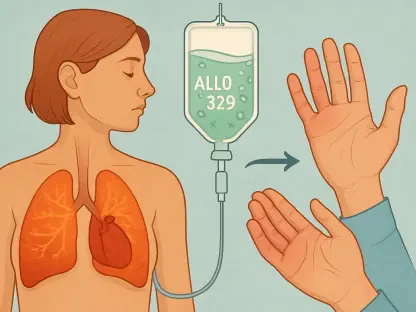
The success of oncology over the last few decades is undeniable, with approximately 18 million cancer survivors currently living in the United States. However, the victory over the disease often carries a heavy biological price that manifests years after the final dose of treatment is administered. Chemotherapy is inherently cytotoxic, meaning its primary function is to destroy rapidly dividing cells, yet this process does not discriminate perfectly between malignant and healthy tissues. This lack of specificity leads to unavoidable molecular damage that accumulates within the body’s vital systems. Rather than resolving once the chemicals are cleared from the bloodstream, this damage initiates a chronic biological response that mimics the natural aging process but at a significantly faster rate. Consequently, survivors may experience a decline in physical and cognitive functions that are usually reserved for individuals many years their senior, creating a gap between their actual and biological age.
Exploring the mechanics of this phenomenon reveals that the acceleration of aging is not a uniform experience but varies based on the intensity and duration of the chemotherapy utilized. Modern regimens have been optimized for maximum efficacy in tumor reduction, which has inadvertently increased the systemic stress placed on the patient’s underlying physiology. While the immediate goal of treatment is to ensure the patient survives the initial diagnosis, the research suggests that we must now account for the “healthy life years” that may be sacrificed in the process. This concept shifts the focus from mere survival to the quality of that survival, highlighting the systemic vulnerabilities that emerge from chemotherapy-induced cellular stress. By recognizing these risks, the medical community can begin to reassess how post-treatment care is structured, ensuring that the triumph over cancer does not lead to a subsequent struggle with early-onset geriatric conditions or other chronic illnesses.
Cellular Senescence: The Drivers of Premature Frailty
At the molecular level, the primary driver of this accelerated aging is a phenomenon known as cellular senescence. When healthy cells are exposed to the damaging effects of chemotherapy, they often enter a “senescent” state where they permanently cease to divide to prevent the propagation of genetic errors. While this is a protective mechanism against cancer, these cells do not die; instead, they persist as metabolically active “zombie cells.” These lingering cells secrete a variety of bioactive molecules, including pro-inflammatory cytokines and growth factors, which create a toxic microenvironment for the surrounding healthy tissues. This chronic, low-grade inflammation, often termed “inflammaging,” degrades the functional capacity of organs and contributes to the rapid advancement of the biological clock. The accumulation of these cells acts as a persistent internal stressor, ensuring that the physiological damage from the treatment remains active long after the cancer is gone.
To quantify the extent of this cellular damage, researchers have turned to specific biomarkers, most notably the p16 protein, which serves as a reliable indicator of cellular senescence levels. High concentrations of p16 in the blood are directly correlated with an advanced biological age and increased susceptibility to age-related pathologies. By tracking this protein, investigators can predict a patient’s health trajectory and identify those at the highest risk for developing physical frailty or cognitive impairments earlier than expected. The study utilized this benchmark to demonstrate how different chemotherapy protocols influence the rate of p16 accumulation, providing a clear link between clinical intervention and biological outcome. This methodology allows for a more precise understanding of why two patients of the same chronological age might have drastically different recovery experiences. Understanding these molecular markers is the first step toward developing targeted therapies that can neutralize the effects of senescent cells.
Advanced Simulation: Predicting Long-Term Health Outcomes
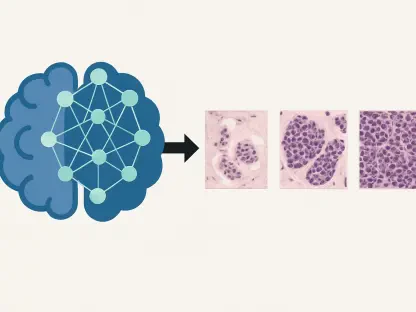
To gain a comprehensive understanding of how these biological changes manifest across large populations, the research team employed the Cancer Intervention and Surveillance Modeling Network framework. This sophisticated mathematical modeling tool allowed scientists to simulate the life trajectories of women between the ages of 30 and 79 who had undergone various breast cancer treatments. By integrating empirical data with complex algorithms, the model could estimate the long-term impact of chemotherapy on overall vitality and the premature emergence of chronic conditions. This approach provided a clear visualization of how the immediate benefits of cancer eradication could be offset by an increased risk of mortality from non-cancer causes, such as cardiovascular disease or organ failure. The simulation results emphasized that the biological cost of treatment is not just a theoretical concern but a tangible factor that can shorten the period of healthy life for millions of cancer survivors across the nation.
The use of population-level modeling further highlighted the disparity between chronological age and biological health in the context of oncological recovery. By comparing different chemotherapy intensities, the study demonstrated that more aggressive treatments significantly increased the likelihood of a survivor developing geriatric syndromes decades before their peers. This insight is particularly relevant in 2026, as the survivor population continues to age and place unique demands on the healthcare system. The ability to predict these outcomes through simulation provides a powerful tool for policymakers and clinicians to allocate resources and design interventions that target the most vulnerable groups. Moreover, this modeling framework established a baseline for future research into other therapeutic modalities, including immunotherapy and targeted molecular treatments. By moving beyond individual case studies to population simulations, the medical community gained a clearer perspective on the collective biological impact of current cancer care standards.
Clinical Strategies: Preserving Vitality After Remission
Despite the challenges presented by accelerated aging, the findings of this research were not intended to discourage the use of chemotherapy, which remains a cornerstone of successful cancer treatment. Instead, the study provided a roadmap for developing personalized survivorship care plans that specifically address the unique biological needs of each individual. One of the most promising avenues for intervention involved the use of senolytic drugs, which were designed to selectively eliminate senescent cells from the body. By clearing these “zombie cells,” it might be possible to reduce systemic inflammation and potentially slow or even reverse some aspects of the biological aging process. Additionally, structured physical exercise and nutritional interventions were identified as critical components in mitigating treatment-induced damage. These non-pharmacological approaches helped improve cellular health and boosted the body’s resilience against the long-term side effects of cytotoxic therapies, offering a multifaceted defense for survivors.
Looking back at the implementation of these findings, healthcare providers successfully integrated biomarker monitoring into standard post-cancer follow-ups. This transition allowed for the early identification of survivors at risk for frailty, enabling proactive measures that preserved their functional independence and cognitive health. The medical community also expanded its research efforts to evaluate the aging impacts of newer therapies, ensuring that the evolution of cancer care remained focused on long-term wellness. By prioritizing the health of the “whole patient” rather than just the absence of disease, clinicians established a new paradigm in survivorship that emphasized vitality over mere survival. These efforts ultimately transformed the recovery process into a proactive management of biological health, ensuring that the years added to a survivor’s life were characterized by strength and quality. This shift in perspective fostered a deeper collaboration between oncology and geriatrics, paving the way for a more holistic approach to human health.