
The diagnosis of a rare neurodegenerative condition often leaves families in a state of profound uncertainty as they navigate a medical landscape with few answers and even fewer treatment options. For David Booth, a retired builder from the United Kingdom, the journey began not with a sudden collapse but with a subtle erosion of physical capabilities and speech that initially confounded medical professionals. This specific condition, known as Progressive Supranuclear Palsy, or PSP, affects approximately 3,000 individuals across the United Kingdom and is frequently misidentified as more common ailments like Parkinson’s disease or early-onset dementia. Despite the grim reality of a diagnosis that currently lacks a cure, a new international clinical trial is offering a flicker of hope to those caught in the shadow of this aggressive illness. By focusing on underlying biological mechanisms rather than just managing symptoms, researchers are now attempting to rewrite the prognosis for thousands of patients globally through rigorous scientific investigation. This landmark study marks a pivotal moment in neurology as teams across continents unite to confront a disease that has long remained in the periphery of medical research.
The Biological Complexity of Atypical Parkinsonism
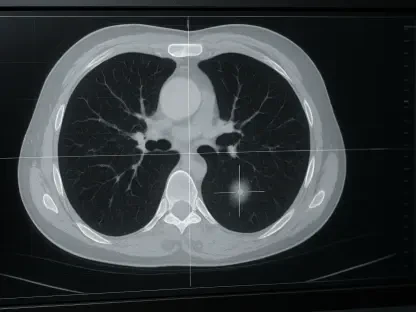
Progressive Supranuclear Palsy is classified as an atypical parkinsonian disorder, a category of diseases that share some characteristics with Parkinson’s but possess distinct and often more aggressive pathologies. The primary culprit in PSP is the abnormal accumulation of the tau protein within the brain, which leads to the formation of toxic clumps that eventually destroy vital nerve cells. While Parkinson’s is typically identified by tremors, PSP patients often present with significant balance issues, frequent unexplained falls, and a characteristic difficulty in controlling eye movements. These nuances make the disease incredibly difficult to identify in its early stages, as was the case for David Booth, whose family initially attributed his speech struggles and physical decline to recovery from previous surgeries or general aging. It was only after a consultation with a specialist neurologist and a detailed MRI scan in May 2023 that the true nature of his condition was finally unmasked.
The impact of such a diagnosis is staggering, as the average life expectancy for a patient with PSP is generally cited as only seven years from the onset of symptoms. Because the disease affects the brainstem and other regions responsible for motor control and cognitive function, patients often require multidisciplinary care involving physiotherapy and speech therapy just to maintain a basic quality of life. Current medical protocols are largely limited to these palliative measures, as no approved pharmacological intervention exists that can effectively halt or even slow the degeneration of neural tissue. The lack of visible tremors, combined with the rarity of the condition, means that many patients suffer through years of misdiagnosis before receiving the specialized attention they require. This diagnostic delay further complicates the window for intervention, highlighting the urgent need for more sensitive biomarkers and a greater awareness within the primary care community regarding atypical neurological presentations.
Strategic Innovations in Neurological Clinical Trials
In response to the stagnation of traditional treatment paths, the NIHR Southampton Clinical Research Facility has taken a leading role in a global effort to test a promising new therapeutic agent. Under the direction of Dr. Boyd Ghosh, a consultant neurologist, this study is part of an expansive international initiative involving more than 200 participants aged 50 to 80 across the United States and Europe. The trial specifically investigates a drug designed to inhibit the clumping of tau proteins, which is believed to be the fundamental driver of cell death in the brain. By targeting the protein at its molecular source, the research team hopes to demonstrate that it is possible to preserve cognitive and motor functions that would otherwise be lost to the disease. This shift from symptomatic relief to disease-modifying therapy represents a critical evolution in how neurologists approach rare brain disorders, moving toward a future where a diagnosis is no longer considered an inevitable death sentence.
The methodology of the trial is rooted in rigorous scientific standards, utilizing a double-blind, placebo-controlled framework to ensure that the results are both objective and statistically significant. Participants like David Booth are required to take a tablet three times daily for the duration of one year, while neither the patients nor the medical staff monitoring them are aware of who is receiving the active medication. This level of control is essential for filtering out the placebo effect and determining the true efficacy of the experimental drug in a real-world clinical setting. Regular assessments are conducted to track changes in speech, balance, and eye movement, providing a comprehensive data set that will eventually be analyzed on a global scale. The logistical complexity of coordinating such a study across multiple countries is immense, yet it remains the only viable path for gathering enough data on a rare condition like PSP to draw definitive conclusions that could lead to widespread regulatory approval.
Empowering Patients and Shaping Future Outcomes
The success of these medical breakthroughs depends heavily on the proactive involvement of patients who are willing to navigate the risks and uncertainties of experimental science. David Booth’s decision to participate was driven by a steadfast refusal to accept a passive role in his own decline, leading him to research clinical trials independently and contact Dr. Ghosh directly. His philosophy of “nothing ventured, nothing gained” underscores a vital shift in patient advocacy, where individuals with rare diseases view themselves as active partners in the research process rather than mere subjects. This collaborative approach is essential for advancing neurology, as the data provided by today’s trial participants forms the bedrock of tomorrow’s standard of care. Even when a specific trial did not result in a personal cure, it contributed indispensable knowledge regarding the safety and behavior of new drugs, effectively narrowing the search for a successful intervention and providing a roadmap for future researchers.
Looking toward the next phases of neurological research, the integration of genetic screening and early-intervention strategies became a primary focus for clinicians. Medical institutions moved to establish more robust support networks that connected newly diagnosed patients with ongoing research opportunities as soon as symptoms appeared. It was recommended that healthcare providers prioritize early referral to specialist centers where advanced imaging and clinical trials were more readily available to the public. Furthermore, the global collaboration seen in the PSP study served as a model for addressing other rare neurological conditions that lacked sufficient patient populations in any single country. By centralizing data and standardizing protocols, the medical community accelerated the pace of discovery, ensuring that the insights gained from David’s participation translated into actionable therapies. These efforts collectively ensured that the burden of rare brain diseases was met with a unified, sophisticated, and ultimately effective scientific response.