
Recent breakthroughs in genomic analysis have fundamentally altered how clinicians perceive the origins of Amyotrophic Lateral Sclerosis (ALS), a condition traditionally viewed through the narrow lens of neurochemistry alone. This devastating neurodegenerative disease causes the progressive death

The medical landscape underwent a seismic shift recently when the Christie NHS Foundation Trust and the Royal Marsden launched the ZI-MA4-1 clinical trial, marking a pivotal moment for patients diagnosed with advanced solid tumors that have resisted standard treatments. For individuals like Tracy

Many individuals who undergo genetic screening for the BRCA1 and BRCA2 genes walk away from a negative result with a profound sense of relief, assuming their lifetime risk of developing breast cancer has finally aligned with that of the general population. However, recent scientific findings from a

The pharmaceutical industry is currently witnessing a profound shift as genetic medicine transitions from theoretical promise into tangible, life-altering therapies for millions of patients. At the center of this transformation is Wave Life Sciences, a company that has strategically pivoted from

The quest to discover therapeutic agents capable of modulating the most intricate protein-protein interactions has long been hindered by the inherent limitations of conventional molecular design. In August 2026, Receptor.AI and Sethera Therapeutics officially launched a strategic alliance designed
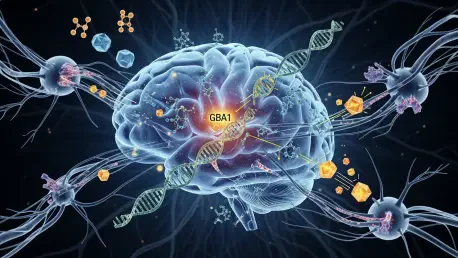
The long-standing medical consensus that Parkinson’s disease is a uniform disorder defined primarily by dopamine loss is currently being dismantled by genetic insights that reveal a complex array of molecularly distinct conditions. This shift in understanding has prompted a significant move toward