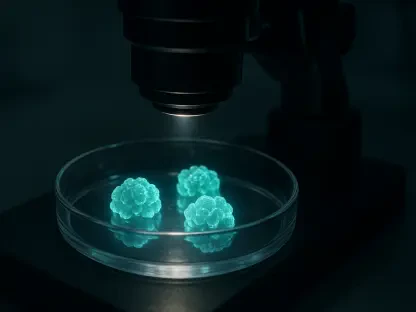

The core architecture of a chimeric antigen receptor relies on a single-chain variable fragment linked to intracellular signaling components that ignite T cell proliferation. As the pharmaceutical industry entered the second half of the current decade, the shift from experimental novelty to foundational standard of care became undeniable. By the start of 2026, the regulatory framework expanded to accommodate a diverse array of cellular products, streamlining the path for therapies that once faced years of scrutiny. This growth was not limited to Western markets; international cooperation led to a surge in multi-center trials across the globe. Today, the clinical environment is defined by an aggressive expansion into chronic and refractory conditions. Success in hematological cancers provided the necessary proof of concept, allowing bioengineers to refine the underlying technology for broader use. The focus transitioned from mere survival to quality of life and long-term surveillance. Consequently, the maturation of CAR-T therapy represents one of the most significant leaps in precision medicine seen in recent history, setting a precedent for how genetic diseases might be approached.
Structural Evolution: Building the Next Generation
The efficacy of modern chimeric antigen receptor designs stems from their ability to bypass traditional immune recognition constraints. Unlike natural T cells, which must identify antigens presented by the Major Histocompatibility Complex, engineered cells utilize synthetic receptors to lock onto surface proteins directly. This direct binding mechanism effectively strips cancer cells of their ability to hide behind downregulated presentation pathways. Once the binding occurs, the internal signaling cascade mimics a natural infection response, prompting the T cell to enter a state of rapid expansion and cytotoxicity. The primary signal is usually delivered through the CD3-zeta chain, but the inclusion of secondary signals has proved vital for preventing early cell death. By mimicking the natural costimulation process, these engineered units maintain a high metabolic rate, allowing them to exert pressure on the malignancy for extended periods. This fundamental shift in how the immune system interacts with a target has redefined the boundaries of what is considered a treatable cancer.
Generational improvements in receptor architecture have further enhanced the durability of these “living drugs.” While early versions struggled with persistence, the second and third generations introduced costimulatory domains such as CD28 or 4-1BB, which provided the necessary fuel for sustained activity. In 2026, the industry is witnessing the widespread adoption of fourth and fifth-generation designs. These “armored” cells are frequently engineered to secrete specific cytokines, such as IL-12 or IL-15, which serve to modify the surrounding tissue environment and recruit other immune components. Some advanced models now incorporate cytokine receptor fragments that provide a constant survival signal through the JAK-STAT pathway, ensuring the T cells do not vanish after the initial encounter with the tumor. These structural refinements have moved the field beyond simple cell killing, turning the engineered T cell into a sophisticated, self-sustaining modular platform capable of complex decision-making within the human body.
Clinical Safety: Mitigating Adverse Events
The rapid expansion of CAR-T applications necessitated a more nuanced approach to managing systemic toxicities. Cytokine Release Syndrome remains the most frequent challenge, characterized by a massive surge of inflammatory markers like IL-6 and interferon-gamma. When the engineered cells engage a high volume of tumor targets, the resulting immune storm can lead to high fevers and vascular instability. To address this, clinical centers have standardized the use of IL-6 receptor blockers and corticosteroids, but the current focus has shifted toward prevention through genetic engineering. Researchers are now developing cells with dampened inflammatory profiles, utilizing small hairpin RNA to silence the genes responsible for the most dangerous cytokine surges. By decoupling the therapeutic killing effect from the systemic inflammatory response, clinicians have been able to treat a broader range of patients, including those who were previously considered too frail for intensive immunotherapy.
Neurotoxicity, often referred to as Immune Effector Cell-Associated Neurotoxicity Syndrome, presents a different set of obstacles that require specialized monitoring. This condition often manifests as cognitive impairment or seizures, driven by the activation of brain endothelial cells and the subsequent breach of the blood-brain barrier. In response, modern engineering strategies have introduced “safety switches” that allow for the controlled elimination of the CAR-T cells if neurological symptoms exceed a specific threshold. These inducible suicide genes, such as the caspase-9 system, act as a fail-safe, providing a level of control that was absent in earlier iterations. Additionally, some labs are testing transient CAR expression using messenger RNA, ensuring the cells only remain active for a few days. This temporary activity window provides a layer of safety for high-risk targets where long-term persistence might lead to “on-target, off-tumor” damage to healthy brain or lung tissue, further refining the safety profile.
Solid Tumors: Breaching the Fortress
The transition from treating liquid cancers to solid tumors has been described as moving from an open battlefield to a fortified bunker. Solid malignancies create a hostile microenvironment characterized by dense physical barriers and metabolic roadblocks that exhaust immune cells before they can reach the target. High levels of acidity and low oxygen concentrations in the tumor core effectively “switch off” the T cell’s metabolic machinery. To counter this, newer CAR-T designs are equipped with enzymes like heparanase to digest the extracellular matrix, allowing the cells to physically penetrate deeper into the tumor mass. Furthermore, metabolic engineering has allowed these cells to utilize alternative energy sources, such as fatty acids, to maintain their function in nutrient-deprived zones. These adaptations are crucial for tackling aggressive cancers of the pancreas, lungs, and brain, where the physical structure of the tumor has traditionally limited the success of systemic treatments.
Antigen heterogeneity remains the final defensive layer for solid tumors, as single-target therapies often leave behind “escapee” cells that do not express the target marker. To prevent this, the industry has pivoted toward logic-gated CAR-T designs, which require the identification of two or more antigens before activation. These “AND” gates ensure that the therapy only attacks cells that possess a specific combination of markers, significantly reducing the risk of damaging healthy organs that might share a single antigen. Conversely, “OR” gates allow the T cell to kill if it finds either of two targets, making it much harder for the tumor to evolve and hide through antigen loss. By combining these advanced computational logic circuits with checkpoint inhibitors that shield the T cells from suppressive signals, researchers are finally seeing consistent responses in tumor types that were once considered untouchable by cellular medicine, marking a significant milestone in 2026.
Persistence and Potency: Fighting Cellular Fatigue
One of the most persistent hurdles in cellular therapy is the phenomenon of T cell exhaustion, where the engineered units become progressively less effective due to chronic antigen exposure. This state of dysfunction is governed by specific epigenetic programs and the expression of inhibitory receptors like PD-1 and TIM-3. When a CAR-T cell remains in a high-antigen environment for too long, it essentially loses its “stemness” and its ability to replicate. To solve this, bioengineers are using CRISPR-based gene editing to knock out the receptors responsible for exhaustion or to overexpress proteins like c-Jun, which has been shown to keep the cells in a highly active, proliferative state. Keeping the cells “young” and capable of self-renewal is essential for providing the long-term surveillance needed to prevent a cancer relapse months or years after the initial infusion.
The manufacturing process itself has also been refined to prioritize cellular quality over sheer quantity. By utilizing specific chemical inhibitors during the laboratory expansion phase, manufacturers can ensure that the final product consists primarily of central memory T cells rather than short-lived effector cells. These memory-like cells are much more durable once they enter the patient’s bloodstream, as they possess a greater capacity for expansion upon encountering a threat. This focus on “cellular fitness” has changed the metrics of success in the lab; it is no longer just about how many cells are made, but how many of them can survive the harsh conditions inside a patient. As the industry moves forward from 2026 to 2028, these enhancements in durability will likely determine which products become the market leaders, as long-term remission becomes the expected outcome rather than a fortunate rarity.
Manufacturing Frontiers: From Lab to Bedside
The high cost and long wait times associated with autologous CAR-T therapy—where each batch is custom-made for one person—have long been a barrier to widespread adoption. To address this, the sector has made significant strides in the development of “off-the-shelf” allogeneic therapies. These products are derived from healthy donors and then genetically modified to ensure they do not cause graft-versus-host disease. By removing the T-cell receptor and MHC molecules using precision editing, scientists have created universal cells that can be stored in a freezer and shipped to any hospital for immediate use. This shift significantly reduces the time from diagnosis to treatment, which is critical for patients with rapidly progressing disease. The move toward centralized, large-scale manufacturing has also begun to lower the price per dose, making these life-saving treatments accessible to a much larger global population.
Perhaps even more transformative is the emergence of in vivo CAR-T generation, a process that bypasses the lab entirely. This technique involves injecting viral vectors or lipid nanoparticles directly into the patient to deliver the genetic instructions for the chimeric receptor. Once inside the body, these delivery vehicles seek out the patient’s own T cells and reprogram them in real-time. This approach turns the human body into its own manufacturing facility, eliminating the need for expensive cleanroom facilities and complex logistics. While this technology was once considered experimental, the progress made by early 2026 has shown that in vivo reprogramming can achieve therapeutic levels of cell activation. As this method matures, it promises to decentralize cellular medicine, allowing even smaller community hospitals to offer advanced immunotherapy as a standard outpatient procedure, effectively democratizing access to high-end genomic medicine.
Refined Strategies: The Path Forward
The integration of synthetic biology into clinical practice reached a decisive turning point where the focus shifted from proving efficacy to optimizing the entire therapeutic ecosystem. Researchers established that the success of cellular reprogramming depended not just on the receptor design, but on the ability to modulate the patient’s underlying immune landscape. The industry pivoted toward combination protocols, pairing CAR-T cells with small-molecule inhibitors and epigenetic modifiers to ensure that the “living drug” remained functional within hostile tissue environments. These efforts were supported by the adoption of real-time monitoring tools that allowed clinicians to track cell expansion and cytokine levels with unprecedented accuracy. By late 2025, the data gathered from global trials provided the evidence needed to move these therapies into earlier lines of treatment, sparing patients from the cumulative toxicity of traditional chemotherapy and radiation.
Clinical success in autoimmune disorders demonstrated that the potential of this technology extended far beyond oncology. The decision to apply B-cell depleting CAR-T cells to refractory cases of lupus and systemic sclerosis yielded results that redefined the concept of medical remission. The industry reacted by launching dozens of new trials targeting various chronic conditions, from multiple sclerosis to heart fibrosis. These developments highlighted the versatility of the CAR-T platform as a tool for precision immune resetting rather than just a weapon for destruction. Actionable insights gained from these studies led to the creation of more modular receptor designs that could be easily swapped to target different cell types. As the medical community moved into the mid-part of the decade, the primary goal became the standardization of these protocols to ensure consistent outcomes across diverse patient populations, cementing the role of cellular engineering as a cornerstone of modern healthcare.