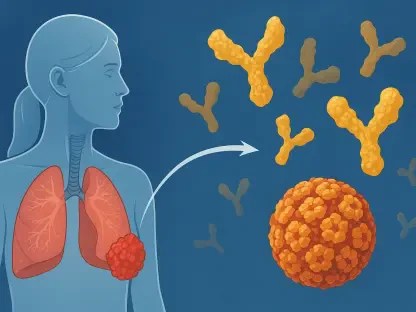

A 14-Month Leap in the Fight Against Metastatic Disease The landscape of oncological care for metastatic HER2-positive breast cancer changed irrevocably this week as the European Commission formally validated a treatment shift that replaces a decade of traditional chemotherapy. This regulatory

In the fight against solid tumors, the structural optimization of cellular organelles may be the necessary step to keep frontline immune soldiers functional. Recent advancements in oncology have shifted focus toward the microscopic architecture of immune cells, particularly through the

The transition to automated systems is less about replacing scientific staff and more about liberating them from the mechanical motions of repetitive bench work. For decades, researchers spent significant portions of their day manually pipetting microvolumes of liquids into 96-well plates, a

The personalized safety profiles generated by this new calculator allow for a more aggressive and effective application of triple-combination drug therapies. For decades, clinicians managing heart failure have walked a precarious tightrope, attempting to maximize life-saving medications without
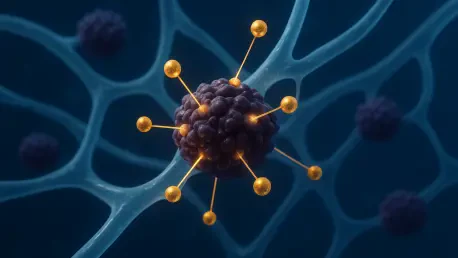
Pharmaceutical experts believe that recalibrating potent immune-modulating drugs for chronic illness requires a deeper analysis of how these cells interact with a non-malignant immune system. This shift represents a significant pivot from the oncology-centric applications that defined early genomic

The engineering of autologous T-cells to express receptors for the Kappa Myeloma Antigen offers a precision-guided approach to treating the second most common blood cancer worldwide. This milestone has been realized through the commencement of the Phase 1 KOALA study, a first-in-human clinical