
International researchers have identified a five-week chemoradiotherapy protocol that allows four out of five patients to avoid major surgery while maintaining their quality of life. This paradigm shift in oncology marks a departure from the traditional approach, where radical excision was

Standard laboratory protocols for washing and preparing harvested stem cells must be modified with pre-warmed solutions to prevent thermal shock in sensitive biological samples. This requirement becomes critically apparent when treating patients with Cold Agglutinin Disease (CAD), a rare autoimmune

Dr. Colleen Clancy is pioneering the use of Optical Digital Twins to bridge the gap between complex biological data and individualized medical interventions. This mission stands at the heart of the Center for Precision Medicine and Data Sciences at UC Davis Health, where the convergence of advanced

Standard quantum optimization methods typically require one qubit for every variable, a demand that quickly exceeds the capacity of current hardware. In the high-stakes world of pharmaceutical research, molecular docking serves as a critical tool for identifying how new drug candidates interact
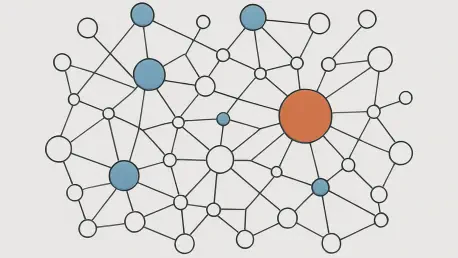
The persistent failure of conventional neuro-oncology treatments to extend median survival beyond eighteen months has catalyzed a profound transition from targeting individual malignant cells to orchestrating the total disruption of the glioma microenvironment. This shift represents more than just

The historical classification of the PVT1 locus as a non-coding region has been overturned by evidence showing it produces functional proteins that dictate the survival of malignant cells. For decades, the oncology community has viewed the MYC gene as the most frustrating obstacle in cancer