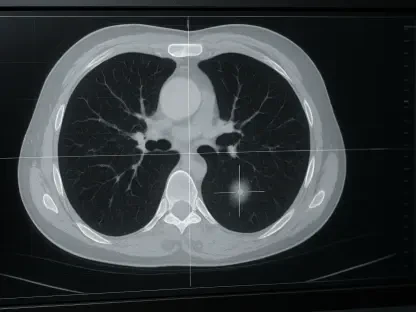
The rapid acceleration of medical breakthroughs in recent years has transformed clinical trials from a last-resort option into a sophisticated avenue for accessing cutting-edge healthcare solutions. These research studies represent the essential bridge between theoretical laboratory discoveries and
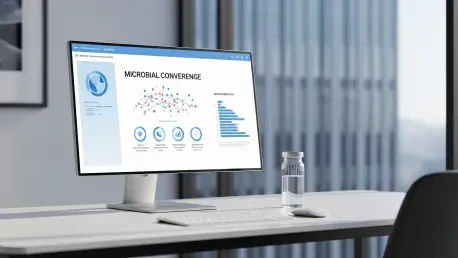
The complexity of the human gut microbiome is so profound that treating it with standard medical protocols often feels like trying to repair a quantum computer with a hammer, yet the advent of deep learning is finally providing the precision required to map these invisible ecological landscapes.
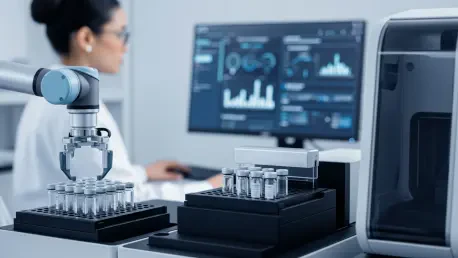
Across the vast and diverse landscapes of the Asia-Pacific region, millions of individuals living with rare diseases have long faced a silent struggle characterized by delayed diagnoses and limited medical resources. The recent establishment of the HGP2 Rare Disease Alliance of the Asia-Pacific
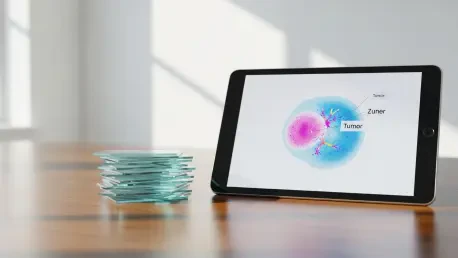
A microscopic glass slide containing a thin slice of tumor tissue has traditionally served as a static window for pathologists to observe cellular abnormalities through the lens of a high-powered microscope. These seemingly simple images are now being reinterpreted as dense reservoirs of biological
The medical community is currently witnessing a paradigm shift as medications originally designed for glucose control reveal a profound capacity to alter the survival trajectory of women battling breast cancer. While the pharmaceutical world has focused heavily on the aesthetic and weight-loss
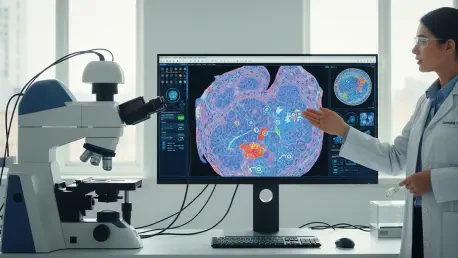
The current landscape of pharmaceutical innovation is defined by a paradox where technological potential is at an all-time high, yet the economic reality of drug discovery remains perilously unstable. Bringing a single molecule from the laboratory bench to the patient bedside now frequently exceeds