
The intricate dance between neural pathways and linguistic expression often collapses after a neurological event, leaving millions in a silent struggle that traditional medical practices have historically struggled to quantify with precision. With approximately 2 million Americans currently living with aphasia, the medical community faces a persistent gap in public awareness and a critical shortage of personalized therapeutic interventions. This convergence of neuroscience and artificial intelligence signals a paradigm shift, moving recovery away from generalized protocols toward high-precision, data-driven simulations.
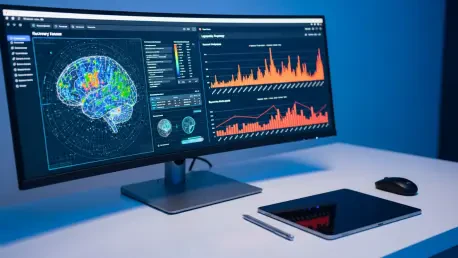
Recent breakthroughs have centered on the emergence of AI digital twins, specifically the BiLex framework, which replaces subjective clinical decisions with complex linguistic architecture. These simulations allow for the mapping of a patient’s cognitive state in a virtual environment, providing a blueprint for recovery that accounts for individual neurophysiological nuances. This evolution marks the transition from observational therapy to a predictive science that prioritizes the unique history of every patient.
The Current Landscape: AI-Driven Recovery Models
Statistical Adoption and Growth in Neuro-Rehabilitation
Data from the National Aphasia Association indicates that while the patient base is expansive, only a fraction of the population understands the profound impact of language impairment. The rising frequency of stroke-related disabilities, particularly ischemic strokes involving the left middle cerebral artery, has intensified the demand for advanced technological solutions. Consequently, healthcare providers are increasingly turning to computational frameworks that have successfully transitioned from theoretical research in high-impact journals to practical clinical applications.
This adoption reflects a broader trend where practitioners move away from anecdotal evidence in favor of measurable, brain-inspired metrics. By analyzing neural structures alongside language frequency, current models offer a granular view of impairment that was previously unattainable. The integration of these tech-driven models into rehabilitation clinics ensures that therapeutic intensity is matched with the actual biological capacity of the patient to recover.
Real-World Application: The BiLex Framework for Bilingual Aphasia
The BiLex AI model represents a significant departure from standard generative text tools, functioning instead as a brain-inspired simulation of linguistic processing. By creating a digital twin of a patient, the system incorporates comprehensive language history, specific impairment data, and neural structures to mirror an individual’s linguistic architecture. This allows the model to function as a personalized map, identifying how different languages share neural resources or maintain distinct control mechanisms within the brain.
This framework introduces the concept of safe experimentation, which is a foundational change in how therapy is prescribed. Clinicians can simulate various therapeutic outcomes on a digital replica before initiating any physical or cognitive treatment with the actual patient. This predictive capability reduces the trial-and-error phase of rehabilitation, ensuring that the chosen language of intervention is the one most likely to trigger widespread neural reorganization and recovery.
Expert Perspectives: The Transition to Precision Medicine
Medical experts have long debated the clinical dilemma of bilingualism, noting that traditional methods often falter when based on patient preference or the language limitations of the clinician. Subjective decision-making frequently overlooks the neurophysiological optimal path, leading to slower recovery rates. The current consensus among neurologists highlights the superiority of data-driven language selection over logistical convenience, emphasizing that the brain’s recovery trajectory is dictated by underlying neural connectivity rather than social or professional needs.
Analysis of double-blind randomized controlled trial findings has demonstrated that digital twin simulations provide a high degree of accuracy for individualized recovery paths. These trials revealed that while group-level trends might appear subtle, the precision at the individual level was unprecedented. This shift from one-size-fits-all rehabilitation protocols to evidence-based care has been facilitated by AI’s ability to process the immense complexity of the human brain, allowing clinicians to tailor interventions to the specific severity and history of the disorder.
Future Outlook: The Evolution of Predictive Rehabilitation
The potential for digital twins to simulate brain plasticity offers a long-term roadmap for recovery that adapts dynamically as the patient progresses through various stages of healing. Anticipated advancements in computational modeling will likely allow for more seamless integration into standard clinical practice, making these tools accessible beyond specialized research centers. As the technology matures, it will provide insights into how the brain compensates for damage, offering a clearer picture of long-term cognitive health.
However, the field faces challenges regarding the need for diverse linguistic datasets to ensure the models are equitable across different cultures and dialects. Ethical considerations also remain at the forefront, particularly concerning how AI-guided decisions are integrated into the human-centric relationship between a doctor and a patient. Addressing these hurdles will be essential for the broader application of AI in understanding the resilient and adaptive nature of the human brain across various neurological conditions.
Conclusion: A New Era for Aphasia Treatment
The integration of AI digital twins into rehabilitation workflows transformed aphasia treatment from a subjective process into a precise science. Medical professionals shifted toward utilizing a patient’s unique linguistic background as a core component of the recovery strategy, which maximized the potential for neural reorganization. This period was characterized by a fundamental change in how neurological recovery was perceived, moving from a reactive model to a proactive, predictive approach.
Clinicians and researchers established a new standard that embraced predictive technology as an indispensable tool in neurological care. The successful implementation of models like BiLex proved that data-driven insights could navigate the complexities of the human mind more effectively than traditional observations alone. These advancements paved the way for future innovations in precision medicine, ensuring that every individual received a recovery plan as unique as their own neural architecture.