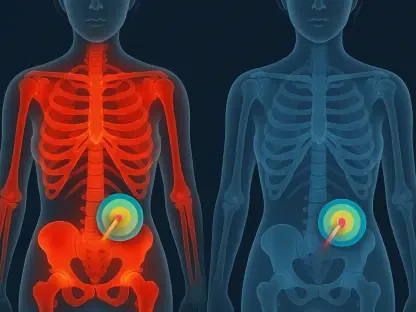

The intersection of high-resolution lipidomics and advanced computational modeling has transformed our understanding of how fatty acids dictate the structural integrity and functional resilience of the human brain and skin. As the global demographic shifts toward an aging population in 2026, the demand for interventions that mitigate cognitive decline and dermal degradation has reached an unprecedented peak. Both the brain and the skin share a unique biological vulnerability due to their high lipid content, which serves as a primary target for environmental stressors like ultraviolet radiation and urban pollutants. These lipids are not merely passive structural components but active mediators in cellular signaling and inflammatory responses. However, the sheer volume of data generated by modern mass spectrometry has often overwhelmed traditional analytical frameworks, leaving a gap between raw molecular readings and meaningful therapeutic applications. Bridging this divide requires the sophisticated integration of bioinformatics to decode the lipid signatures that define health and disease states.
Technological Breakthroughs: Advanced Computational Frameworks in Lipidomics
Data Processing: Transforming Raw Information into Biological Insights
Navigating the complex landscape of the lipidome requires more than basic statistical tools; it demands multivariate data analysis capable of identifying patterns across thousands of distinct molecular species. In the current scientific environment, researchers are moving away from examining individual lipids in isolation and toward a systems biology approach that considers the entire lipid network. This shift is essential because the functional state of a cell is defined by the relative proportions and interactions of various phospholipids, sphingolipids, and sterols. By utilizing machine learning algorithms and pathway-based tools, bioinformatics allows for the detection of subtle shifts in lipid metabolism that precede clinical symptoms of neurodegeneration. This predictive capability is vital for early intervention, as it enables the identification of specific biomarkers that signal a breakdown in homeostatic mechanisms. These digital frameworks help in visualizing the metabolic pathways most susceptible to oxidative damage, providing a blueprint for targeted nutritional support.
Network Analysis: Mapping the Physiological Nexus between Brain and Skin
The integration of lipidomic profiles with other “omics” datasets, such as proteomics and transcriptomics, represents a significant frontier in understanding the physiological nexus between the brain and skin. Network modeling serves as a bridge, allowing scientists to map how environmental triggers on the skin might correlate with systemic changes affecting neurological health. For instance, the degradation of the skin barrier is often mirrored by inflammatory markers that influence blood-brain barrier permeability. Bioinformatics platforms now provide the necessary processing power to handle these multilayered datasets, facilitating the discovery of cross-organ signaling molecules. These advanced models simulate biological scenarios to predict how specific lipid-based interventions will perform in real-world conditions. This computational foresight reduces the reliance on traditional trial-and-error methods, accelerating the development of precision health strategies. By mapping the intricate dance between lipids and proteins, these tools offer a comprehensive view of how cellular aging can be delayed through molecular stabilization.
Marine Innovation: Leveraging Bioactives for Targeted Health
Bioactive Discovery: The Role of Marine Lipids in Cellular Defense
The exploration of marine-derived bioactives has revealed a treasure trove of specialized lipids that offer unique benefits for both cognitive function and skin vitality. Natural resources such as seaweeds and sea cucumbers are particularly rich in omega-3 fatty acids, glycolipids, and betaine lipids, which possess potent antioxidant properties. These compounds are of particular interest because they evolved to protect marine organisms from harsh environmental conditions, such as high salinity. When applied to human health, these marine lipids help stabilize cellular membranes against the oxidative stress that characterizes both skin aging and neurodegeneration. The challenge lies in the functional characterization of these molecules to ensure they reach their biological targets. Bioinformatics plays a pivotal role here, helping researchers predict the bioavailability and metabolic fate of these marine compounds once they enter the human body. This level of detail is necessary to transform raw marine extracts into high-efficacy nootropic and cosmeceutical products that meet the rigorous standards of modern evidence-based medicine.
Strategic Implementation: Personalized Wellness and Sustainable Extraction
The integration of bioinformatics with lipidomics successfully established a roadmap for translating complex molecular data into tangible health benefits for the brain and skin. To move forward, stakeholders in the biotech and cosmetic sectors prioritized the adoption of standardized data formats to facilitate smoother collaboration. Researchers focused on refining sustainable extraction methods for marine bioactives, ensuring that the harvest of seaweeds and sea cucumbers did not compromise oceanic biodiversity. Digital infrastructure was upgraded to support real-time monitoring, which allowed for the creation of personalized wellness plans based on unique lipidomic signatures. These advancements paved the way for a new era of precision care, where the prevention of age-related decline became a proactive process. By leveraging the predictive power of computational models, the scientific community developed resilient formulations that targeted the root causes of cellular degradation. This strategic shift toward integrative bioinformatics ensured that the potential of lipidomics was fully realized.