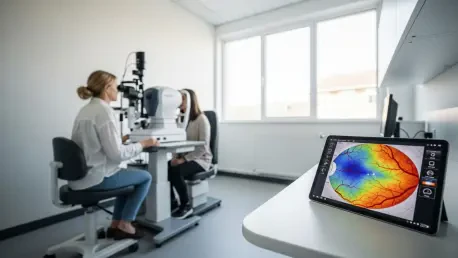
While the human eye has long been revered as the window to the soul, contemporary medical breakthroughs are establishing that its intricate structures provide an even more profound map of a patient’s cognitive longevity. Traditionally, a diagnosis of Alzheimer’s disease arrived far too late, often

The sudden exposure of five million sensitive patient files, including detailed psychiatric evaluations and genetic markers, has forced a critical re-evaluation of how international regulatory bodies enforce digital privacy standards within the healthcare sector. When the specific data exposure was
The modern biological landscape has shifted from laborious laboratory benchwork to a sophisticated digital frontier where the primary challenge lies in interpreting the massive influx of genomic data generated by high-throughput sequencing technologies. This transformation signifies a departure
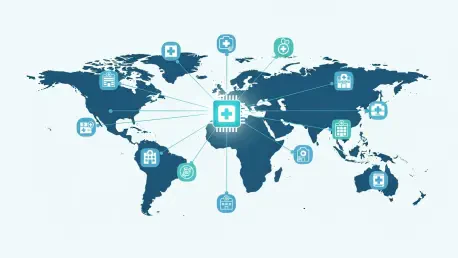
The transition of large language models from controlled laboratory environments to high-stakes clinical settings marks a transformative era where algorithmic predictions are finally being tested against the complex reality of human biology. This shift represents a move toward verifying if

Modern workplace dynamics often necessitate a delicate balance between administrative efficiency and the stringent protection of individual privacy rights under federal mandates. When an HR professional asks a prospective or current employee about their family medical history, they are often

The healthcare sector is currently caught in a dangerous pincer movement between aging legacy infrastructure and the hyper-efficient automation of modern cybercrime. Hospitals are unique because they cannot simply shut down; downtime translates directly into patient morbidity. Criminal syndicates