
Pancreatic ductal adenocarcinoma remains one of the most formidable challenges in modern oncology, primarily because its symptoms are often masked until the disease has reached an advanced and nearly untreatable stage. For several decades, the medical community has utilized carbohydrate antigen

Ovarian cancer continues to represent a formidable obstacle in gynecologic oncology, largely because the disease is frequently detected at advanced stages and tends to develop rapid resistance to standard therapeutic interventions. At the core of this malignancy’s formidable resilience is the TP53

The landscape of acute myeloid leukemia treatment is undergoing a radical transformation as the industry pivots from hospital-bound infusions toward the convenience of at-home oral regimens. This transition is not merely a change in delivery but a fundamental shift in how oncologists manage
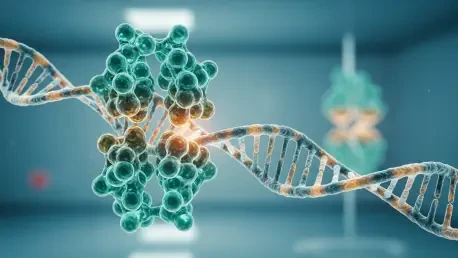
The long-held biological dogma that gene-editing machinery must rely on fragile RNA strands to find its target has finally been dismantled by a pioneering shift toward DNA-guided navigation. For years, the scientific community accepted the inherent instability of RNA as a necessary trade-off for

The global demographic shift toward an aging population presents a massive challenge for healthcare systems tasked with maintaining functional independence for millions of people. Proactive screening for Early Mobility Limitations (EMLs) has emerged as a critical best practice to prevent the sudden

Modern medical science is increasingly looking toward the most aggressive cancer treatments as a potential solution for the chronic, debilitating nature of systemic autoimmune diseases. A pioneering clinical breakthrough at the University Hospital Erlangen in Germany has demonstrated that Chimeric