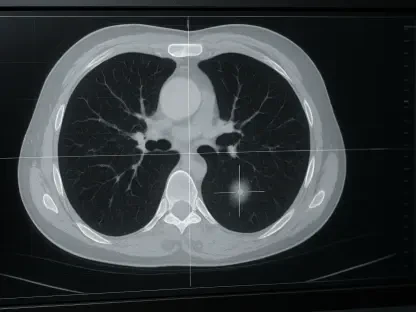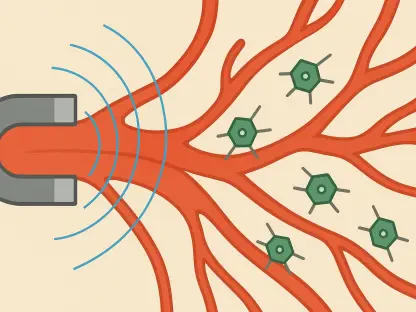

Patients diagnosed with metastatic colorectal cancer carrying the BRAF V600E mutation have long navigated a clinical landscape where conventional chemotherapy often fails to provide lasting control over their disease. This specific genetic signature, found in approximately ten percent of metastatic
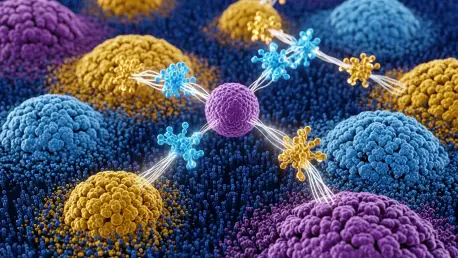
The pharmaceutical industry has long grappled with the high failure rates of clinical trials that often stem from a fundamental lack of understanding regarding the intricate spatial relationships within human tissues. While genomic and transcriptomic profiling provided a foundational blueprint for

The landscape of regenerative medicine has reached a critical juncture where the promise of engineered immune cells must finally overcome the logistical barriers of the ivory tower. For over a decade, chimeric antigen receptor T-cell therapies represented a double-edged sword: they offered

The recent publication of a comprehensive feline cancer genomic atlas provides an unprecedented view into the molecular commonalities that link domestic cats and humans, offering transformative insights into how oncogenic processes evolve across mammalian species. This mapping effort involved the

For decades, the prospect of life-saving lung cancer surgery was often held hostage by a rigid mandate requiring patients to achieve thirty days of nicotine abstinence before entering the operating room. This historical gatekeeping was rooted in the fear that active smoking would lead to

The daunting reality of high-risk localized prostate cancer is that surgical intervention often feels like an incomplete solution, especially when half of patients face a biological recurrence within just five years of their primary treatment. This aggressive form of the disease, which accounts for